
Leah Freundlich
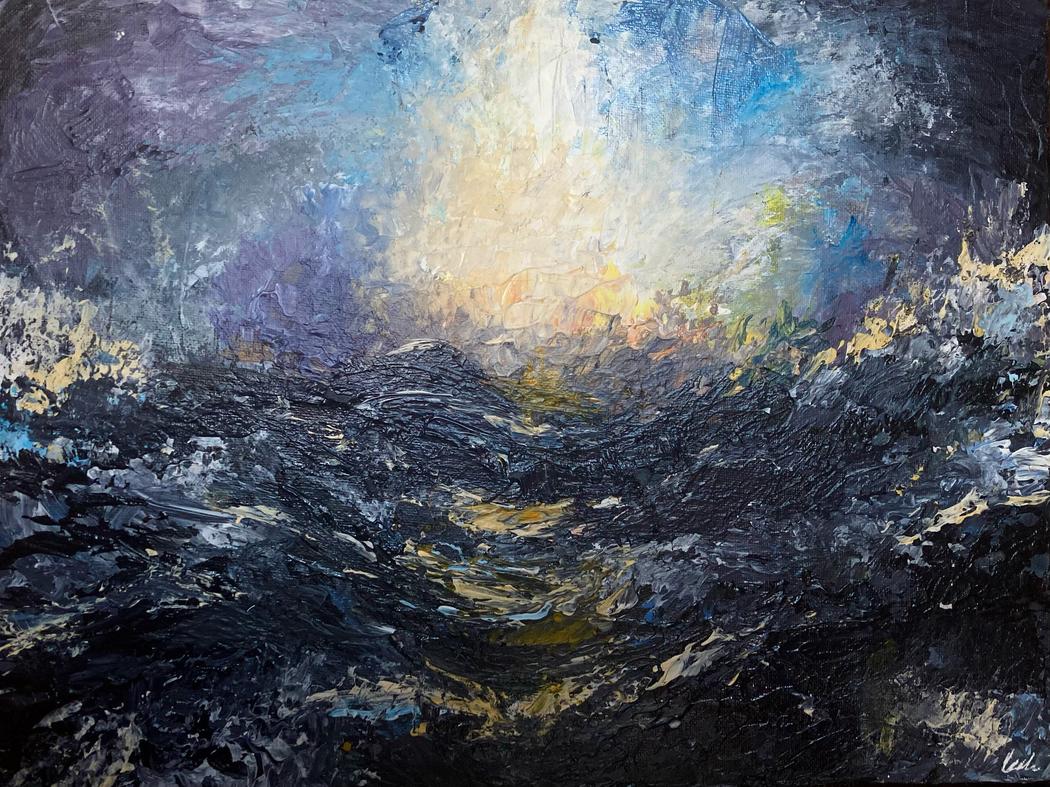 Leah Freundlich | Discord At Sea
Your artist statement speaks about “quiet moods” and “stillness.” How do you translate such intangible emotions into visual form?
For me, “quiet moods” and “stillness” translate into visual form through a combination of strategic planning, layering, and atmosphere. I try to invoke emotions using subtle shifts in color, light, and texture to suggest a feeling rather than force it.
What draws you most to autumn landscapes — their color palette, atmosphere, or symbolism?
I’ve always loved the season, with its colors and wonderful texture. There’s something energizing about the way the world shifts during that time of year. Every Autumn is like a new beginning, a new hope. I think there’s a quiet optimism that comes with the season, and I think that feeling of positivity is what I’m constantly trying to infuse into my work.
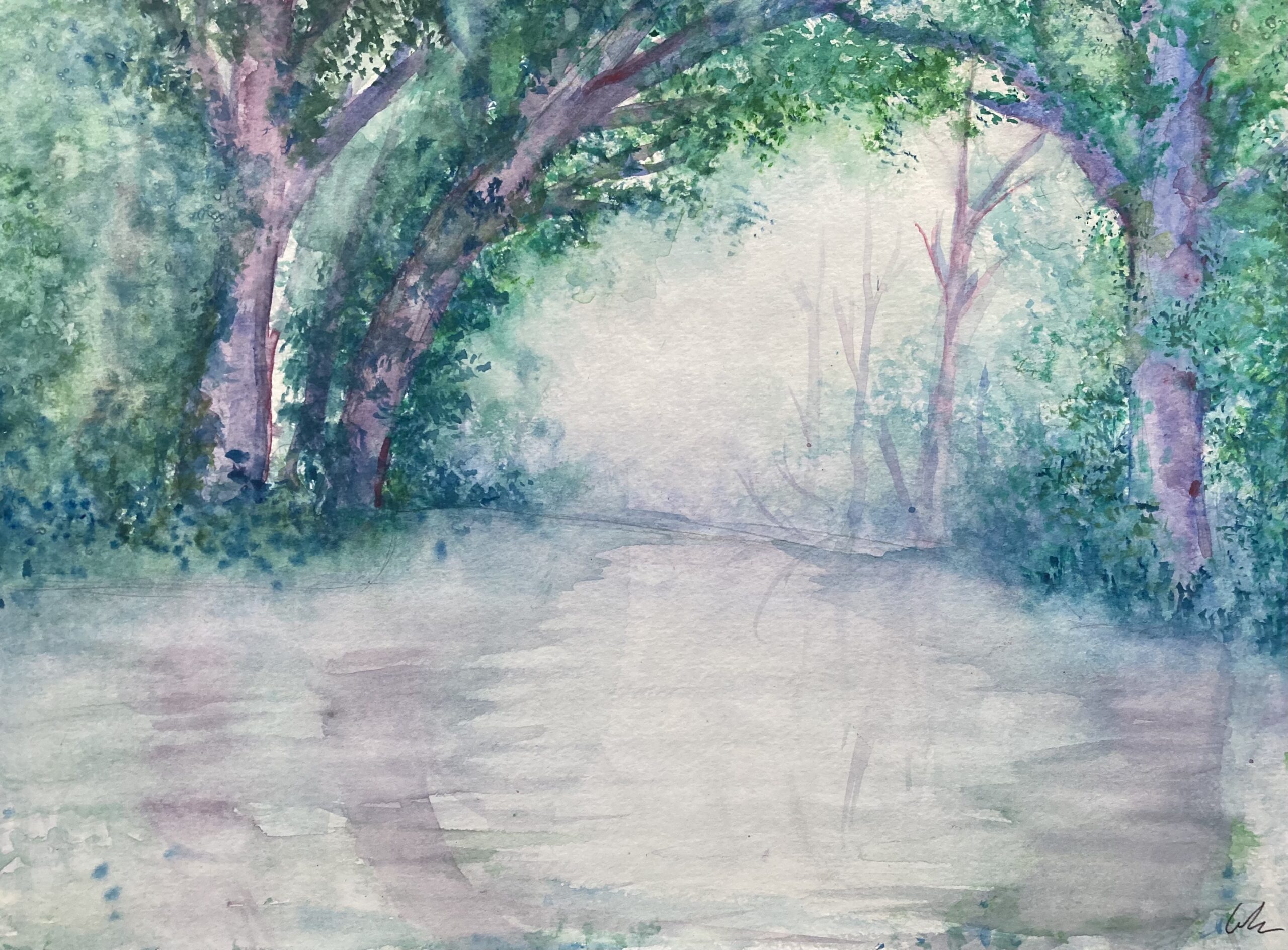 Leah Freundlich | Mist In The Morning
You mention working in acrylics to achieve an oil-like depth. What challenges or discoveries did this technique bring?
It definitely brought many challenges at first! Acrylics dry so quickly, I had to rethink how to layer the colors and subtle tonal shifts (like you can achieve with oils). It forced me to be precise with every brushstroke. I pushed myself, since I usually lose patience and stick to the mediums I feel comfortable with. It also taught me to trust my instinct when it comes to creating, because there were times I had to react intuitively and not think about it so much.
How does light function in your compositions — is it a purely visual tool or an emotional language as well?
Light in my compositions is far more than just a visual element. It’s an emotional language that shapes the entire mood of the piece. I’ve always been drawn to Impressionism, especially the masterful use of light. In my own work, light not only directs the eye and creates depth, but it also serves as the emotional anchor. Soft, understated light can suggest calmness and carry the sense of stillness I hope the viewer experiences. As an expressive tool, it becomes a way of revealing the inner tone of the work.
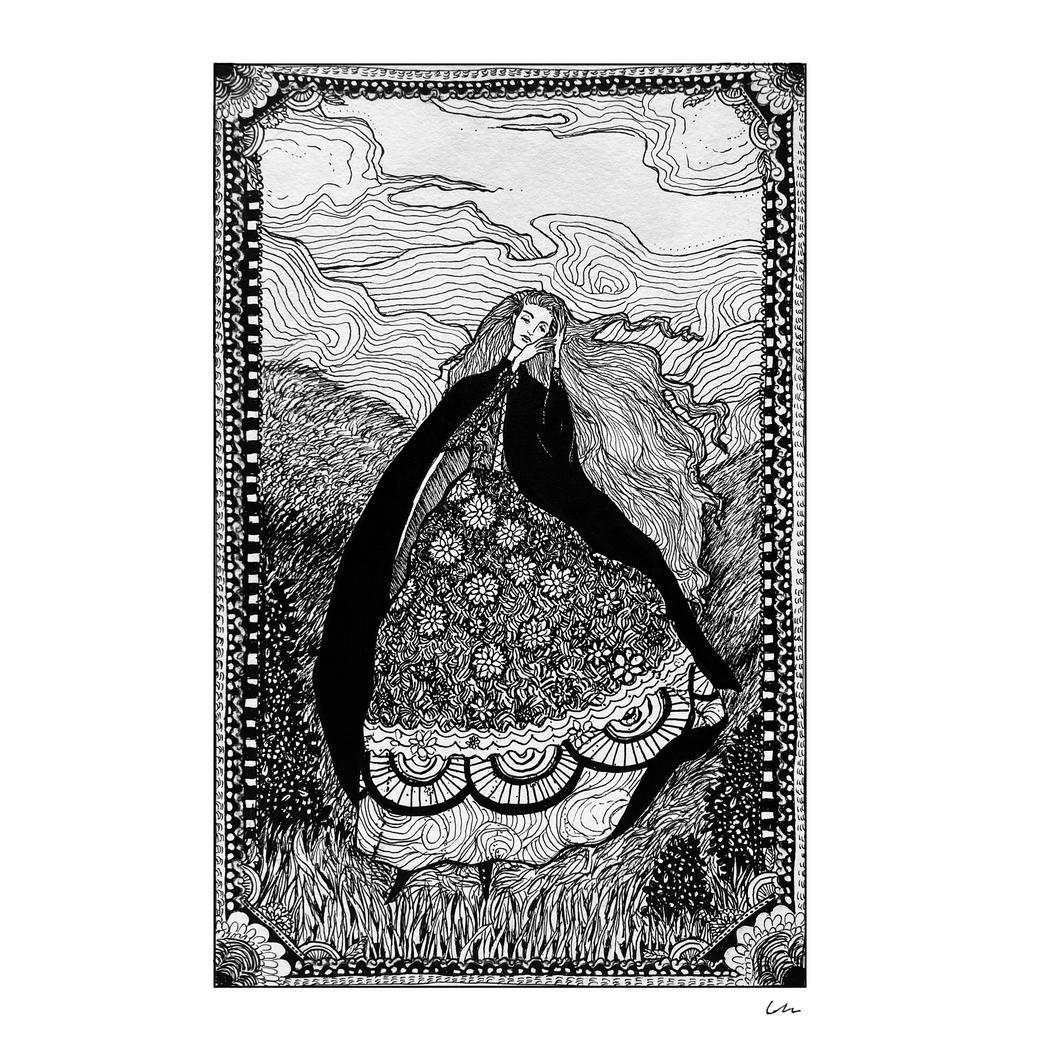 Leah Freundlich | Deja Vu
Could you describe your creative process from the first sketch or idea to the final brushstroke?
I always begin by focusing on the feeling I want to evoke before moving into any technical sketching. This includes any themes that I want to be present, or if I have a specific message I hope to communicate. I prefer working from my own photographic references because they already hold a personal connection and a sense of place for me. From there, I’ll experiment, shifting details, adjusting composition, until the image aligns with my vision. I always listen to music when I paint. I find that it just helps turn my logical brain off and allows me to be completely present. Especially when I’m painting over a long period of time. The music helps shift me back into the right mode, so it feels like I never left.
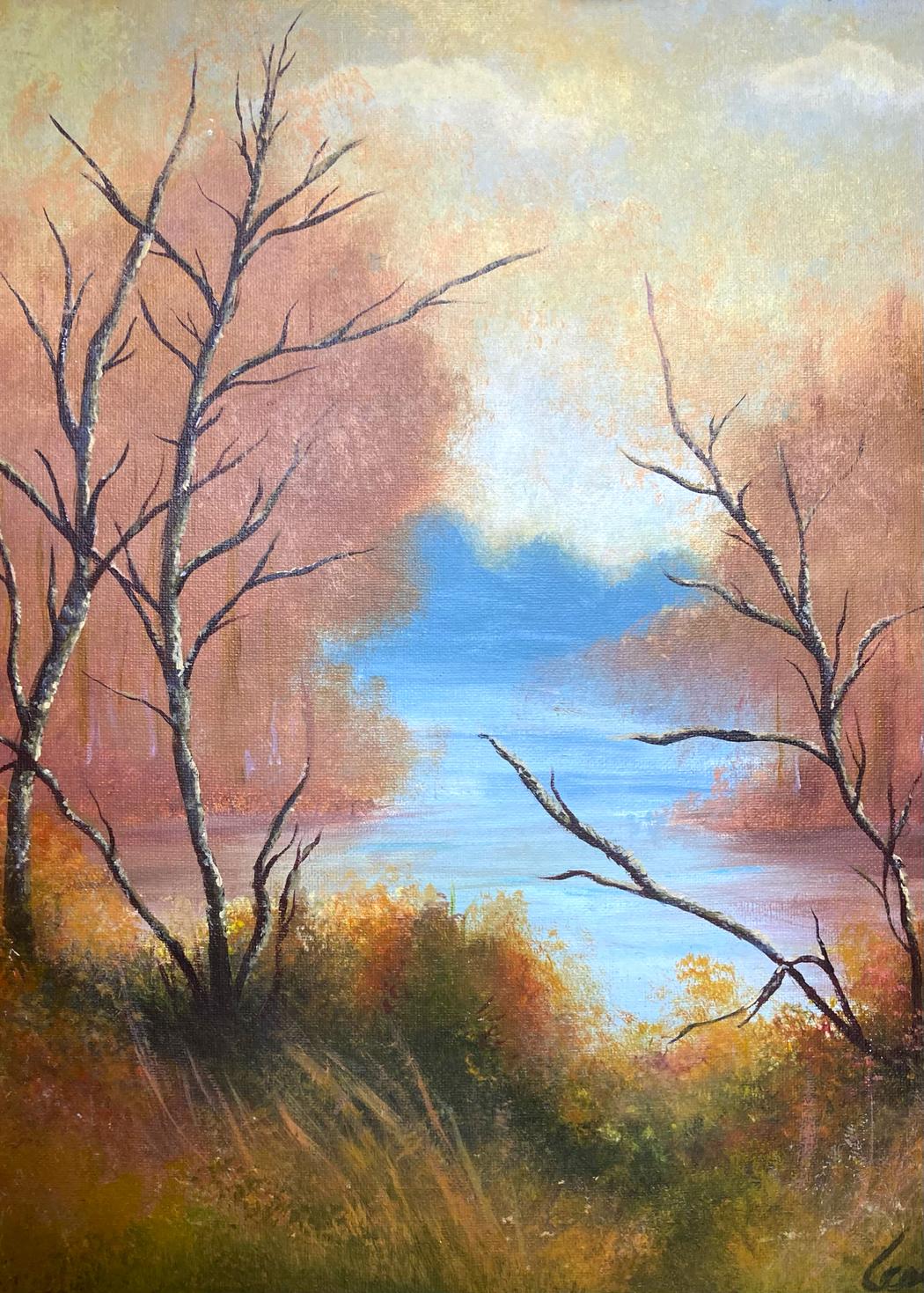 Leah Freundlich | Autumn Leaves
In what ways does texture influence the emotional tone of your work?
It took me a while to figure out the kind of texture I like to work with, and I still experiment with different mediums. I even went through a phase of layering acrylic with plaster to get that three-dimensional look (as you can see in Discord at Sea). Using a dry-brush method with acrylic paint allows more subtle shifts in texture, and I’m drawn to the softer effect it creates. I think when executed properly, texture can shape the emotional temperature of a piece. Softer textures are naturally calmer, while more pronounced textures can introduce tension or movement.
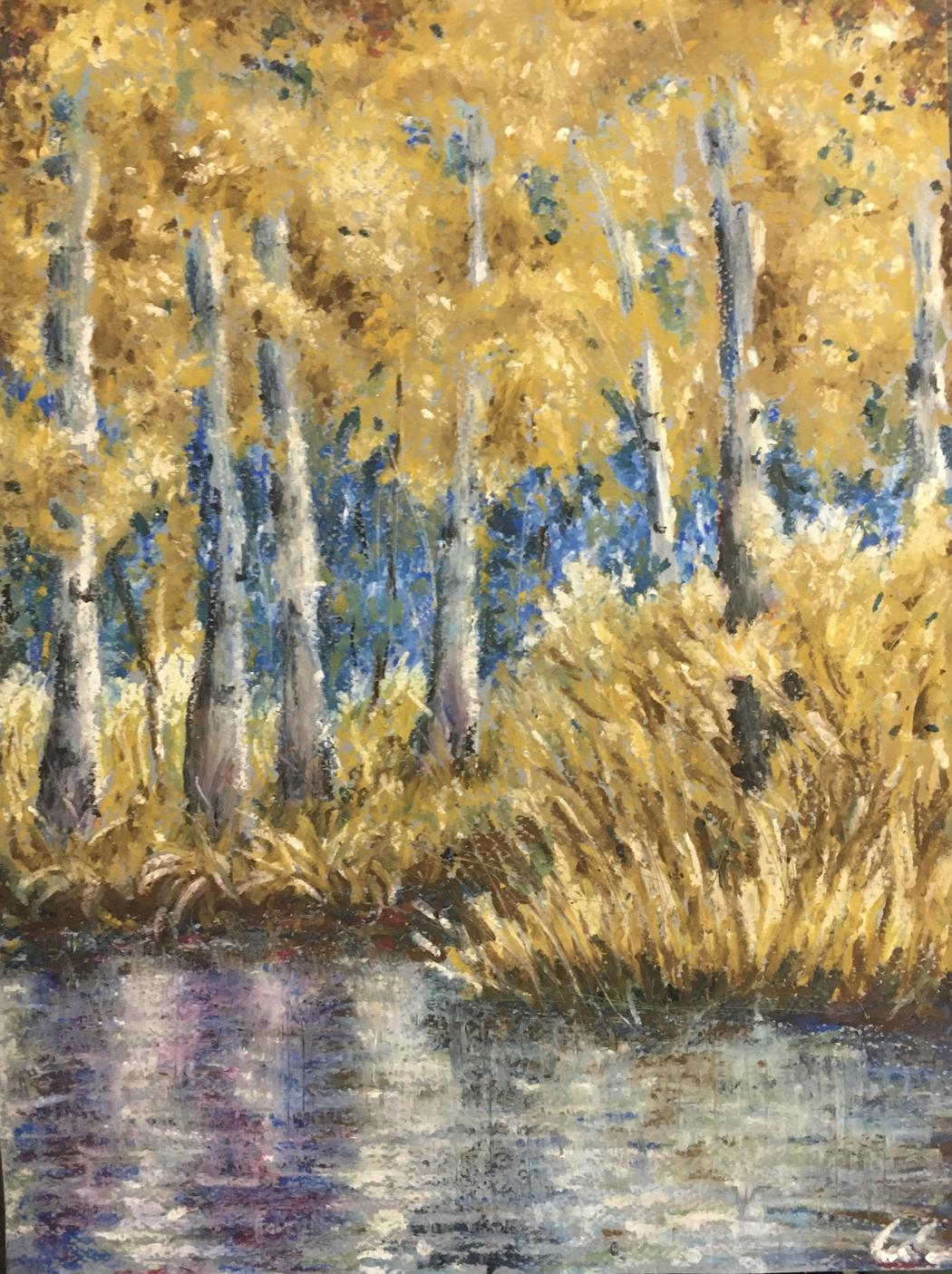 Leah Freundlich | Autumn Birches
Are there specific painters, movements, or natural places that have shaped your aesthetic vision?
Absolutely. The Impressionists, especially Monet, have been a foundational influence on my work. Their sensitivity to light, atmosphere, and the emotional resonance of color deeply shaped how I think about painting. Tyrus Wong is a major inspiration as well, with his concept art for Bambi being a masterclass in tone and mood. Animation and film have always fueled my imagination in that way. The intentionality of movement and color in animated storytelling, like in Eyvind Earle’s work for Sleeping Beauty and his later landscapes, constantly inspires me. Kay Nielsen’s ability to convey narrative in a single image continues to influence my own illustrations and drawing style. With so many artists and mediums that inspire me, I feel like I’m always learning and evolving.
Leave a Reply
You must be logged in to post a comment.