
Gloria Manoka
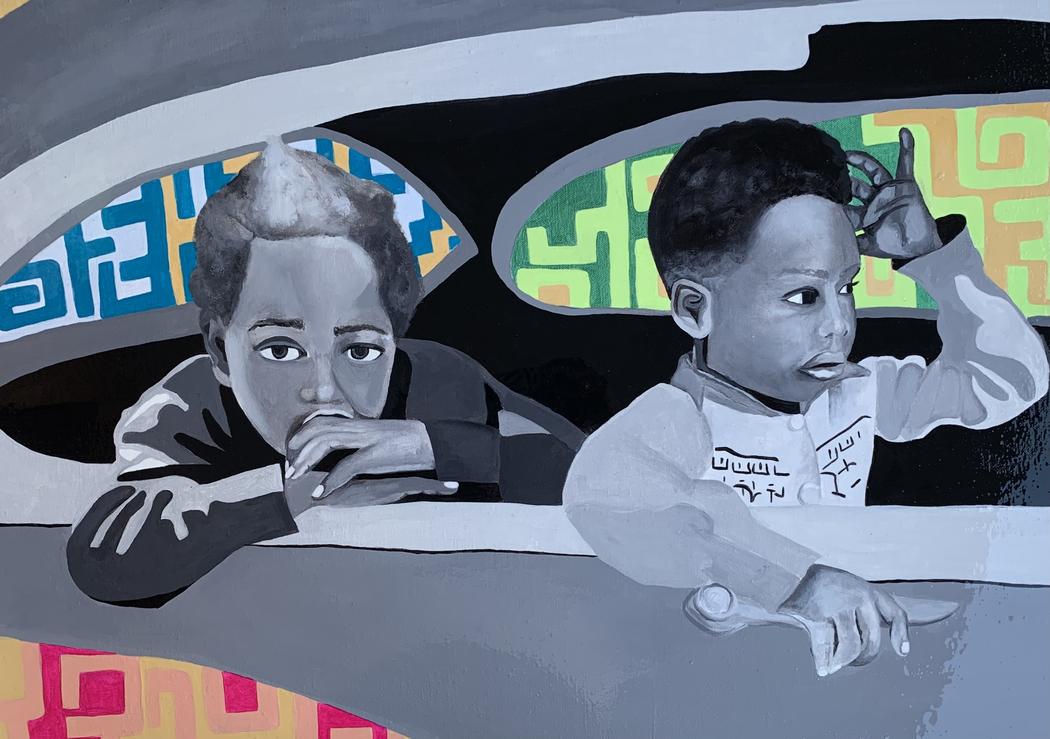
Your work bridges your Congolese heritage, French culture, and experiences in the United States. How do these three identities coexist and influence each other in your artistic practice?
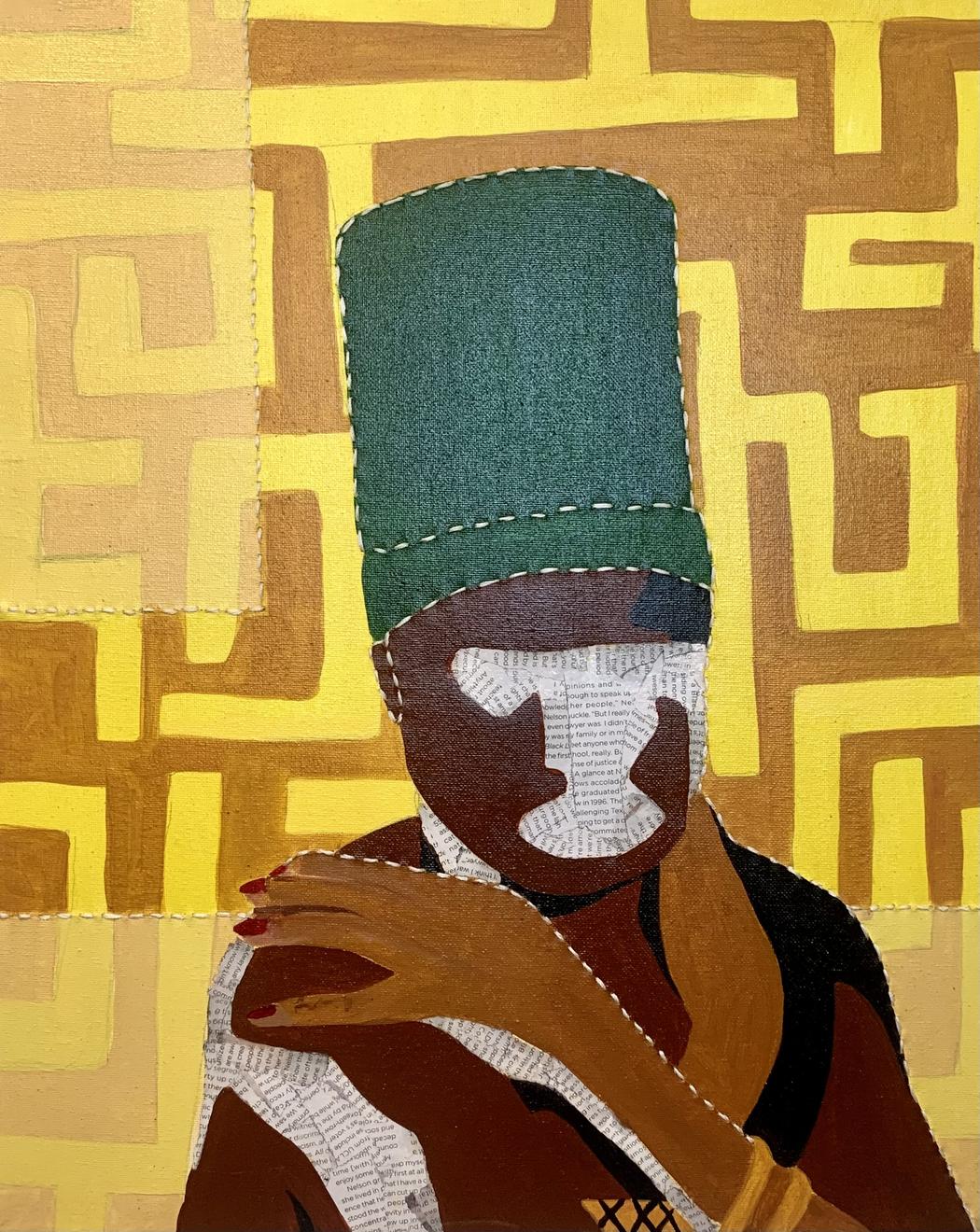
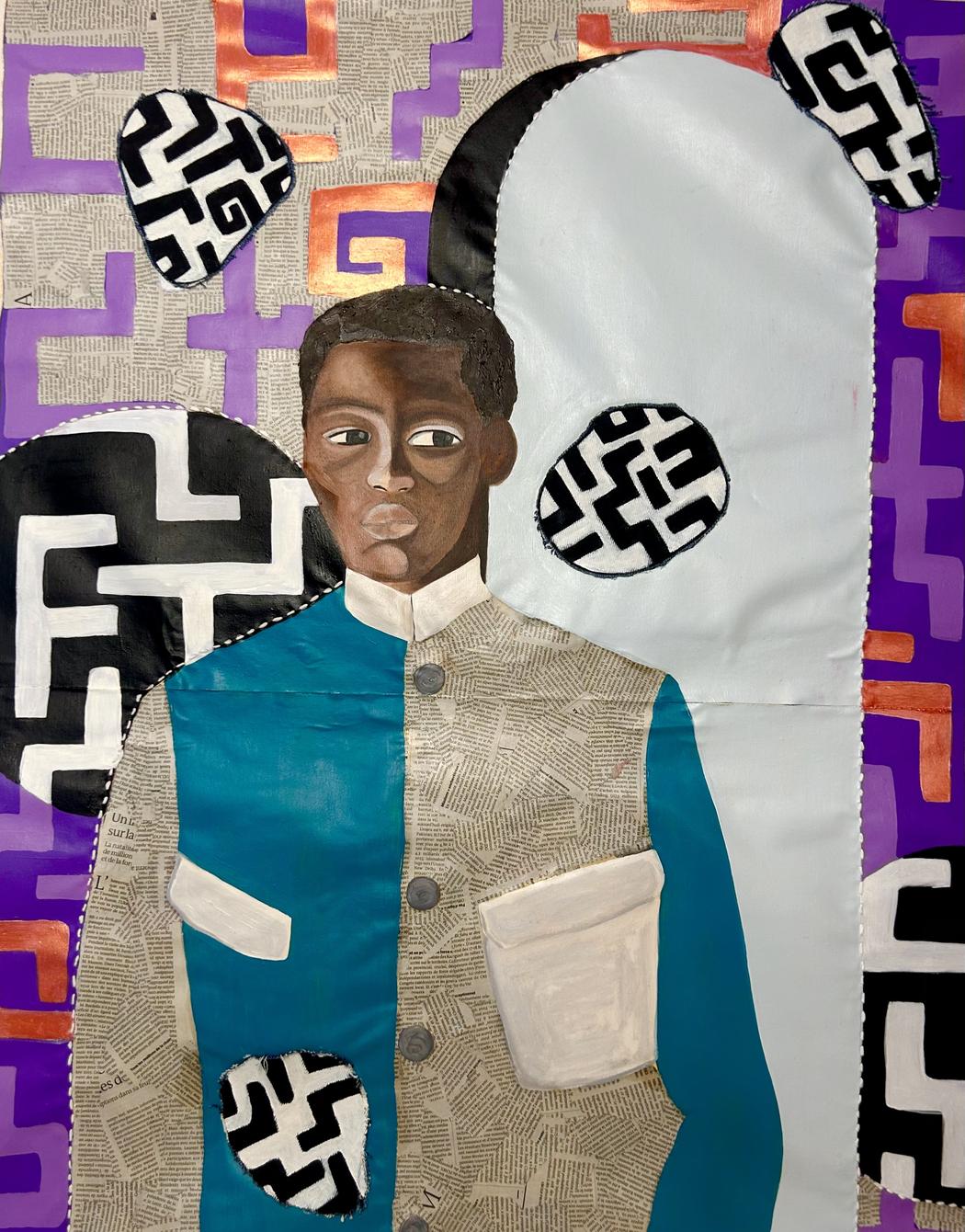
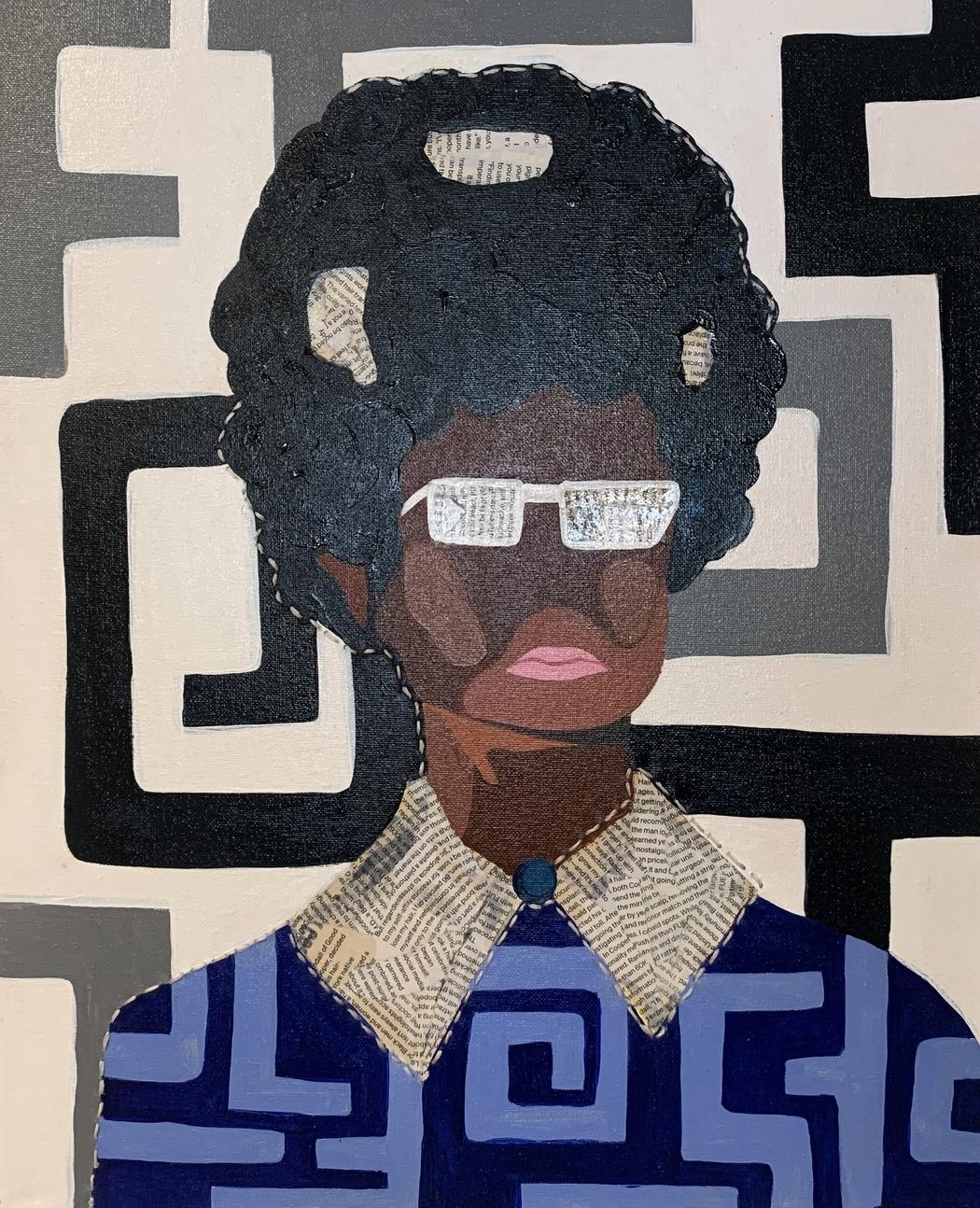
My Congolese heritage deeply influences the vibrant colors and intricate patterns that shape my creative vision, reflecting the richness of African traditions. At the same time, my American side is inspired by the way African American communities have embraced self-worth and cultural pride, motivating me to uplift and celebrate my own community in a similar way. The French culture adds another dimension to my identity, guiding me toward fashion, refinement, and an appreciation for elegance in everyday life. Together, these influences intertwine to form a unique perspective that blends heritage, empowerment, and sophistication into everything I create.
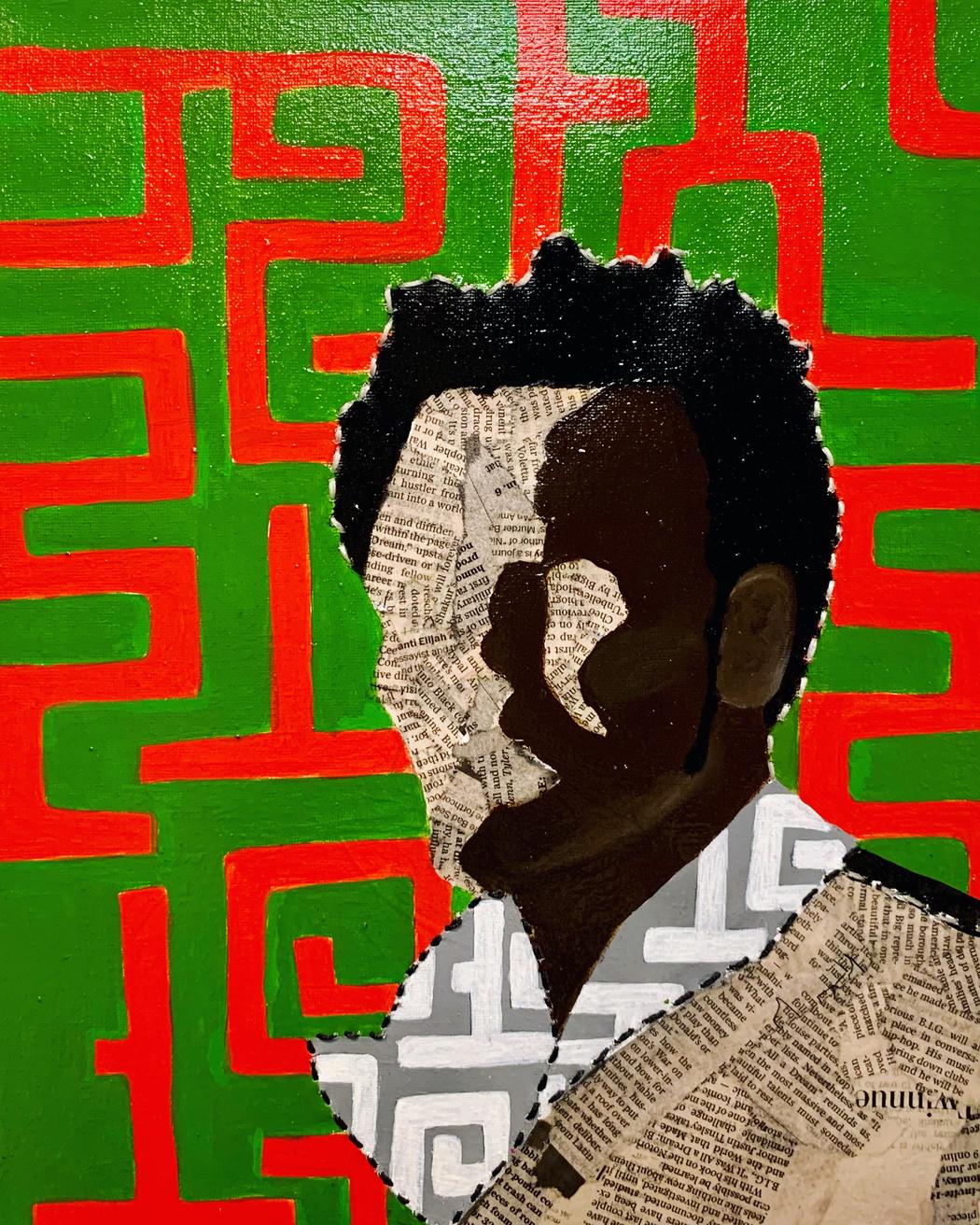
How did your studies at L’Ecole des Arts de La Sorbonne contribute to the artistic language you use today?
My studies at L’Ecole des Arts de La Sorbonne allowed me to strengthen and affirm my own artistic style. Rather than feeling the need to imitate other artists, I learned to trust my individuality and creative instincts. The experience gave me confidence that my personal approach carries more authenticity than trying to replicate someone else’s vision. Ultimately, it helped me embrace the idea that my originality is my greatest strength in developing my artistic language.
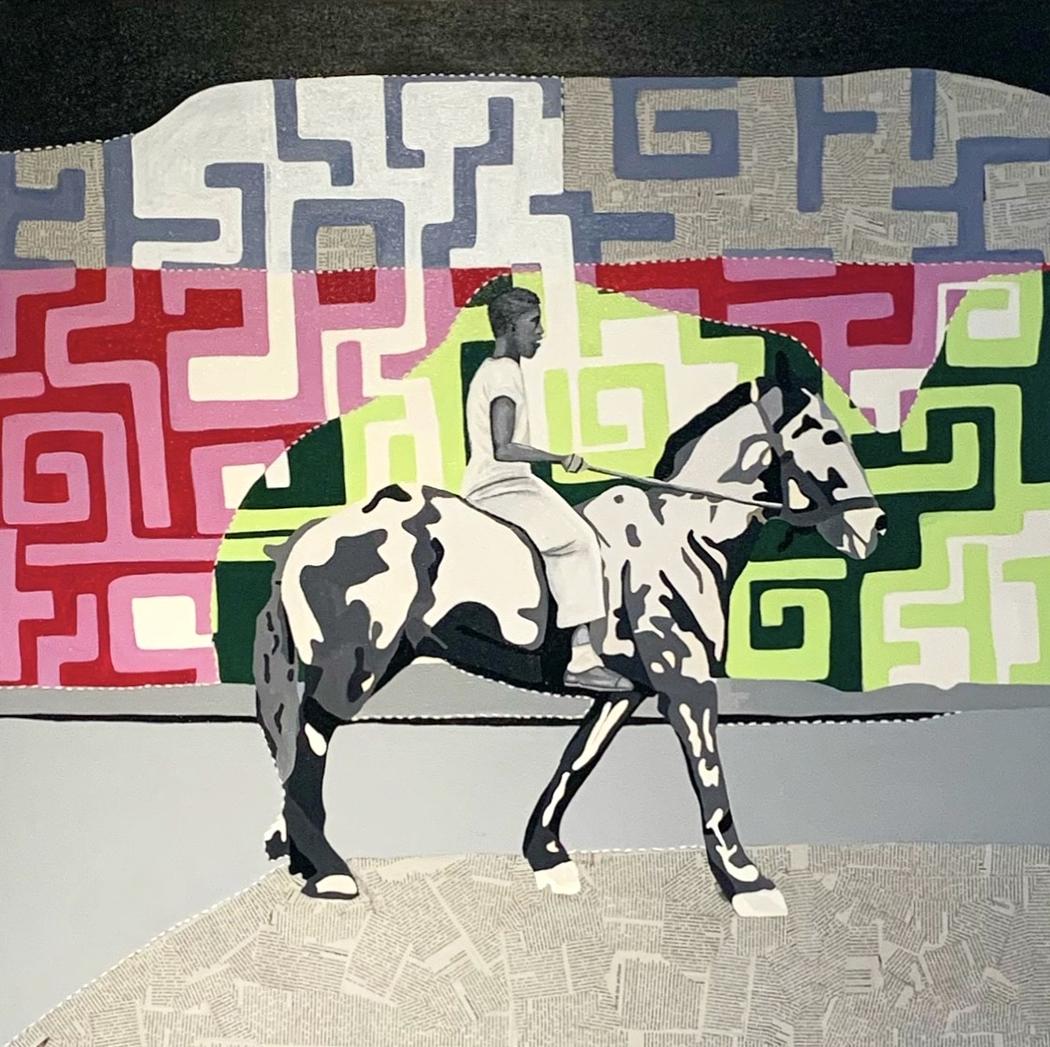
When bringing past visual memories into the present, what emotions or narratives are you hoping to evoke in contemporary viewers?
When I bring past visual memories into the present, my goal is to create a bridge between historical narratives and contemporary experiences. By connecting these stories, I hope to offer viewers a deeper understanding of how the past shapes our present. At the same time, I want to inspire a renewed sense of harmony with nature, encouraging people to reconnect with its beauty and wisdom. Through this dialogue between time and environment, I aim to evoke both reflection and a feeling of belonging.
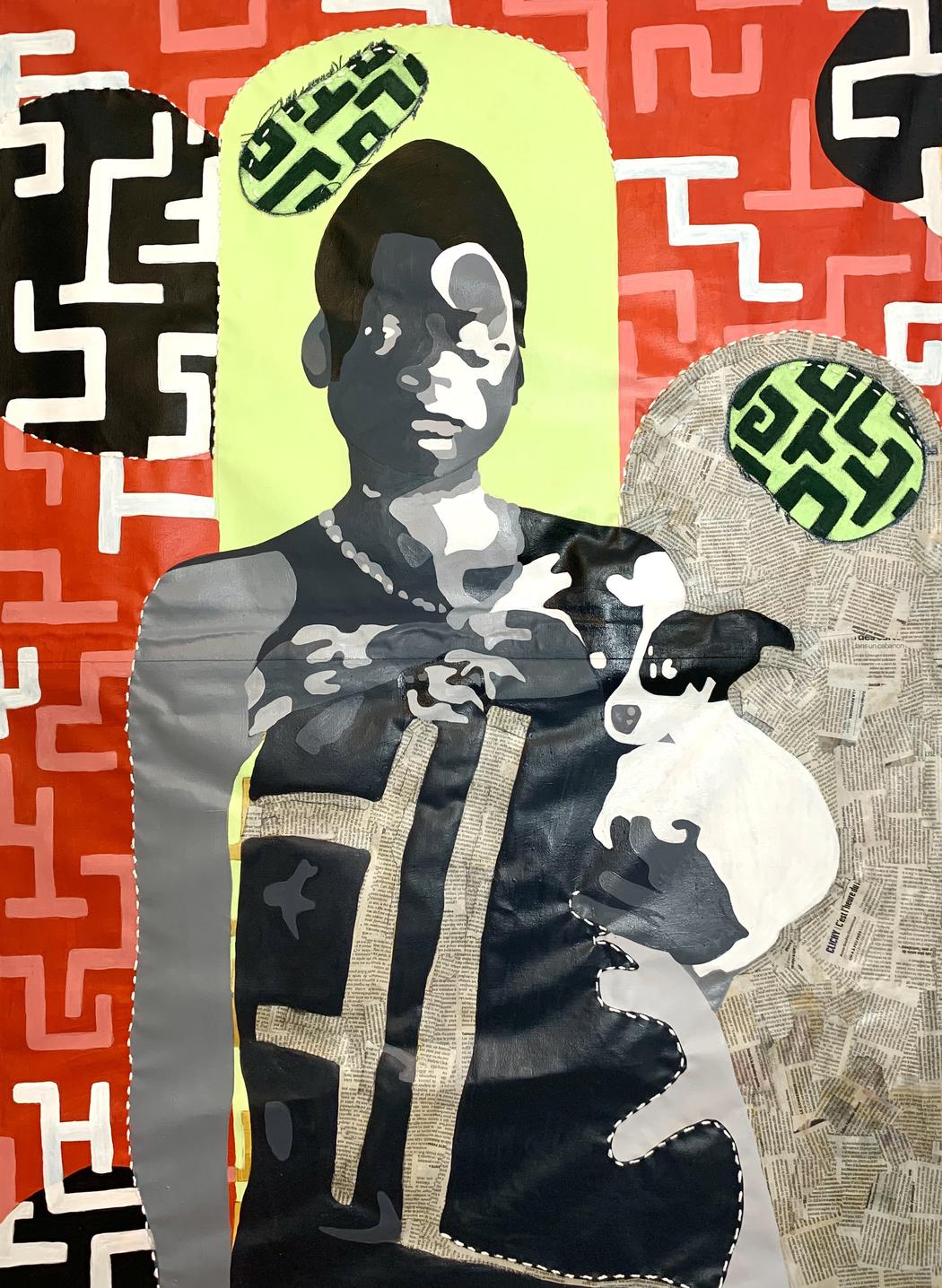
Your works are filled with vibrant colors. What role does color play in building meaning, emotion, or historical reference within your pieces?
For me, colors function much like musical notes, each carrying its own vibration and rhythm. They infuse my paintings with energy, transforming them into living compositions that resonate with viewers. Beyond their aesthetic appeal, colors help me express emotions, from joy and hope to memory and reflection. They also serve as a bridge to cultural and historical references, allowing me to honor traditions while speaking to the present. In this way, color becomes both a language and a pulse, breathing life into my artistic expression.
What motivated your decision to move to the United States after finishing your studies in France, and how has this transition affected your work?
My decision to move to the United States after completing my studies in France was driven by several aspirations. I wanted to learn English and immerse myself in a new cultural environment that could expand my perspective. I was also motivated by the desire to connect with the environment of artists who inspire me, such as Basquiat, and to engage with the communities that shaped their art. This transition has allowed me to enlarge my creativity and explore new directions in my work. Most importantly, it has given me the opportunity to see how my art resonates with people in the United States, adding new layers of meaning to my practice.
Living between France and the USA, how do you navigate the differences in artistic environments, audiences, and cultural expectations?
Living between France and the United States is not always easy, but it gives me the chance to blend different cultural influences into my own artistic language. I draw from French traditions, American vitality, and my Congolese heritage to create a style that feels unique and personal. Rather than limiting myself to one environment, I enjoy stepping outside the box and challenging conventional expectations. This freedom allows me to explore new ideas without being confined by borders or cultural boundaries. I see myself as an artist for whom the sky is only the starting point, and whose creativity knows no territorial boundaries. In the end, navigating these differences enriches my creativity and helps me build bridges across cultures.
If there is one message you hope viewers take from your work, what would it be?
My art is meant to show that creativity is not only a human gift but also a reflection of the Great Creator who inspires us to make. Through this connection, I hope to encourage people to rediscover harmony with themselves, with others, and with the divine source of creation. Each piece I make carries the message that even in difficult times, light and renewal are possible. Ultimately, I want viewers to feel that art can be a path toward faith, resilience, and unity.
Leave a Reply
You must be logged in to post a comment.