
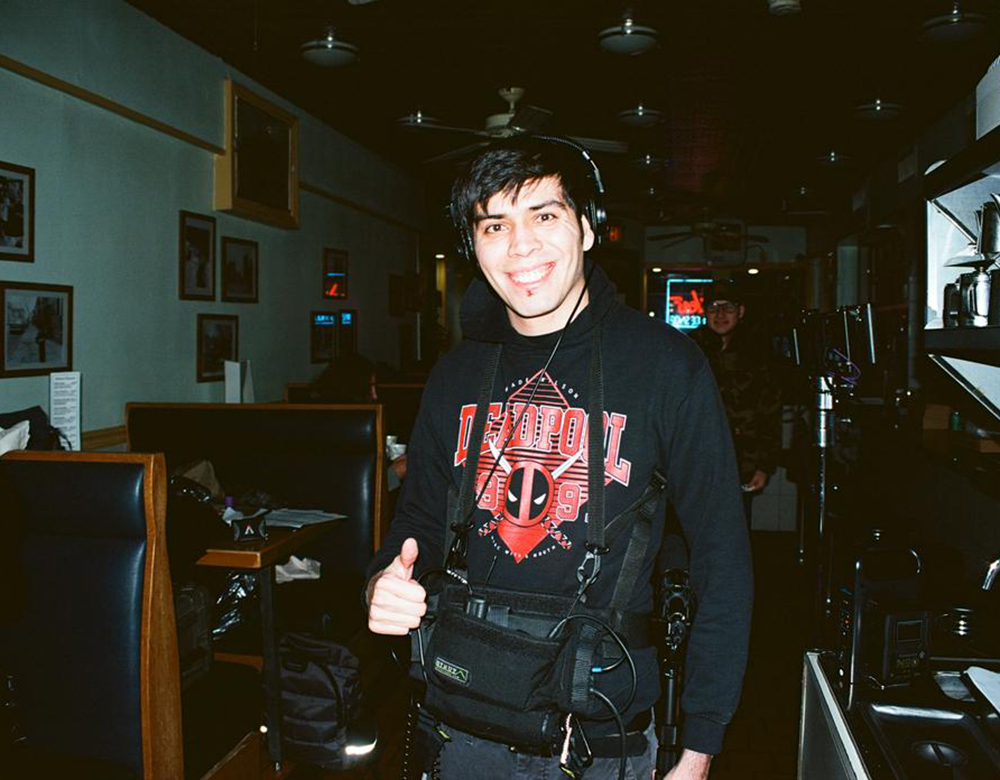
Ricardo Ferreira
What first inspired you to pursue a career in filmmaking?
When I was a teenager, I thought that I wanted to be a game designer. I was really into video games but I quietly realized that programming was not for me. What I actually liked was telling stories. For me, filmmaking is a way to show your thoughts, ideas, and experiences to the audience. It is one of the few careers when you can actually express yourself in such unique ways and at the same time it gives you the freedom to tell a compelling story at the same time. But also, I´m not going to lie, I hate wearing suits. I was looking for a career that didn’t require me to wear a suit every day.
How has your education at the New York Film Academy influenced your professional approach?
Before I went to the New York Film Academy, I did not know a lot about filmmaking. It definitely helped me create a basic understanding of what filmmaking is and use the knowledge learnt in NYFA to create my own stories. A good thing about the institution is that they don´t just focus on the main career that everyone wants, like directing or screenwriting, but also on other positions like gaffing or sound mixing. While I was studying there, I found my passion for sound. They helped me become a professional: how to talk with crew members in a professional way, understand that every position has its own role in a film production, and how to properly pitch my ideas to people. It helped me understand that the real professionals are not those who have the best gear with the latest technology, but those who can put their own touch during the filming of the shoot.
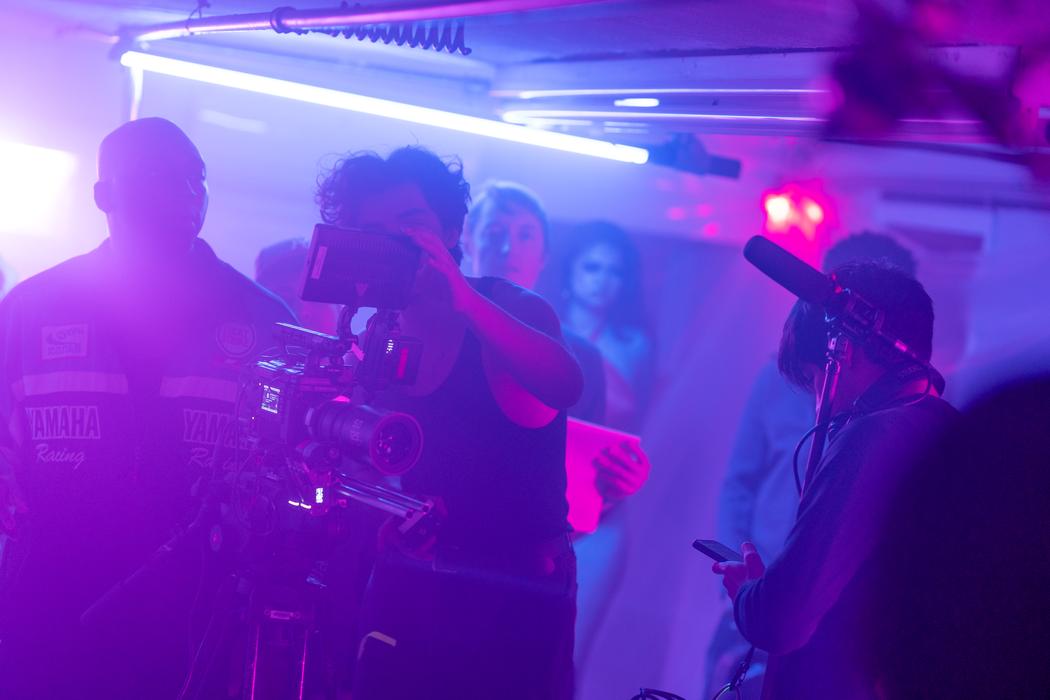
What do you enjoy most about working as a production sound mixer?
I love the fact that I am in my own department. Most people in the filmmaking industry don’t really understand sound, so they leave a lot of the sound recording job to the sound department. It is a big task, but it is a job I personally enjoy a lot. So, I have a lot of freedom when it comes doing sound. At the beginning of becoming a sound mixer, I was really overwhelmed by hearing every single small detail all the time while filming, but as I got used to it, I even learnt to appreciate it to hear those little sounds that we usually don´t stop and listen to.
How does your understanding of sound influence the way you approach directing and visual storytelling?
It helps a lot, to be honest with you. A lot of times, when I am writing a script, even without really thinking about it, I already know the kind of sound effects that I would use during the edit. Because I know what kind of sound effects I want, I usually write them down on the script in order to remember them;this allows me to feel the genre that I want to create. For instance, if I am writing a comedy and I want an anvil to fall into a character’s head, I would put in the script something like: ” Before the anvil falls, we can hear a cartoon sound effect before hitting the character´s head.
In a lot of genres, sound makes up 70 percent of the movie. Without sound the film gets a little harder to express the message that you want. As I understand it, the sound is another tool that the filmmaker has in order to make the spectator believe what is being shown is real and not a movie.
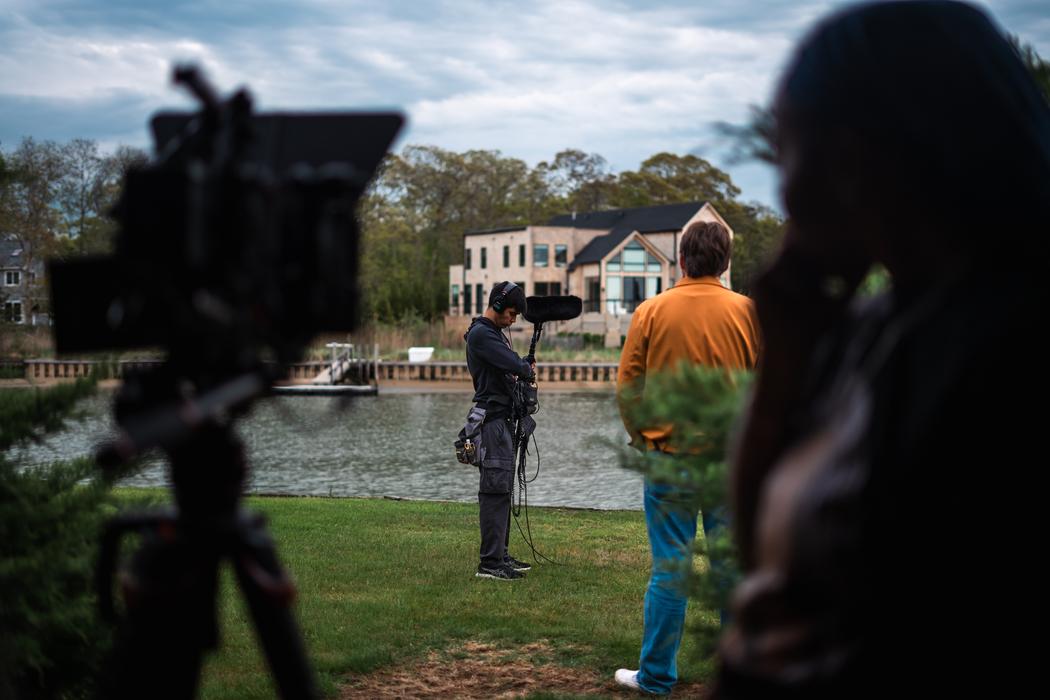
What are some of the main challenges you face when recording sound on set?
Well, it depends a lot on the kind of place that we are shooting; every space and set works differently than the other; it is a really case-by-case scenario. Here in New York, it is a really loud place, so every time I have to shoot here in the city, I have to be careful of people talking on the street, someone might horn because there is a lot of traffic and they are in a rush. I might hear a garbage truck picking up garbage or maybe some construction is being done nearby. But definitely the most consistent challenge of this city is the airplanes; they are really loud, and depending on how close you are to their flying scheduled route, it can become a nightmare or just some noise in the background.
I was shooting a web series last month and the main location was near a church, and for some reason a lot of airplanes had their plane schedule to pass below the apartment when we were shooting. Also, we were shooting on Sundays and every now and then, we also heard the bells of the church while shooting. It was annoying, but we made it work out.
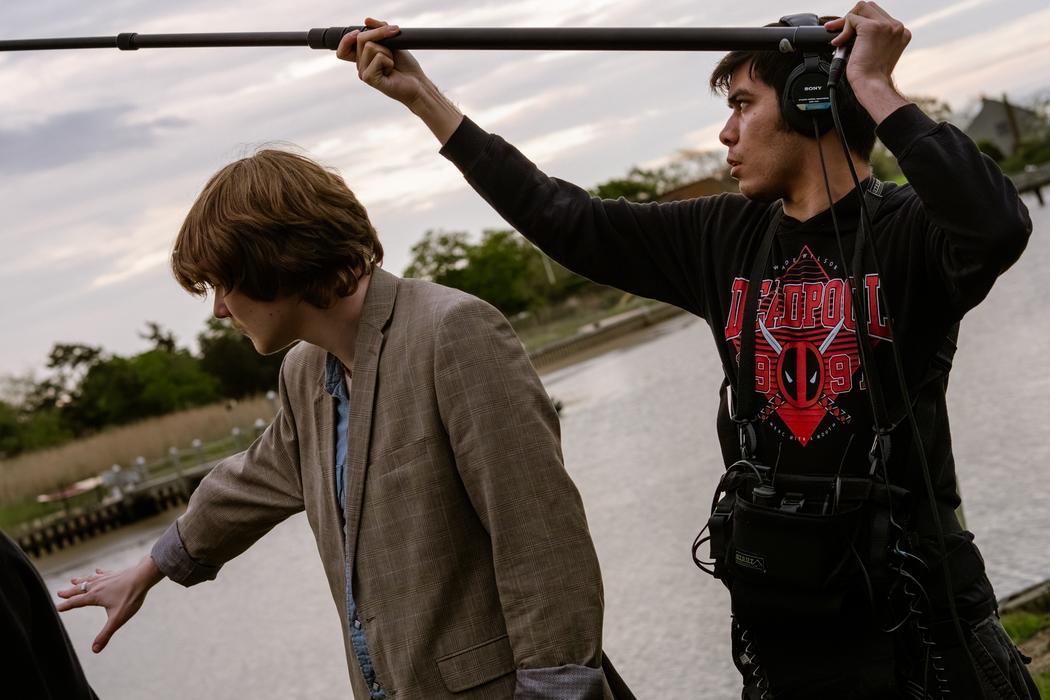
What skills or areas of filmmaking are you currently interested in developing further?
I want to keep gathering more knowledge on the sound department. I am starting to learn how to be a sound designer so I can understand how to edit sound and how to create a good final mix. And also, I am starting to investigate how to become a foley artist. A foley artist is someone who records and creates additional sound effects for movies, like the sound effect of a spaceship. I will keep developing my comedy directing skills in the future, but for the moment I want to keep improving as much as I can as a sound guy.
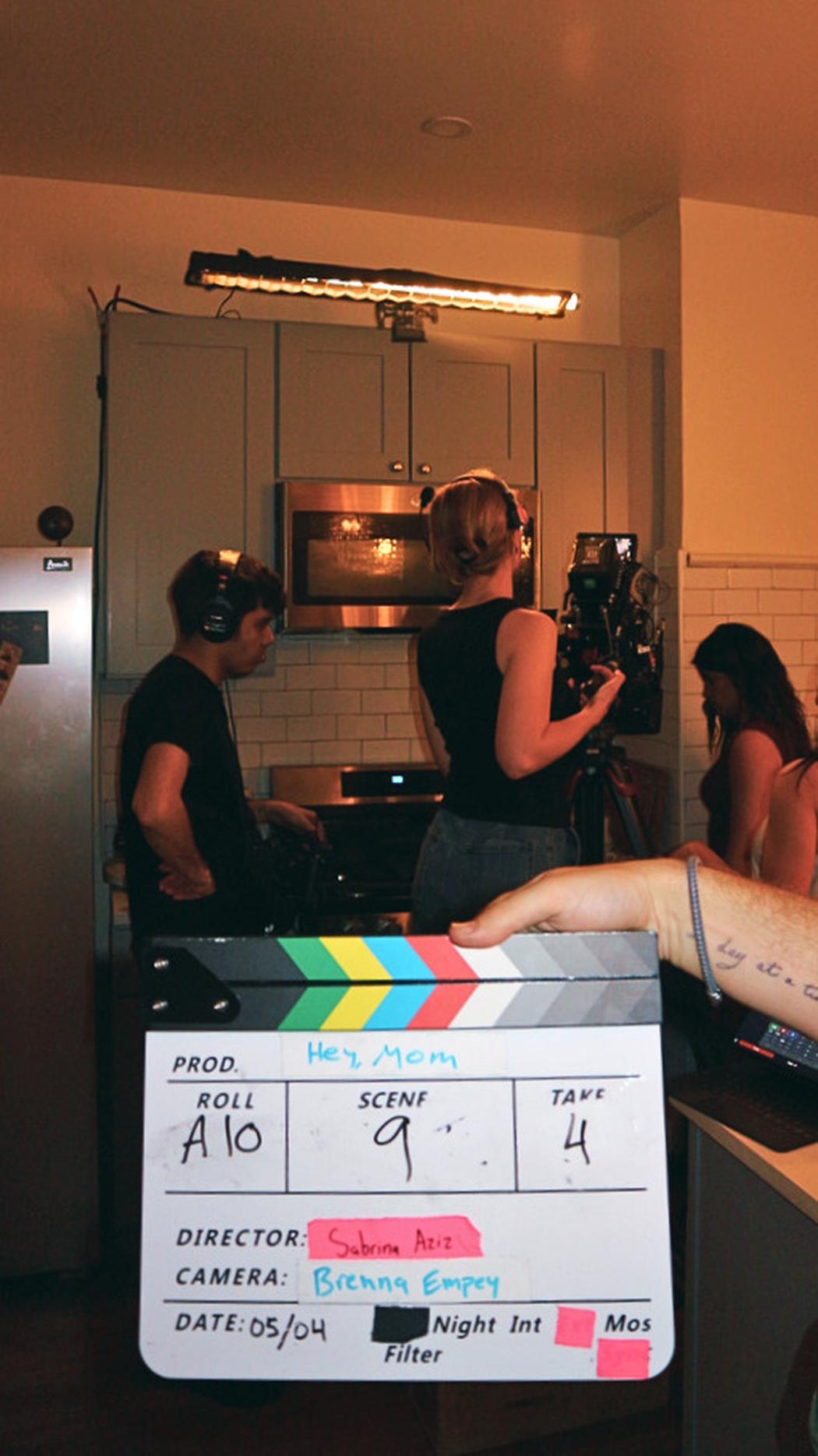
What kinds of projects would you like to create or contribute to in the United States and Paraguay in the future?
I would love to work on a set in Paraguay. I have been a sound mixer for almost three years. I mostly film here in New York, so I did not have the chance to go back to my country and make a
lot of contacts yet. I don´t really have a preference for the kind of shooting that I do. Although I would definitely love to work on more documentaries, it is always an interesting process to work on those kinds of sets. Both in Paraguay and the United States
I would love to keep creating comedies here in the USA, and I would love to create comedies in Paraguay too. I do feel that if I ever create a comedy in Spanish, I need to tackle it in a different way, because the humor and the kind of public are different. It would definitely be a challenge, but I feel it would be an interesting one. I feel there is so much of theParaguayan culture that gives a lot of elements to create a good story.