
Daniel Roberts
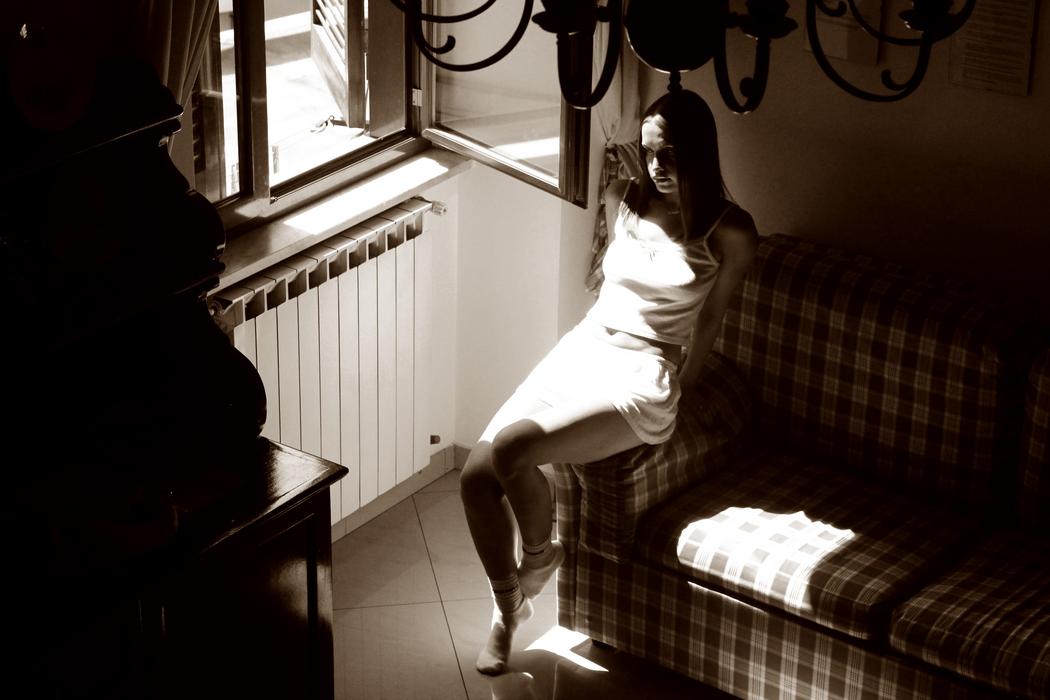 Daniel Roberts | Nat photograph
Your work is rooted in expressing personal emotions without explicitly naming them. How do you decide when a piece successfully communicates a feeling without words?
Just through feeling. Intuition. When I start the making process of my magazines, I try to just have a honest conversation with myself about what I’m feeling, what emotions are going through my body and mind. Once I do that, and have a steady understanding of myself, it just feels like the work follows. When I’m happy, inherently my work just follows that without me having to do or think anything in particular. I try to not overcomplicate the process.
In STEP FOUR, you explore the idea of starting over. What does ‘starting over’ mean to you personally at this stage of your life?
It means following what I love, no matter what. I’ve always since I could remember had a strong passion towards creating art. It’s never not been a part of my life. And as I grew older, graphic design became the main hobby for me. Once I started college, me and my friend D’Andre picked up photography as an additional hobby. I loved it, and still have such an admiration for that time in my life. But right now, and starting with Step Four, I wanted to bring back my focus on graphic design work, but also bring in new skills and hobbies, such as directing, videography and video editing. To me, art is so free flowing. An artist can never stay in one box, and should be allowed to swap between crafts as freely as they like. But in the eyes of the world, and getting work, jobs etc. that’s not the case. It’s like starting over. Those were the feelings I got when pursuing these new interests. It was like “ Okay you did really well in photography, but let’s take those achievements away, who are you now?”.
The magazine combines photography, 3D animation, poetry, and illustration. How do you approach blending these disciplines into one cohesive narrative?
A big part of it would be through a mutual understanding of the task at hand. I collaborate a lot with various different artists and people on these magazines, and I’m so grateful for them all! But what I like to do is if I am mixing all of these elements into a cohesive narrative, I like to try and put them into my shoes as much as possible, but still giving them the freedom to be their own artist. I would usually send people a page of just my thoughts and feelings at the time, a colour scheme to stick towards, show them pages already done for the magazine, any films, videos, books etc. I was into it at the time. Then usually it all connects and works out. If the work is all made with the same intention, then it doesn’t matter what the medium is, it’ll be cohesive.
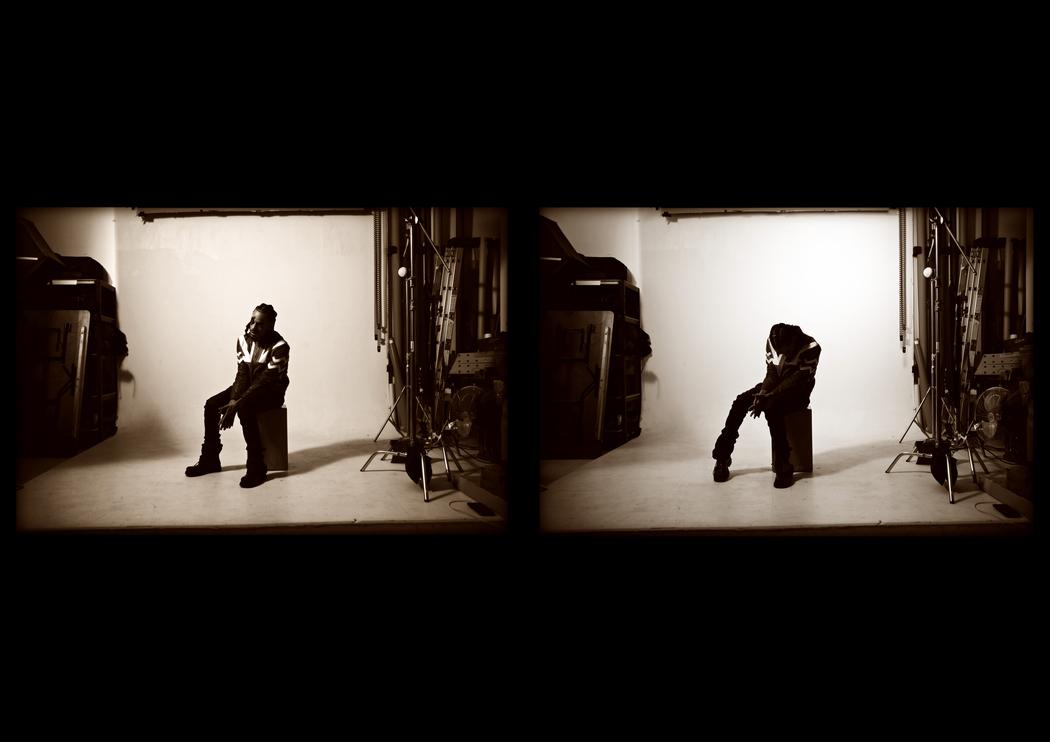 Daniel Roberts | Combine
Your visual language leans toward noir aesthetics. What draws you to darkness, grit, and horror as tools for storytelling?
I love making people feel uncomfortable through art. I love horror films and love how they can make me and so many others feel uncomfortable! At the time of making this magazine, I was watching a lot of new horror films and was making art inspired by that. The feeling of starting over is also quite uncomfortable, so merging the two was natural as there was a common ground. The magazine quickly became a noir, horror film inspired piece.
How has British culture specifically influenced your artistic voice and the atmosphere in your work?
It’s influenced every aspect of my work, and will do for the rest of my life! I am not shy to show the fact that I love the UK. I love London. I loved Queen Elizabeth. It’s hard to say exactly what being from London has done to my work, but growing up here is such a special thing and stays with you forever. It’s hard to describe, and I don’t think anyone who didn’t grow up here would get it. I’ve never visited a place like this before. London will always come with me in everything I do.
The images feel cinematic and staged, almost like fragments of a larger film. Do you think in sequences when creating your work?
Yes 100%. It’s a very particular process. I’m super intentional with what makes the cut and what doesn’t. For Step Four I made around 200-300 images for the magazine. Then I had to whittle it down all the way to 60. So in a sense it’s similar to how films will shoot hours and hours of footage, but the film will be 1hr30mins. You have to do everything that comes to mind, then cut it into precise sequences that still tell the narrative you need.
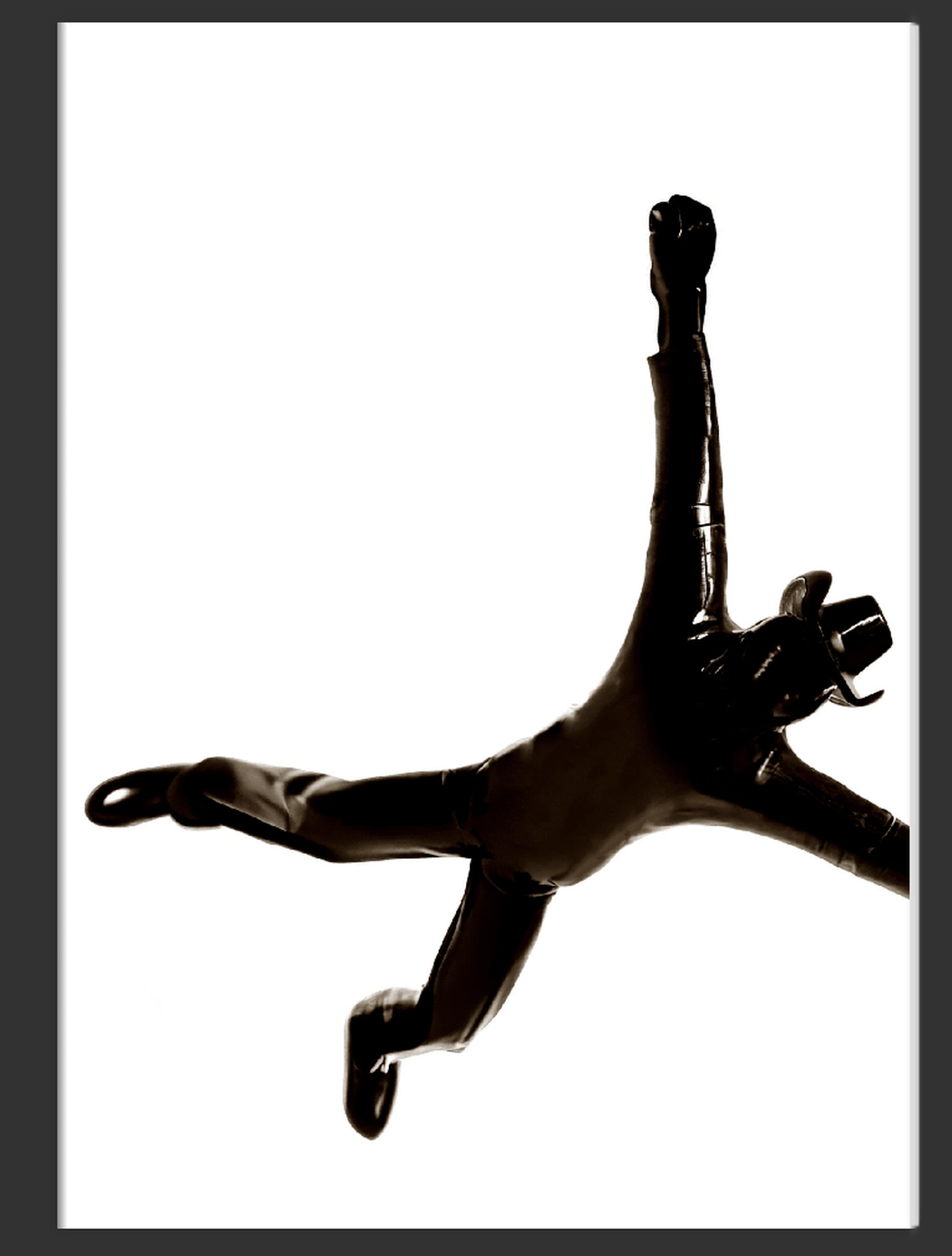 Daniel Roberts | Step Four Cover
What challenges did you face while creating STEP FOUR, and how did they shape the final result?
There were so many challenges while creating this zine. I feel like I have never worked so hard in my life on a project before. I was so dedicated to creating such a new experience that I had to learn softwares from scratch. I had to learn how to draw again. I had to learn to paint. It was a long process. Also, stripping colour away from my work was a challenge. I usually love to tell stories with colour, but then I was at a point where I wanted to scrap that, and now my biggest weapon is gone. It took time to understand how to portray a constant flowing narrative that didn’t feel restricted due to its colour limitations. Every page had to feel unique, but also only had three colours. It was hard. Finding that middle ground was humbling. All of it leads to a great experience.
Leave a Reply
You must be logged in to post a comment.