
Maria Tretyakova-Muratkina
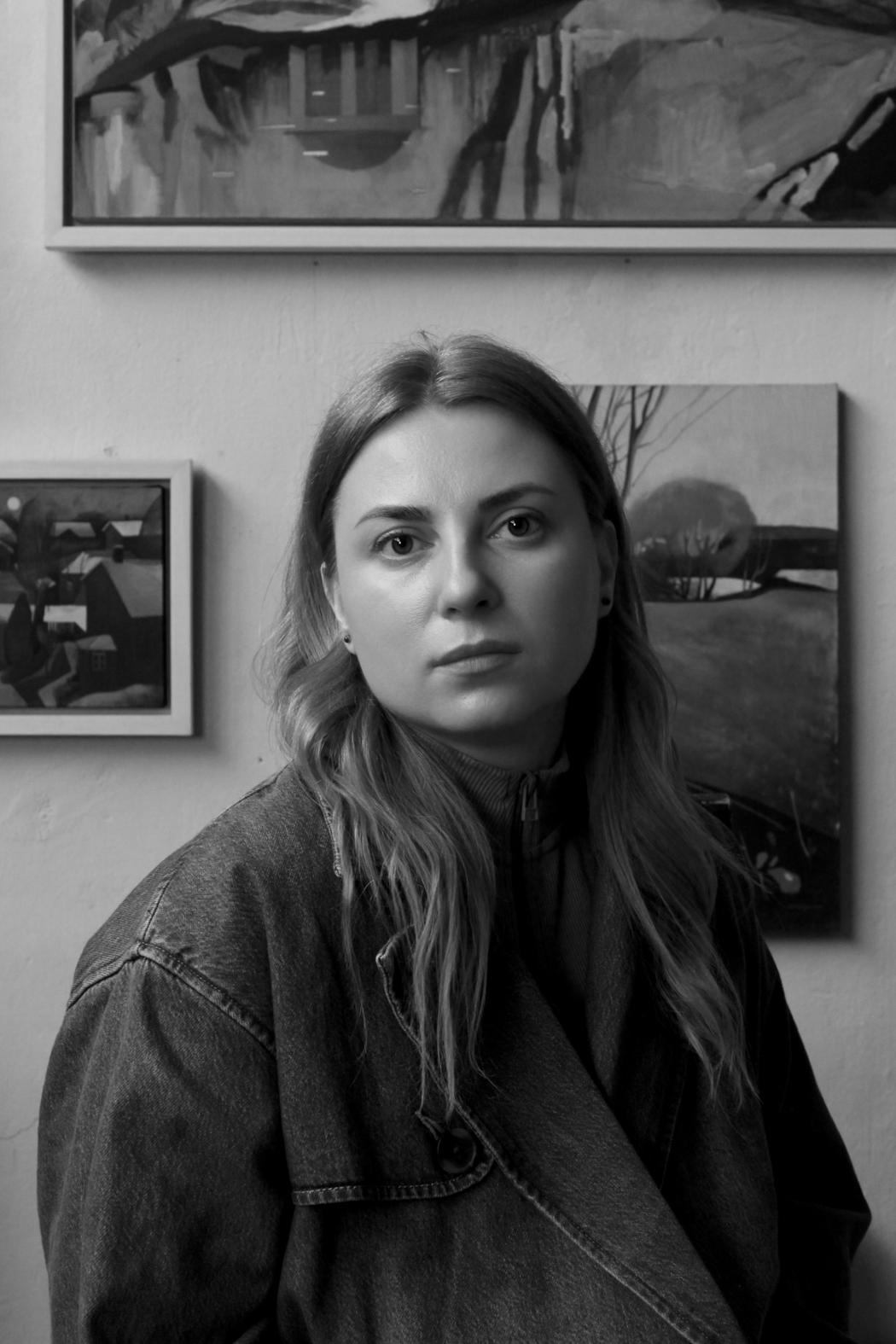
Your project “Textures of the Environment” focuses on the changing states of nature. What initially inspired you to explore this theme, and how has it evolved over time?
The starting point was a desire to convey the scenes I observed through visual art in the style of abstract impressionism — to vividly capture the real world in its movement and constant change, and to transmit my fleeting impressions. Equally important are place and environment: the contexts in which I find an emotional response.
Over time, the formats of the works grew larger, additional decorative elements appeared, and the color palette became richer and more intense.
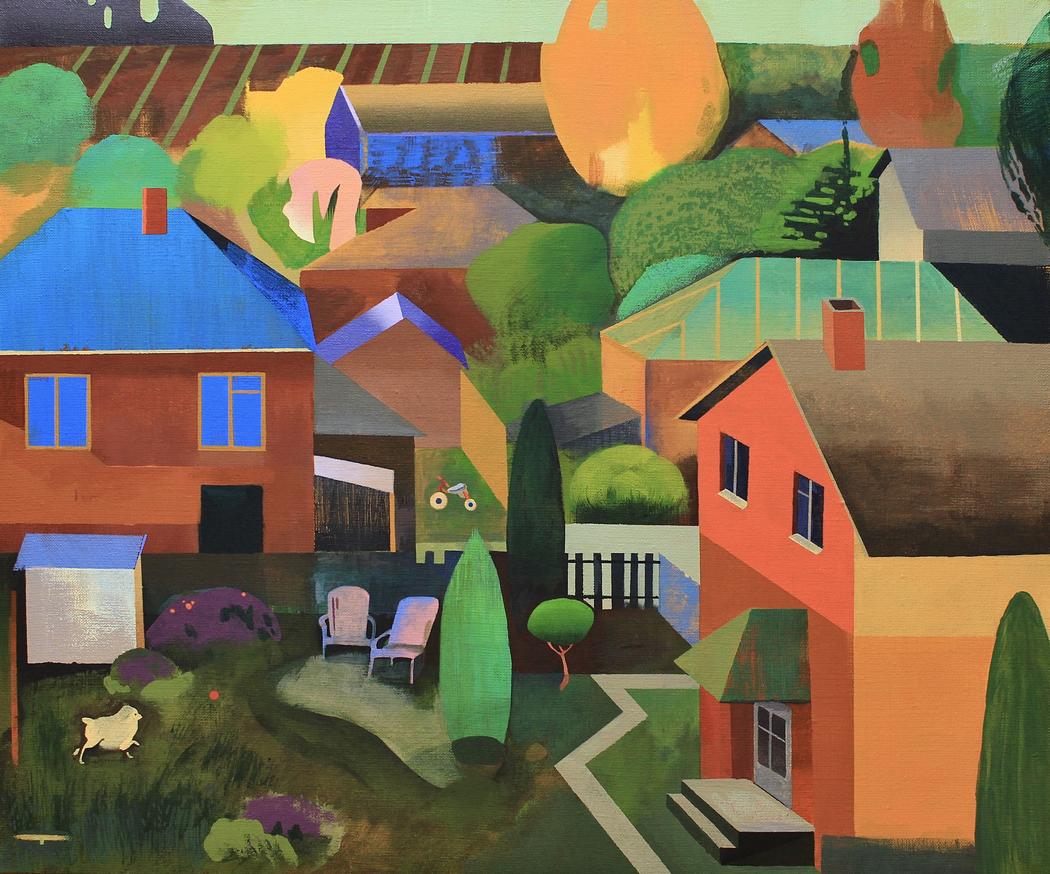 Maria Tretyakova-Muratkina | A Gaze Into The Distance Through The Garden | 2025
You describe nature as something limitless and without a clear form. How do you translate this formlessness into structured compositions on canvas?
In my view, nature is not formless; it does not have a clearly defined shape — and that is an important distinction. Therefore, the artist defines and completes the form through the prism of their own perception. Through the stylization of the image, I simplify many details. The central task becomes the search for the abstract forms of the landscape.
In your statement, you mention transforming abstract thought into something tangible. What does this process look like in practice while you are working on a painting?
In the project “Textures of the Environment,” I explore the transformation of abstract thought into a tangible image. In practice, this process unfolds as follows: while working on a painting, the landscape is interpreted through artistic and technical methods and skills. First and foremost, it is an exploration of color and form. The connection to a specific place is secondary. Each element of the image – whether a cloud or a tree canopy – must have its own density of brushwork and texture, while still reflecting its natural origin. By imbuing the image with distinctive elements of my personal style and eliminating unnecessary details, the composition is constructed.
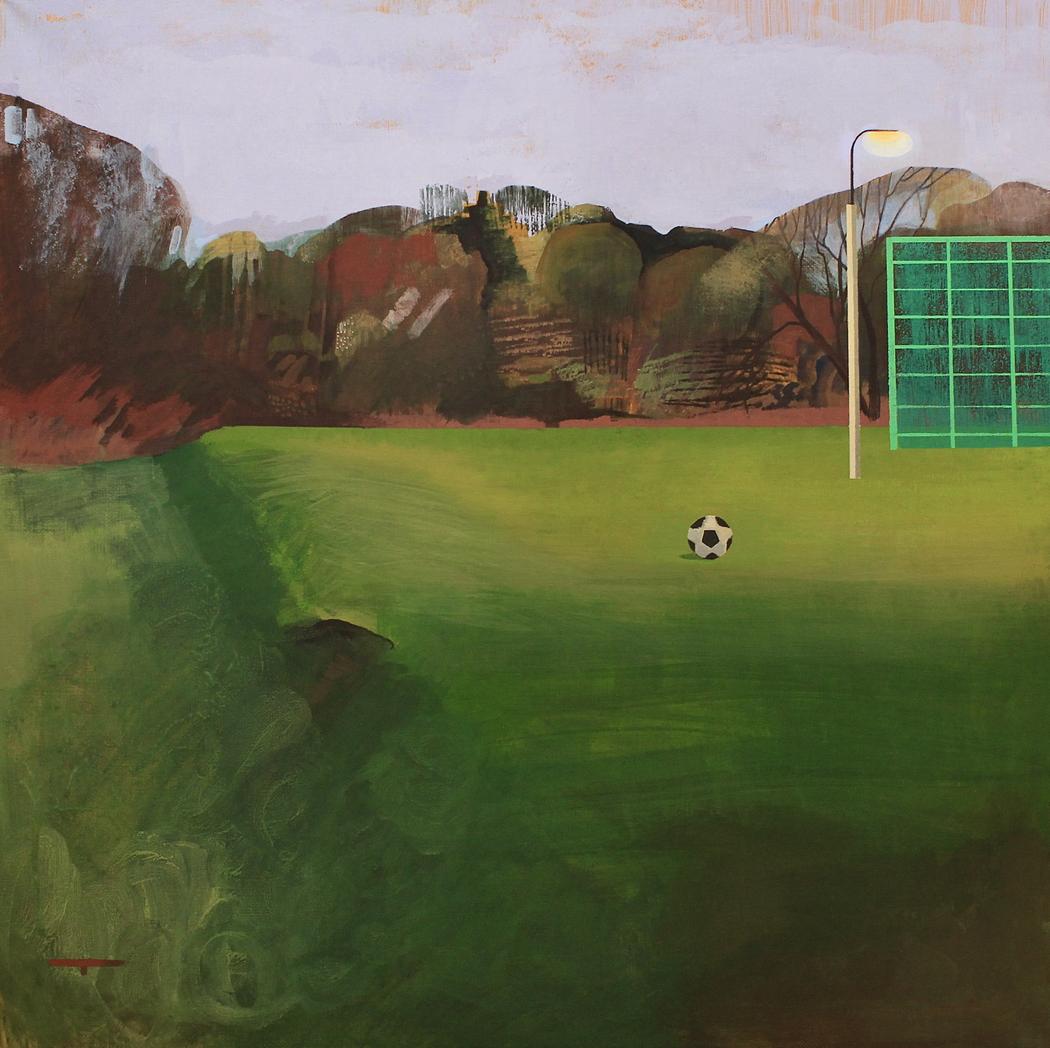 Maria Tretyakova-Muratkina | Ball | 2025
Architecture appears alongside natural elements in several of your works. What kind of dialogue are you trying to build between the man-made and the organic?
In these works, I observe environments where architecture comes into contact with the landscape. Over the years, the structures have changed together with their surroundings and gradually merged into a single whole. Little by little, flora has embraced human-made objects and become akin to them, resulting in a symbiosis.
The intertwining of nature and architecture embedded within the urban landscape inspires me to convey the scenes I encounter, imbuing them with philosophical meaning. It is important to me when humans enter the natural environment subtly, introducing their own elements without disruption. I seek a balance between vegetal motifs and architecture.
Color plays a strong emotional and structural role in your paintings. How do you choose your color palettes, and do they relate to specific moods or memories?
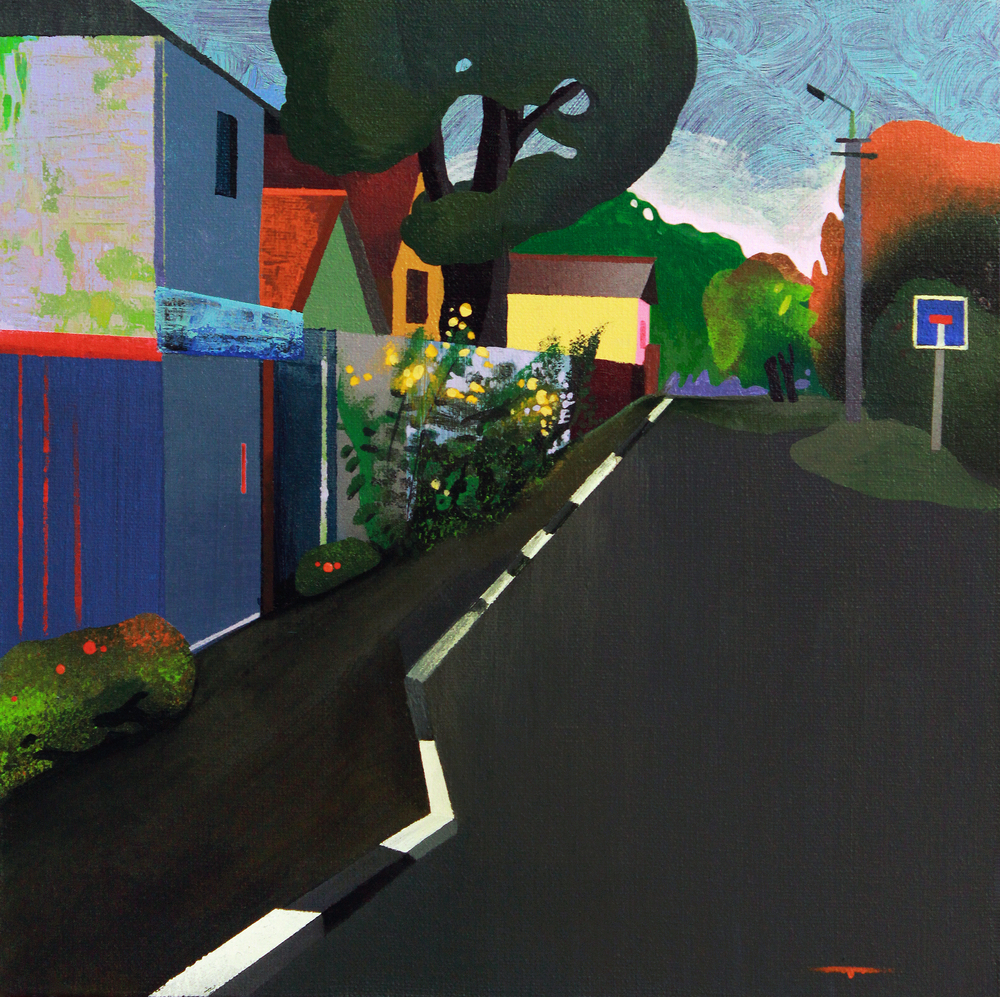
Yes, it is connected. Color helps me intensify the emotional subtext of the image. Through my color palette, I project the mental dimension of the painting. I observe nature from a contemplative perspective, immersing myself in the landscape in order to remember the scene and its color harmony, to grasp the essence of a natural state. All of these aspects are essential for realizing the intended narrative lines.
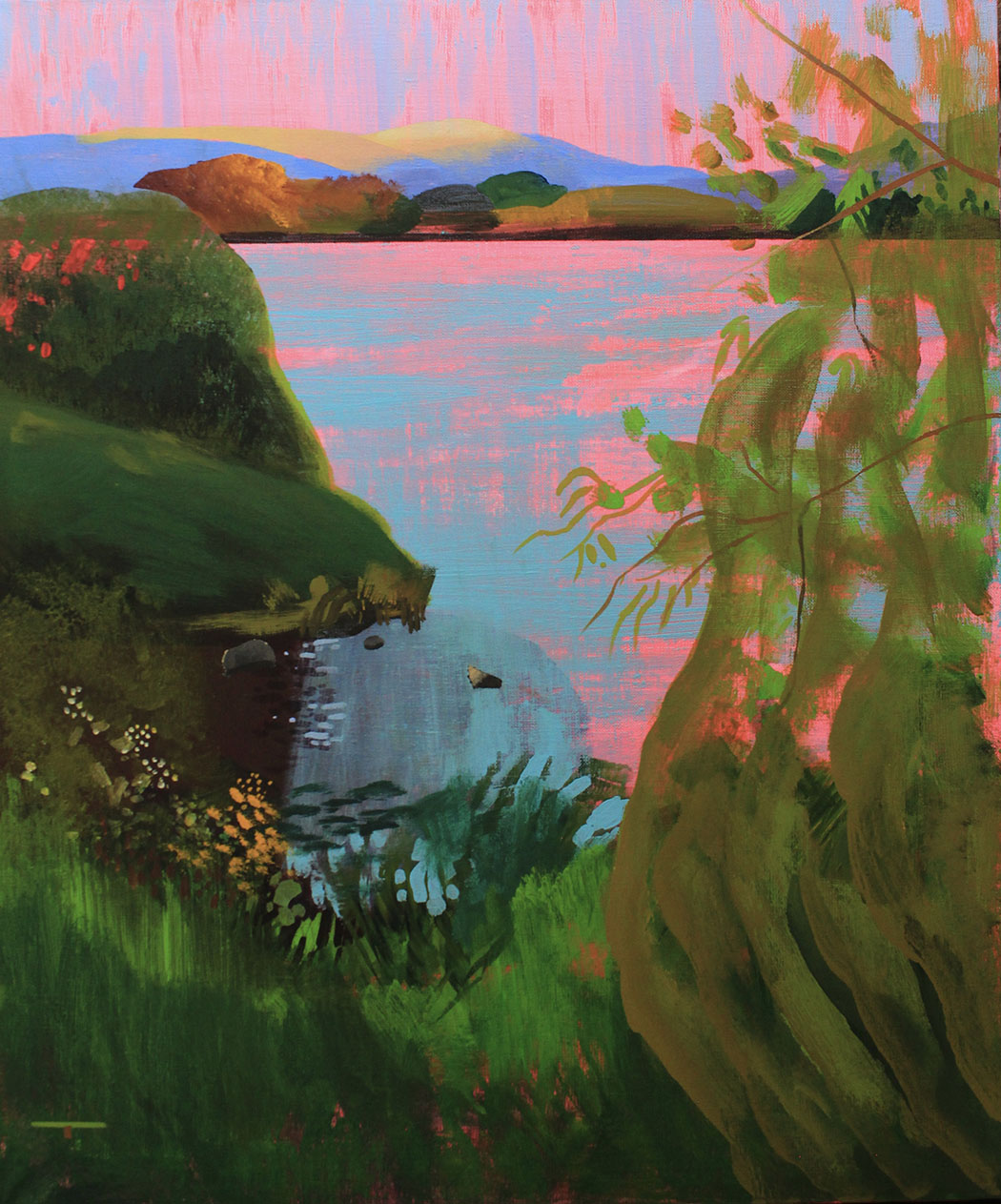 Maria Tretyakova-Muratkina | Landscape | 2025
As a trained artist and former art teacher, how has your pedagogical experience influenced your own artistic practice?
To be guided by the classical school, while at the same time striving to develop one’s own distinctive visual language in painting. To remain observant and patient, and not to lose a sense of wonder toward nature.
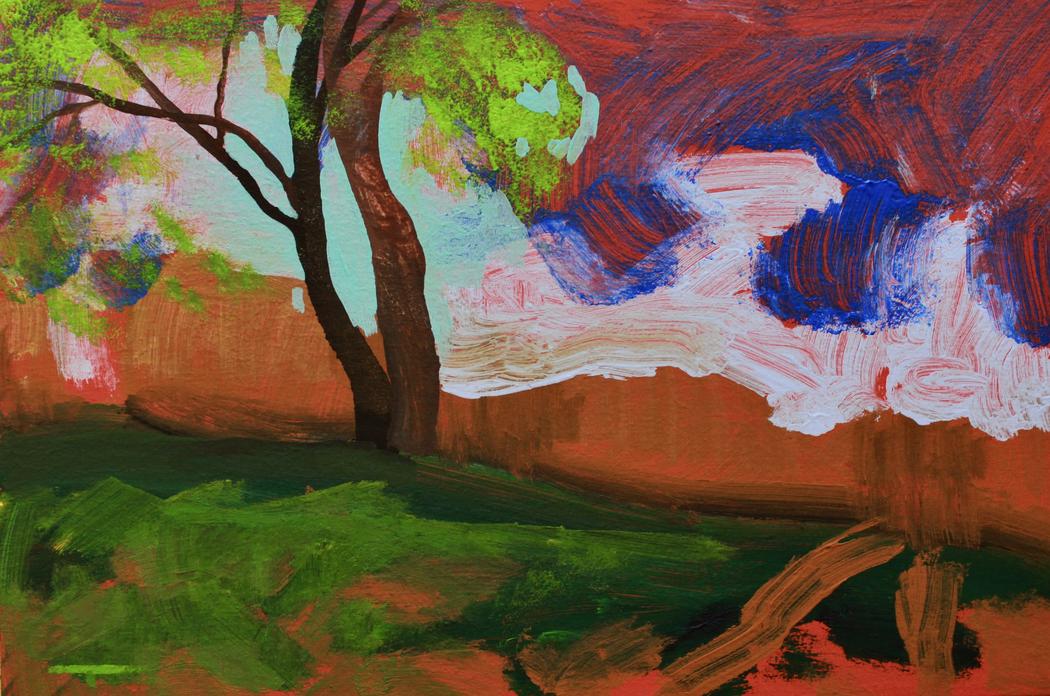 Maria Tretyakova-Muratkina | Landscape | 2025
How do you hope the viewer interacts with your paintings – emotionally, intellectually, or intuitively?
In its entirety. I offer the viewer a “philosophy of contemplation.” This means looking at familiar subjects in a new way, from a position of genuine attentiveness to what is unfolding. My aim is to draw the viewer’s attention to simple scenes imbued with harmony and mystery—to create a personal source of the supra-sensory. To look inward, somewhere beyond everyday reality.
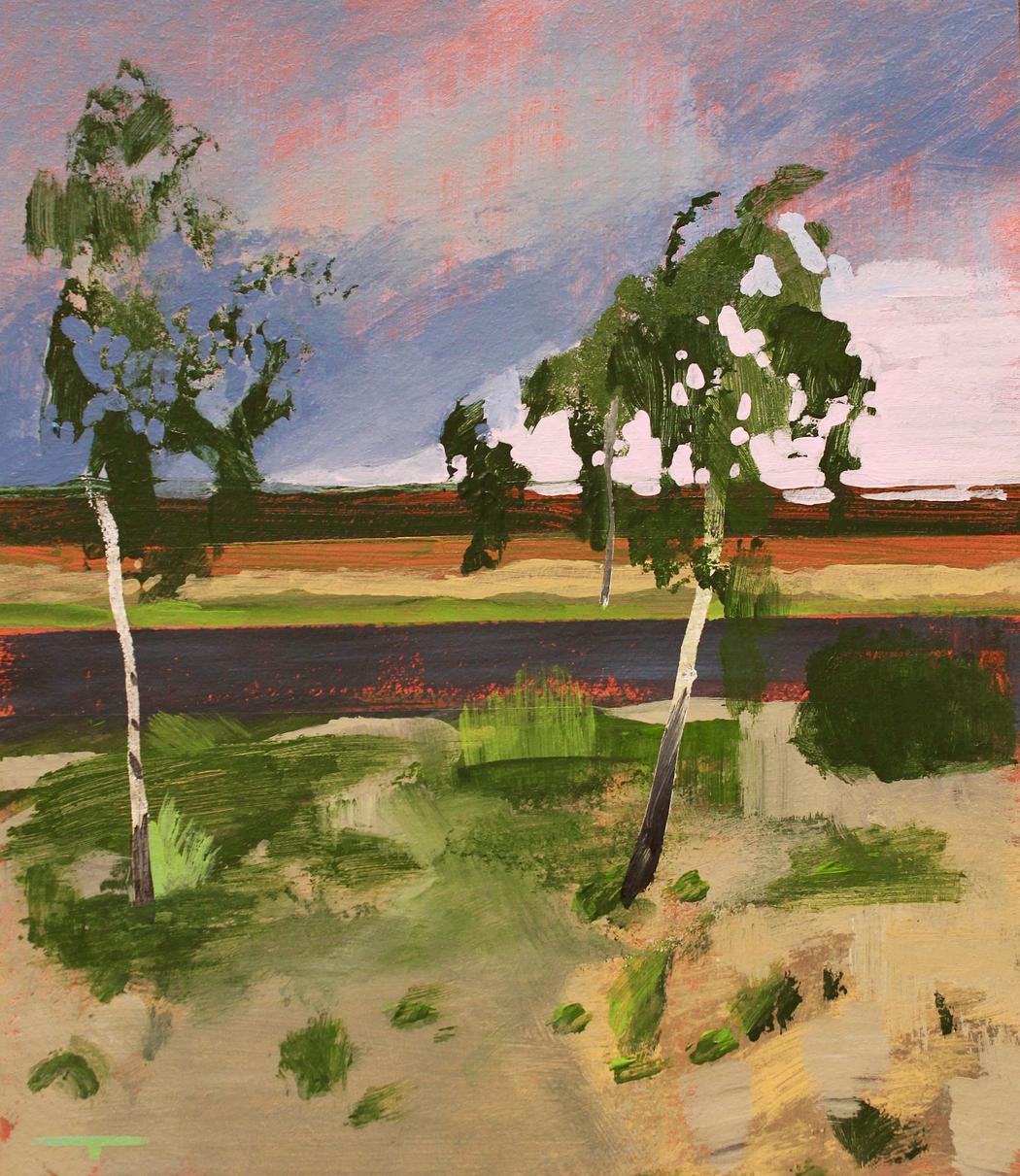 Maria Tretyakova-Muratkina | Landscape | 2025
Leave a Reply
You must be logged in to post a comment.