
PEPI / JUN YASUDA
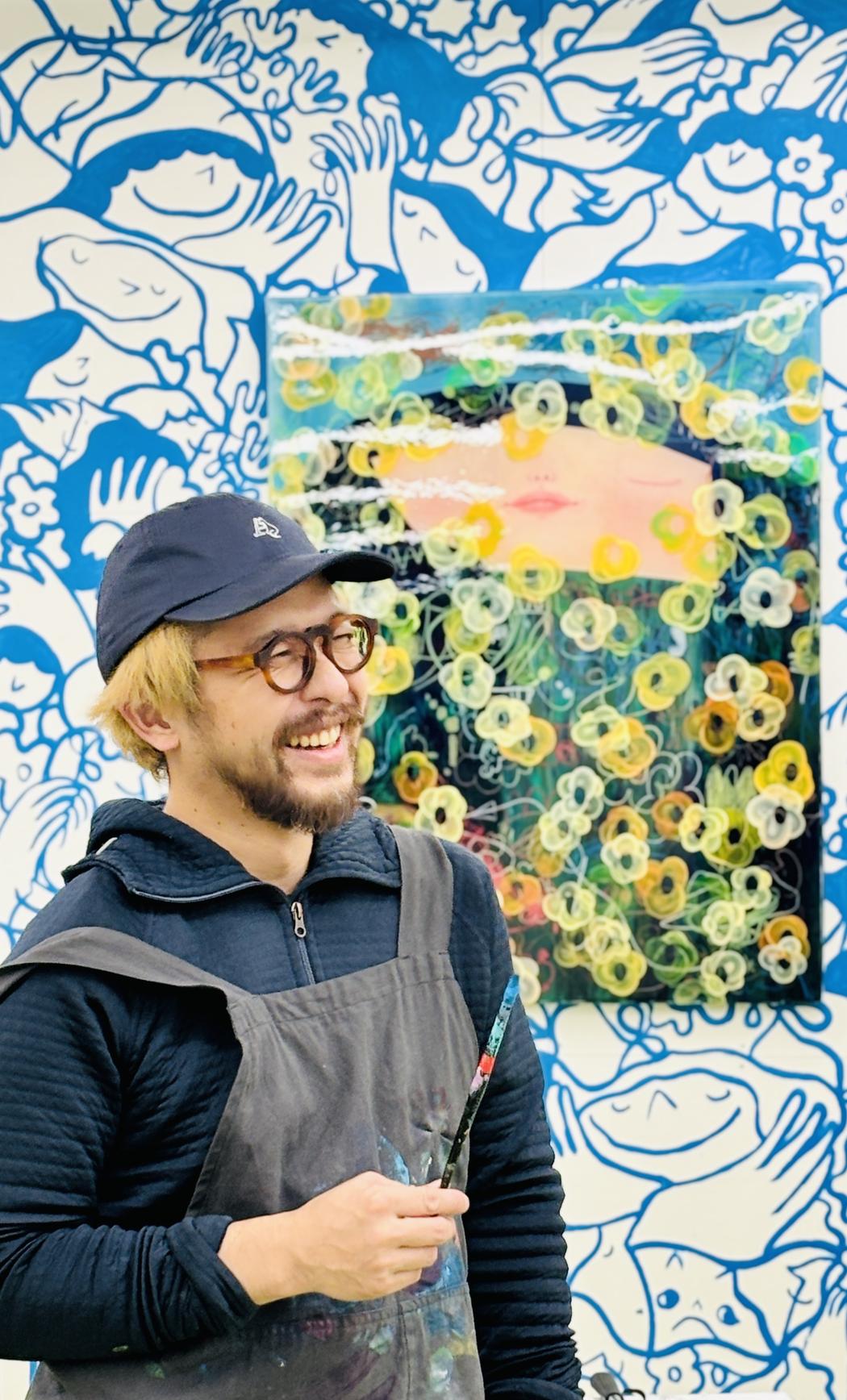
You began your professional path in medicine and later made a radical shift toward art. What inner realization or moment made you certain that art was your true calling?
Many people continue to love what they loved in childhood, even as they grow older.This is something I came to understand through my studies and experiences in psychiatry.Somewhat unexpectedly, it was medicine that helped me realize how essential art is to me.For me, art is one way of returning to a state of pure, childlike innocence —a space constantly filled with stimulation, curiosity, and wonder.At the same time, it serves as a form of detox and healing for myself.The moments when adults are able to return to their inner child are profoundly beautiful.
How did your experience of traveling the world influence your way of seeing, sensing, and translating emotions into visual form?
We Japanese tend to be reserved, expressing our emotions less openly and often preferring to be the same as everyone else.For me, this felt confining.The people I have met around the world express themselves freely — boldly and colorfully and they value connection.What I feel especially strongly is their deep respect for religion, nature, and human relationships.These values give powerful inspiration to my art.They are also less concerned with how others see them.Many people know who they are and are unafraid to show it.This continually reminds my art — and myself — to be true, to be freer, and to keep spreading my wings.
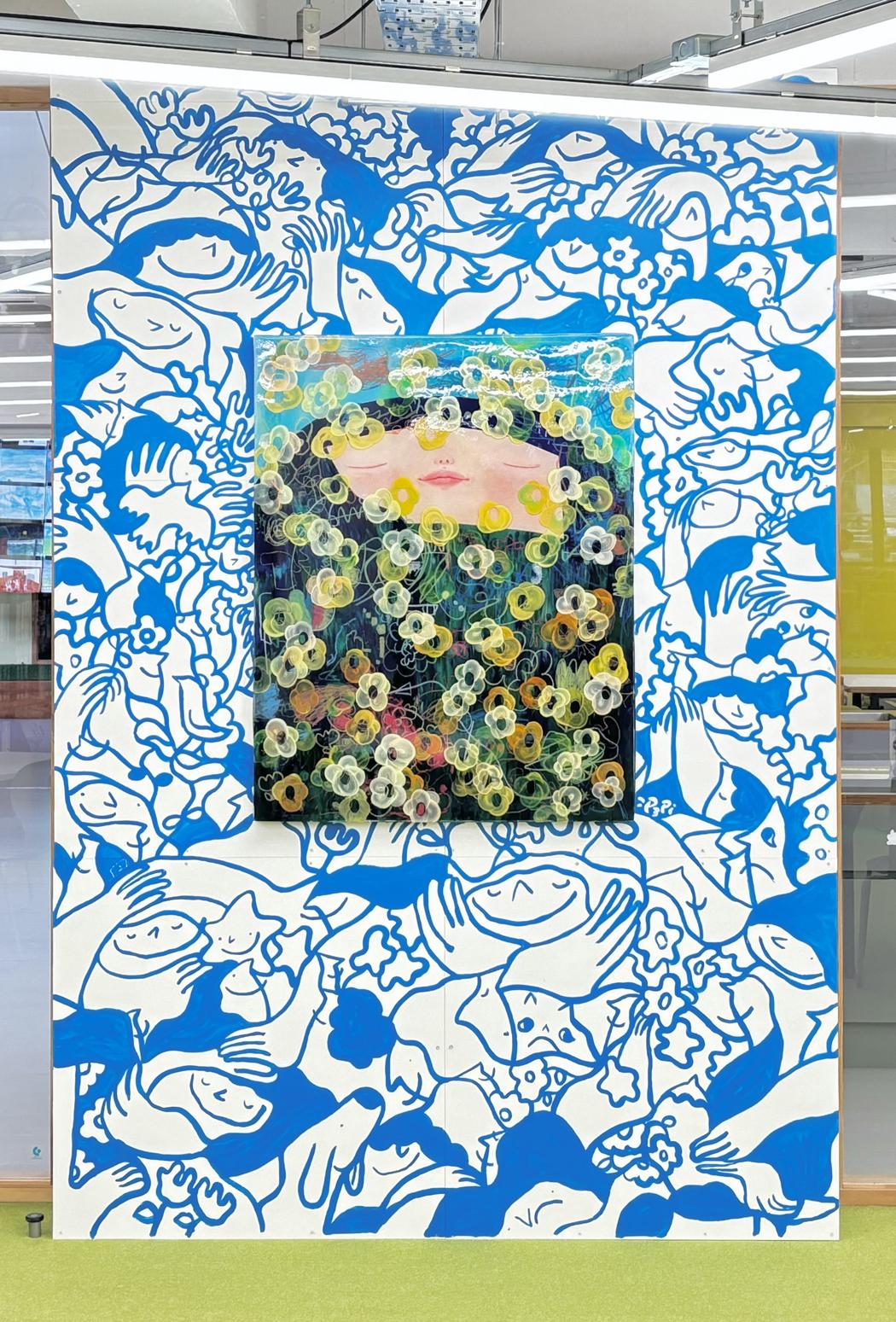 PEPI / JUN YASUDA | Expression
Your works often depict sleeping or closed-eyed faces. What does the state of sleep represent for you emotionally and symbolically?
When we sleep, we are all vulnerable, and it becomes a time of healing. As the phrase “sleeping like a child” suggests, when we sleep, we all return to being children. It also carries the desire to keep dreaming, to remain comfortably asleep a quiet escape from the fatigue and stress of modern society.
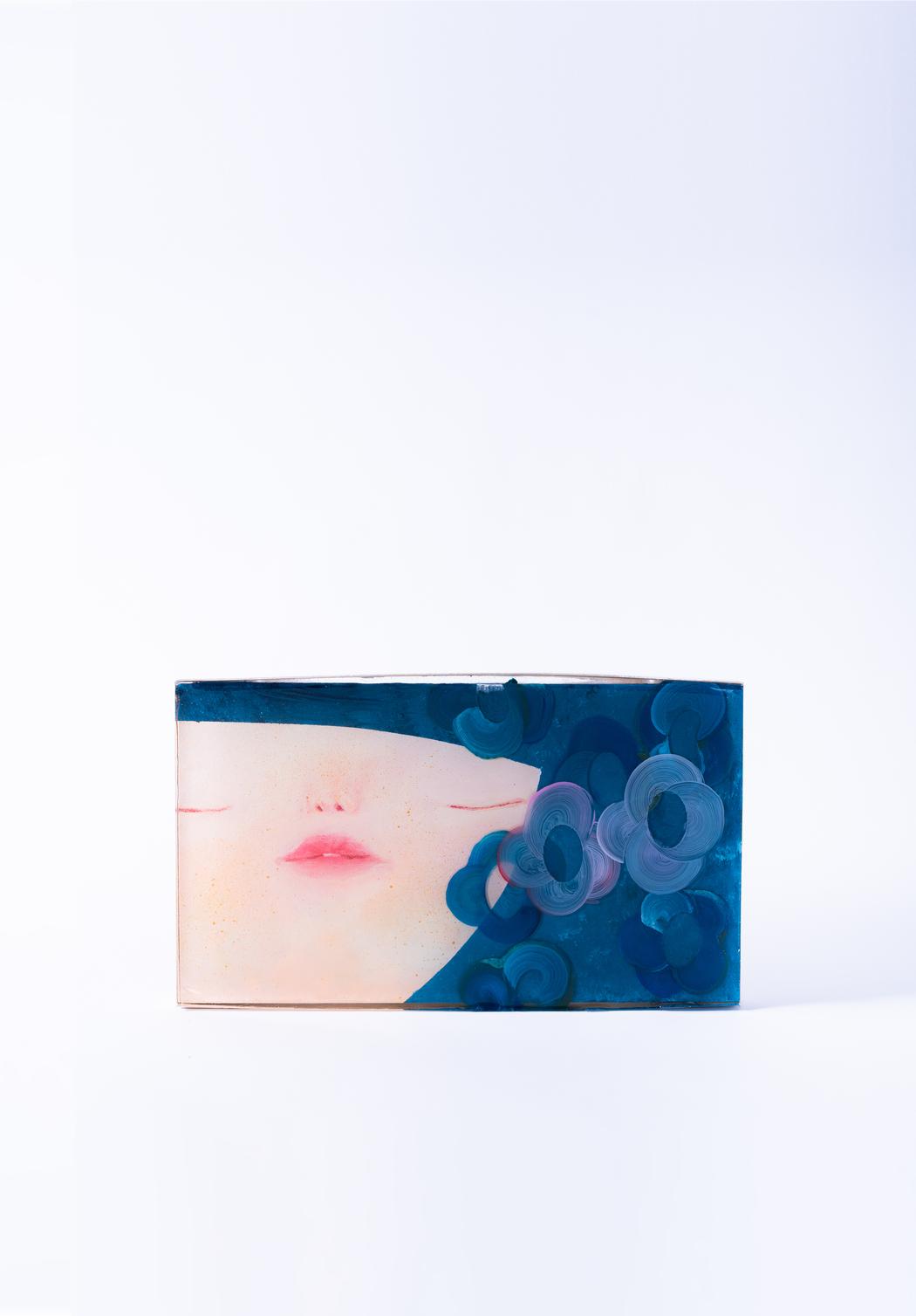 PEPI / JUN YASUDA | Expression
Flowers appear repeatedly in your work as a central motif. Why did flowers become such an important symbol of love, connection, and emotional flow in your visual language?
Images of my grandmother and mother tending the garden and admiring flowers have stayed with me since childhood.I received so much love from both my mother and grandmother.Perhaps because of that, flowers gradually came to mean love to me.People are always drawn to flowers.From a single beauty, countless connections are born.Yet flowers themselves are finite they bloom, they fall, and they never show the same form again.By painting them, they are no longer bound by finitude.This is the kind of flower I continue to imagine and create.
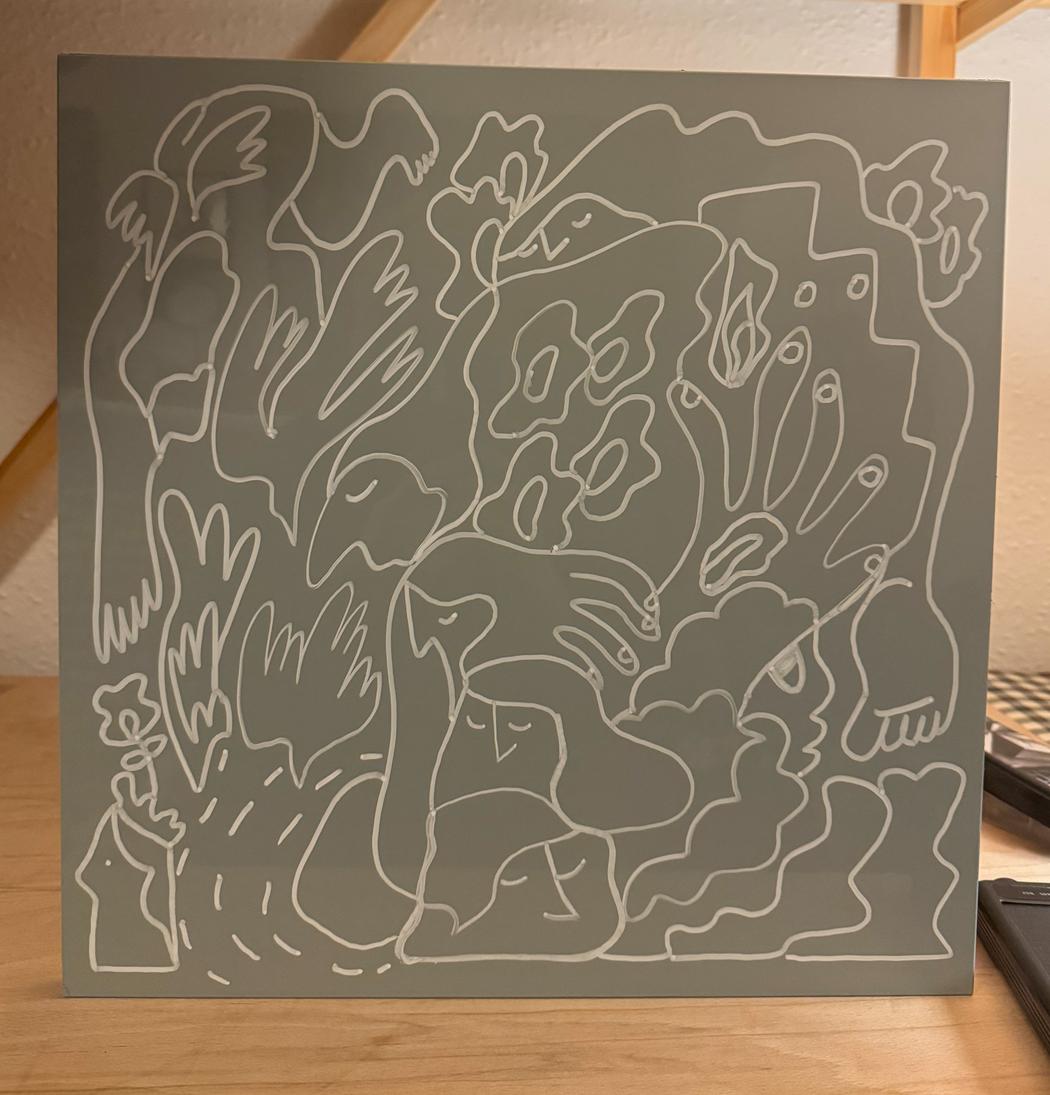 PEPI / JUN YASUDA | Mind Shapes On Paper Series
You describe your expressions as “gentle” and “childlike.” Do you see this softness as a form of resistance in today’s fast-paced, often harsh world?
It is an act of resistance, and it is infinite love. In the face of the harsh realities of this world, I believe love is the only thing that can truly resist. Not only on a global scale, but also in our everyday lives, love is always present.I believe love exists in our care for others, and in each small action we take.
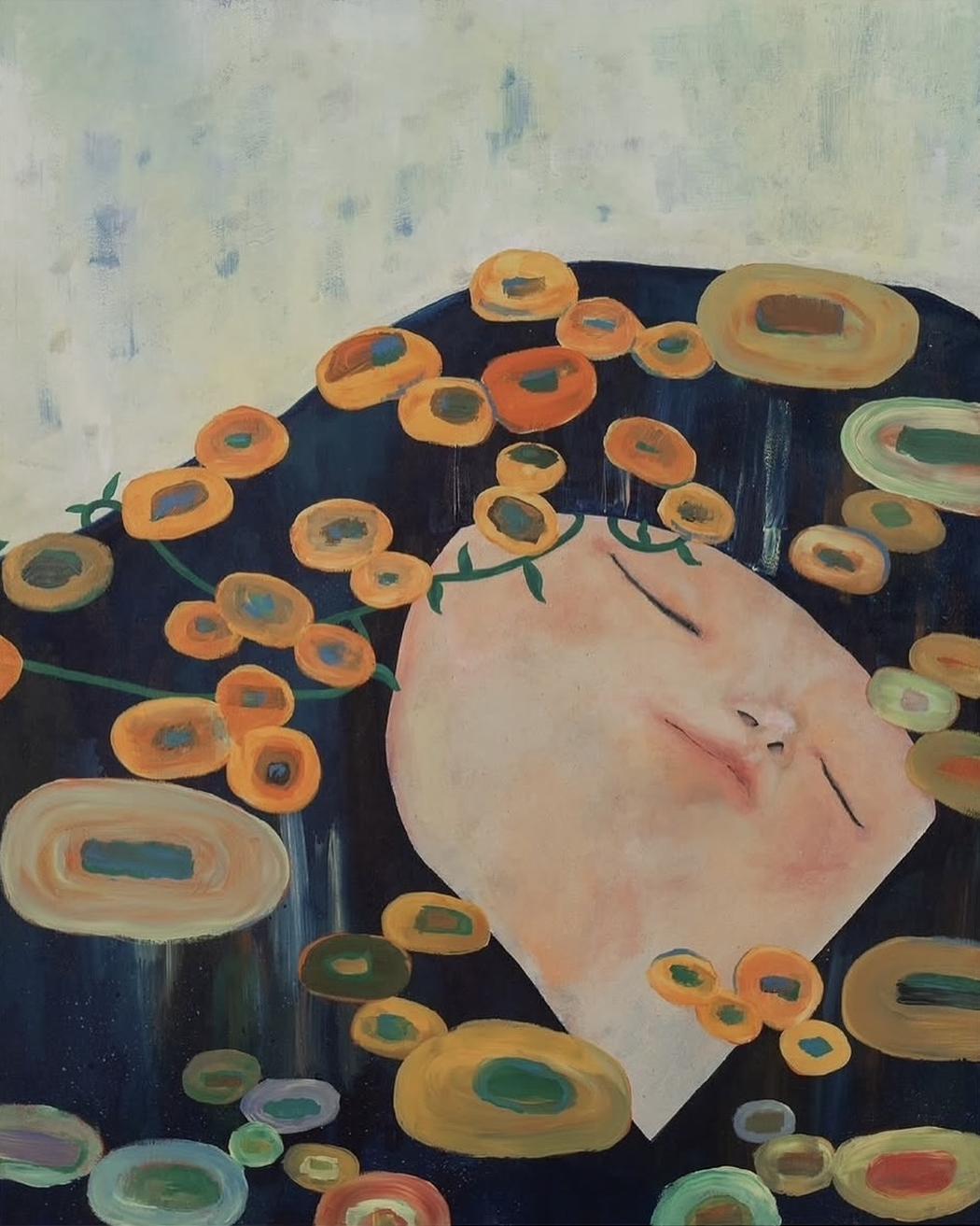 PEPI / JUN YASUDA | Expression
Your work often conveys a sense of care, love, and emotional safety. Is this something you consciously aim to offer the viewer, or does it emerge naturally?
Feelings such as compassion, love, and inner calm arise unconsciously. Some people may experience entirely different sensations when viewing my work — and that is completely valid. There is no single correct interpretation. If, for some, these feelings gently and naturally emerge, that is what brings me joy.
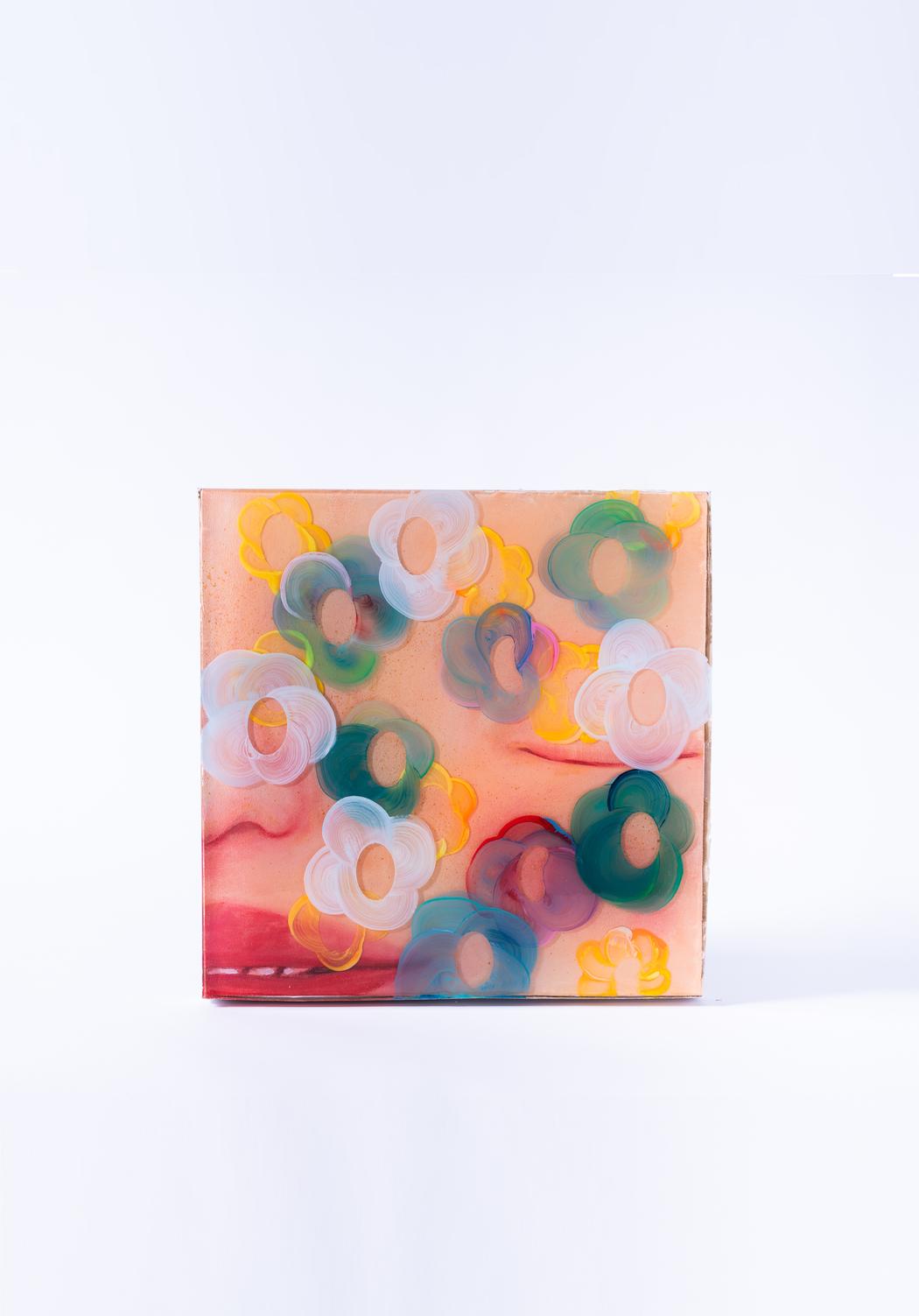 PEPI / JUN YASUDA | Expression
Living in Bristol after being born in Hokkaido, how do different cultures and environments shape your artistic identity today?
Hokkaido is a region surrounded by vast natural landscapes.While there are many opportunities to connect with nature, there are fewer opportunities to encounter art.There are also fewer artists.Bristol, on the other hand, is a city overflowing with art, where it is easy to meet artists every day.Because of this, my days are constantly filled with stimulation and inspiration.Meeting so many artists has also changed the way I think about art.In the past to put it bluntly I may have simply been making art.Now, I recognize art and creative practice as an integral part of who I am.This is because every artist I meet in Bristol carries art as a part of themselves.
Leave a Reply
You must be logged in to post a comment.