
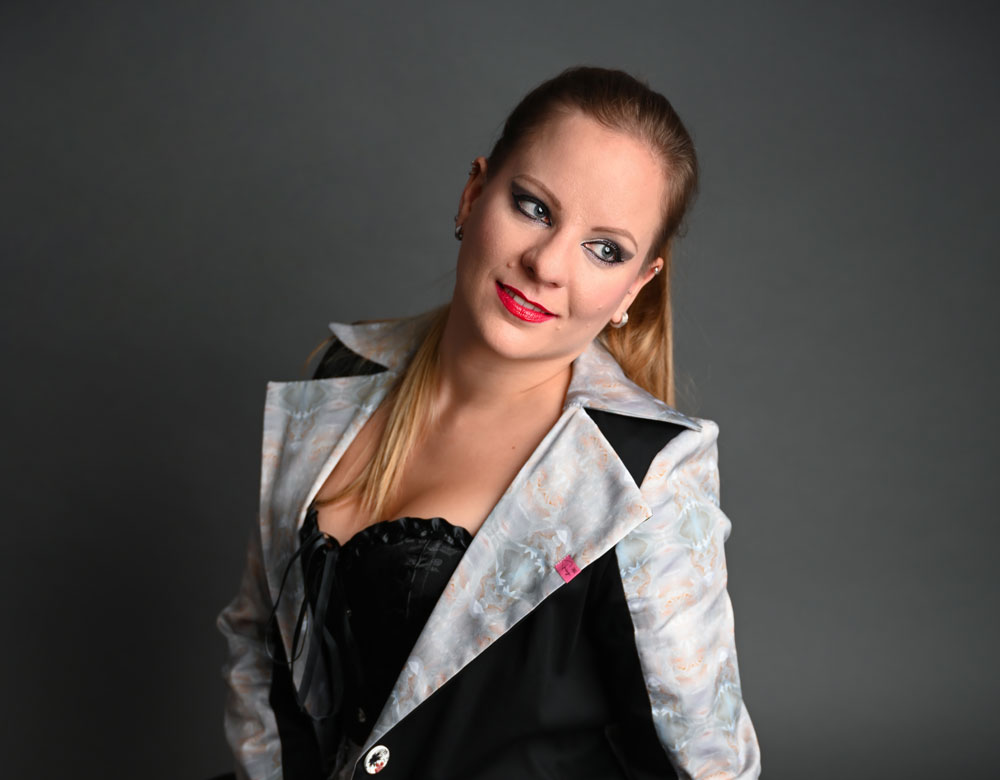
Beatrisz Hegyi-Tarsoly
You grew up in Budapest during a period of major political and cultural transformation. How did the atmosphere of your childhood influence your understanding of individuality, beauty, and personal style?
It was very different from the previous eras before in the eastern Europe life. All of a sudden all “west” stuffs – clothing, movies, glossies – everything was available. The 90’s pop culture came in, still, the people were very poor and despite availability, most couldn’t afford to shop the latest and greatest. I remember we started to pick our looks from the magazines at school and tried to replicate them with self-made stuff. I was very daring and usually mixed the “no-go”s on purpose together.
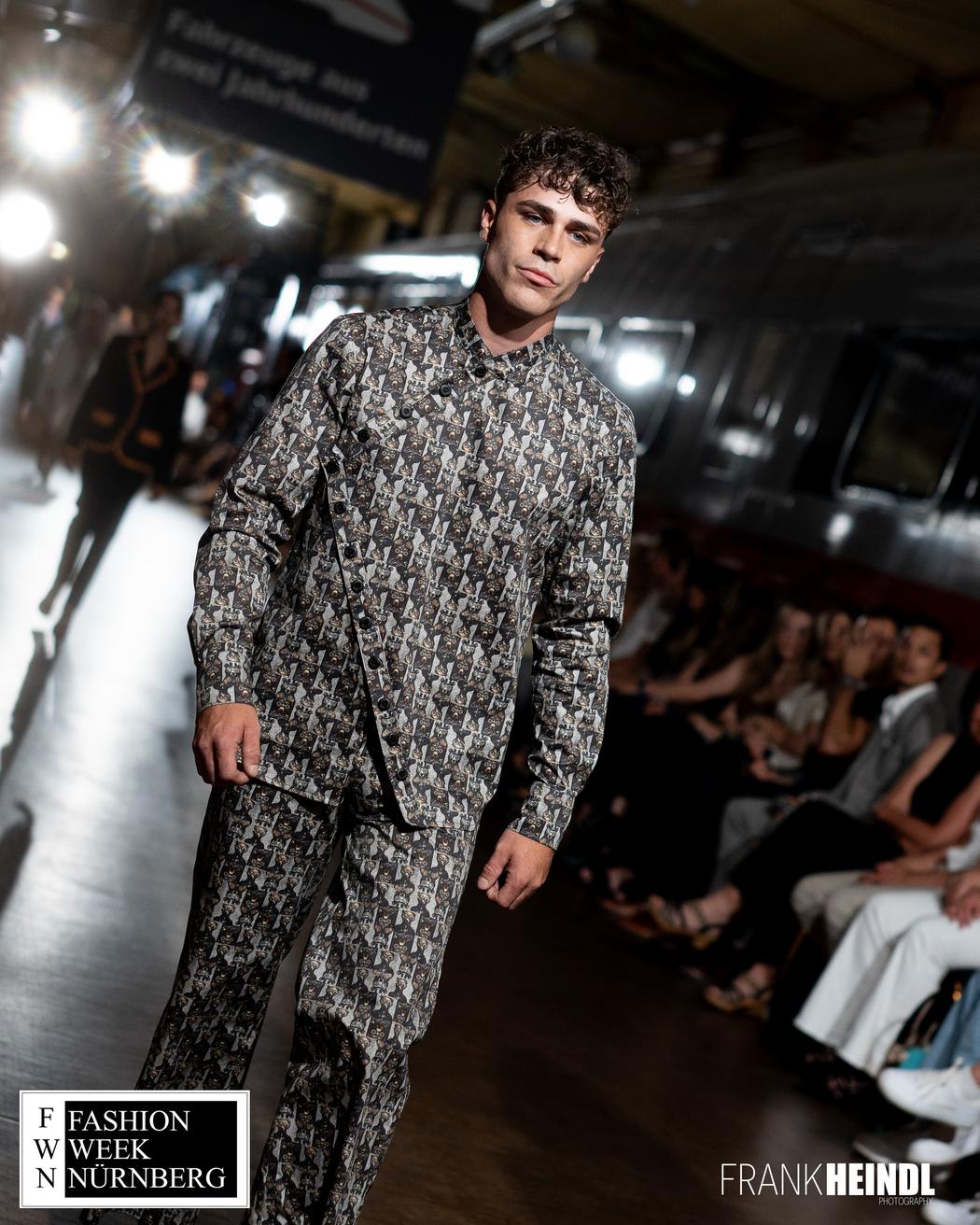
You began sewing alongside your mother at a very young age. What do you remember most about those early experiences, and how do they continue to influence the way you design today?
She used to be very sophisticated and feminine and sewn for herself retro dresses with long, swirling skirt part, and very toned in the upper body. I found it too girly. I felt myself stronger and I was doing a lot of sports, so my understanding of feminine was different then hers. This still influences me today, I translate classic, soft silhouettes into more urban, more modern, strong-female looks.
You describe your personal style as having gone through several phases before becoming increasingly eccentric. How would you define your current design language?
My current designs are combining extravagant, punk elements with vintage and retro styles. I love to mix the unthinkable, always something very old and very new together. I think this is the essence of my philosophy. My motto: Trends are temporary, but style is timeless.
Before establishing your own label, you built a career with prestige and luxury brands including Clinique, Shiseido, and Tom Ford. What did working within the luxury industry teach you about creating and positioning your own fashion brand?
I’ve learned a lot during my career and I’m thankful for all the experiences and different sights of each brand core. My lesson here was, that I wanted to position my brand an affordable, yet healthy choice in everyday clothing. Clothes are must for every day, we can’t avoid dressing up and fast fashion with their cheap quality and plastic-based fabrics are killing the planet. In my view everyone should wear comfortable, breathable pieces, that are good for the skin, good for the environment. To this core, I’m adding my spice and allow my customers to show-off their personalities, through my special designs.
You spent five years with Tom Ford and eventually managed twelve Northern European markets. Was there anything from that experience that particularly changed the way you think about luxury, customers, or brand identity?
Belonging to Tom Ford was like belonging to the royal family. It is a once-in-a-lifetime experience. I’ve learned a lot, how he translates his own experiences into products and how to connect them with the customers own’s stories. Luxury is not just a high price-tag, it’s a lifestyle, it’s story-telling, it’s heritage and also personal touch and personalized details for each customer. This deep caring for each customer I brought to my own brand and my customers know, from where I source my fabrics, where they are done (if not by myself) and they can wear them proudly, knowing it will last way longer than fast fashion, it can be altered if needed or passed down for someone else. For me transparency is the key.
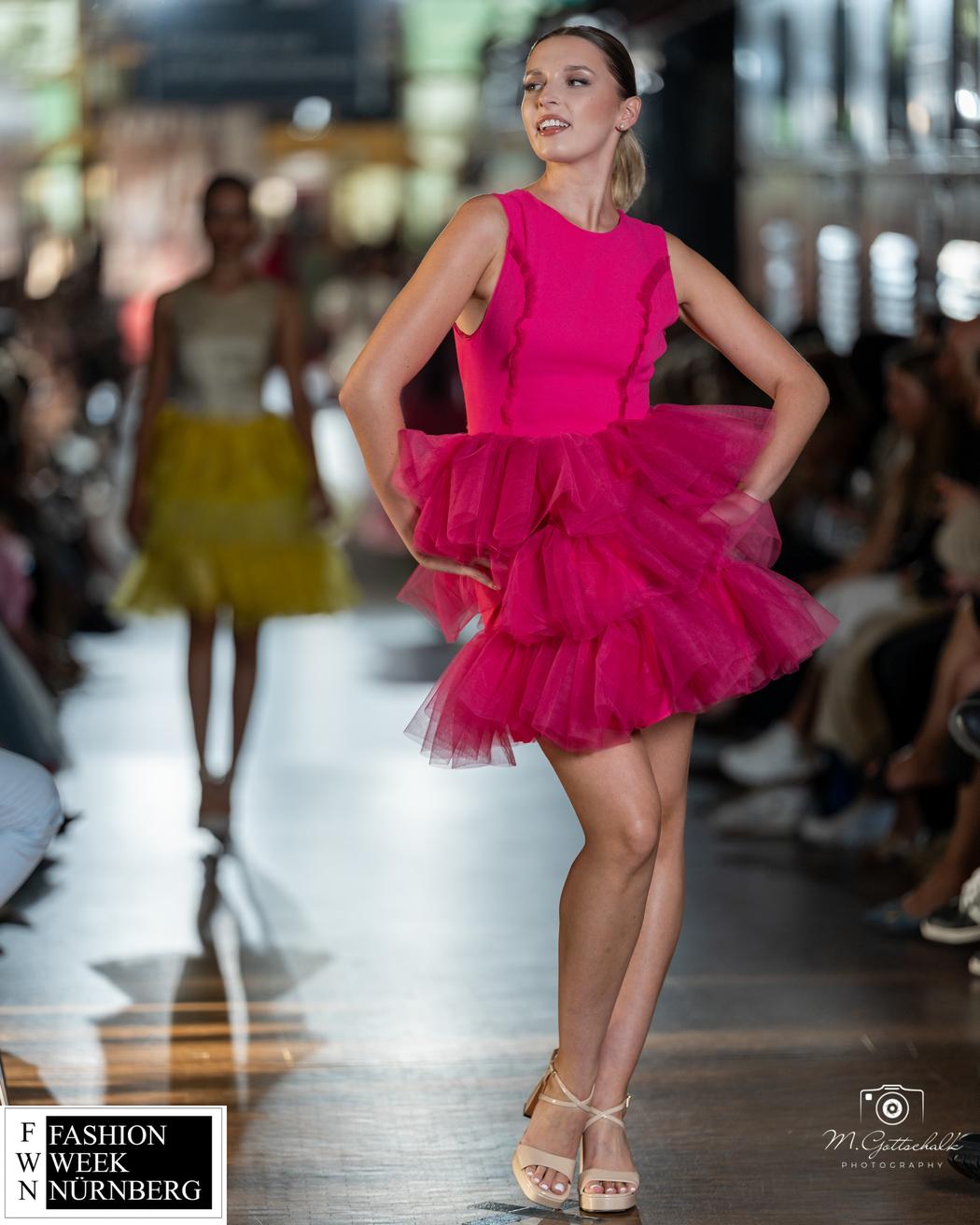
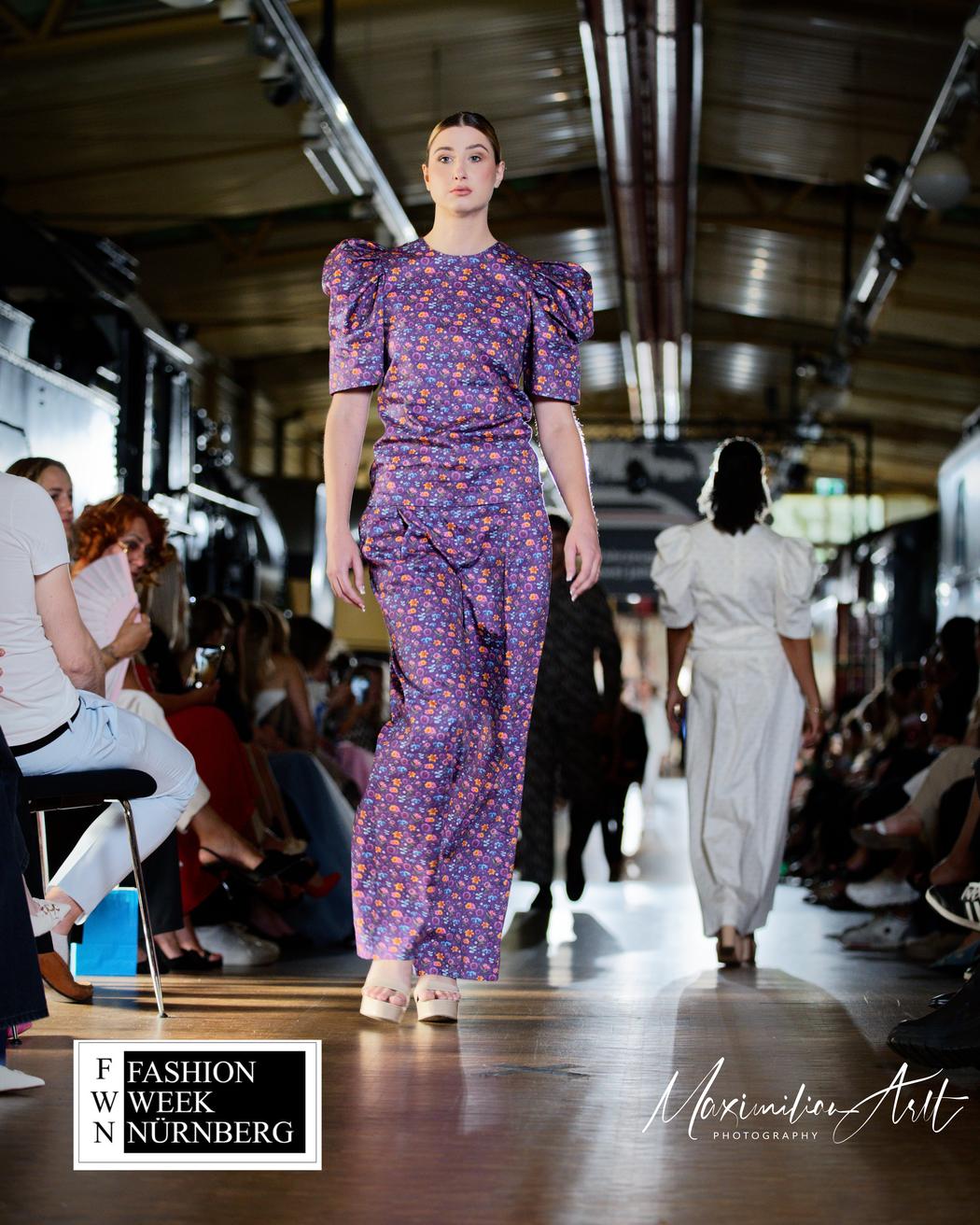
Your runway looks combine strong silhouettes, vivid colors, prints, tailoring, and highly feminine details such as ruffles and volume. How do you balance these different elements when developing a collection?
I guess it’s an inner compass, how I balance the proportions of each garment. I have a vision in my head, how I want a garment to look like, I imagine the story behind, what this design tells, what is persona and the rest is coming from ‘itself’. However I’m very obsessed with nature, especially flowers and probably I’m picking that ratio too.
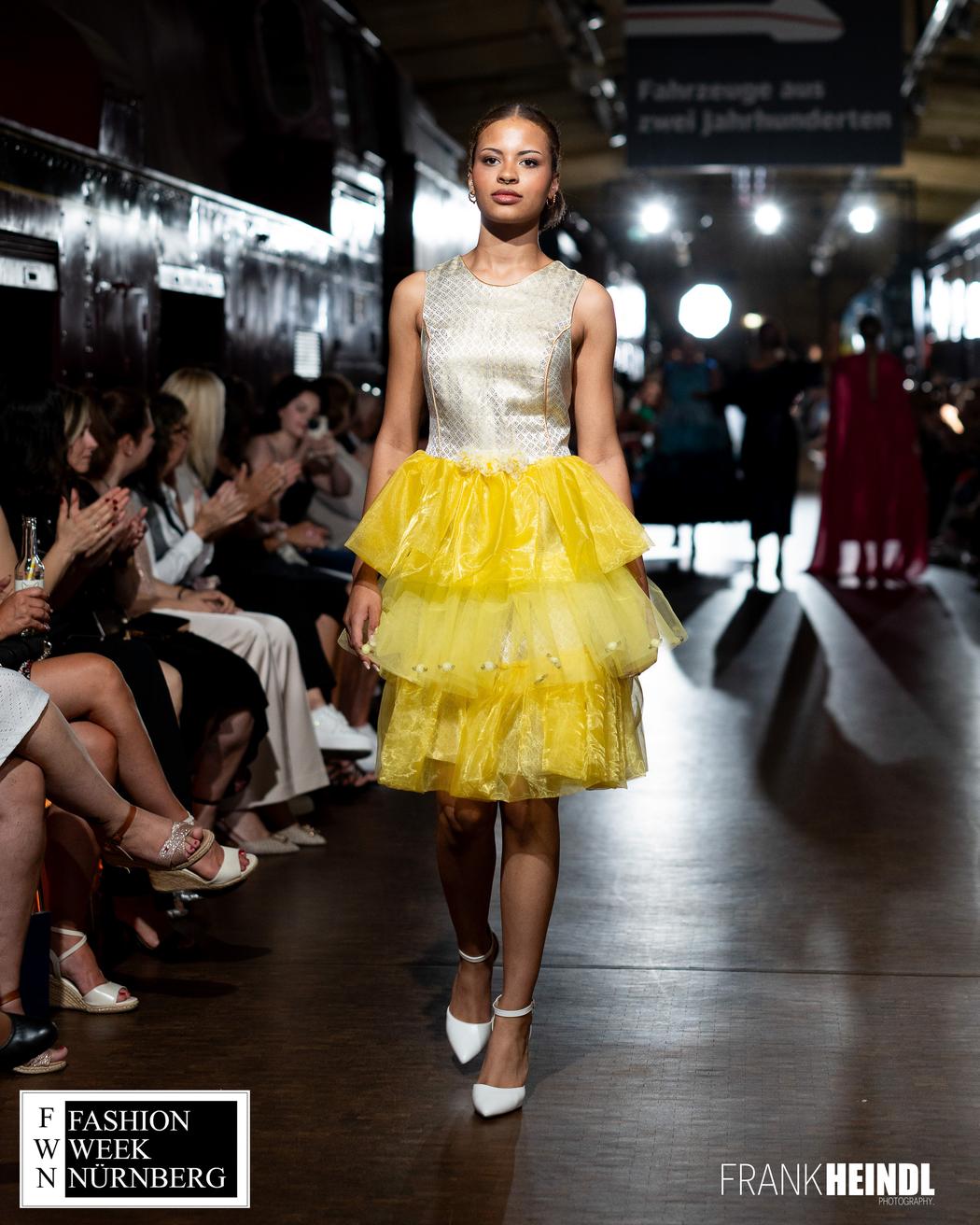
How does seeing your designs on models during a runway show differ from working with them in the studio? Does the presentation ever change the way you understand your own collection?
Yes, I have changed some collections, but already in the studio, before it went to the runway. When I see the ready pieces, I look at them individually and in the collection as whole and if something feels off, I remove them. That simple. Of course it causes extra work and for instance before the Fashion Week Nürnberg 2026 it caused some extra weeks relentless work day and night to replace the pulled out pieces, but it worth the work, definitely. Once a collection is truly ready as per my vision, then it goes to the shows.