
Xilichen Hua: Ecological Fable
Xilichen Hua: Ecological Fable
by Anna Gvozdeva
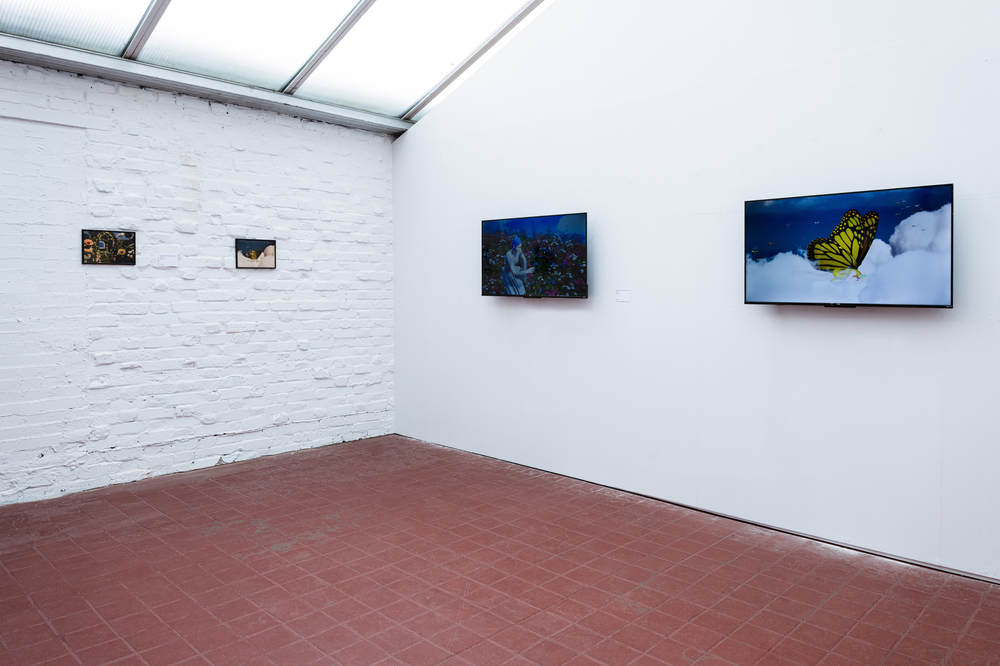
The exhibition Ecological Fable was successfully held at Apsara Studio in London from 23 March to 28 March. This exhibition focuses on the perceptual transfer and identity generation of female subjects in the natural world, and constructs an ecological narrative space between reality, dreams, and mythology through visual language.
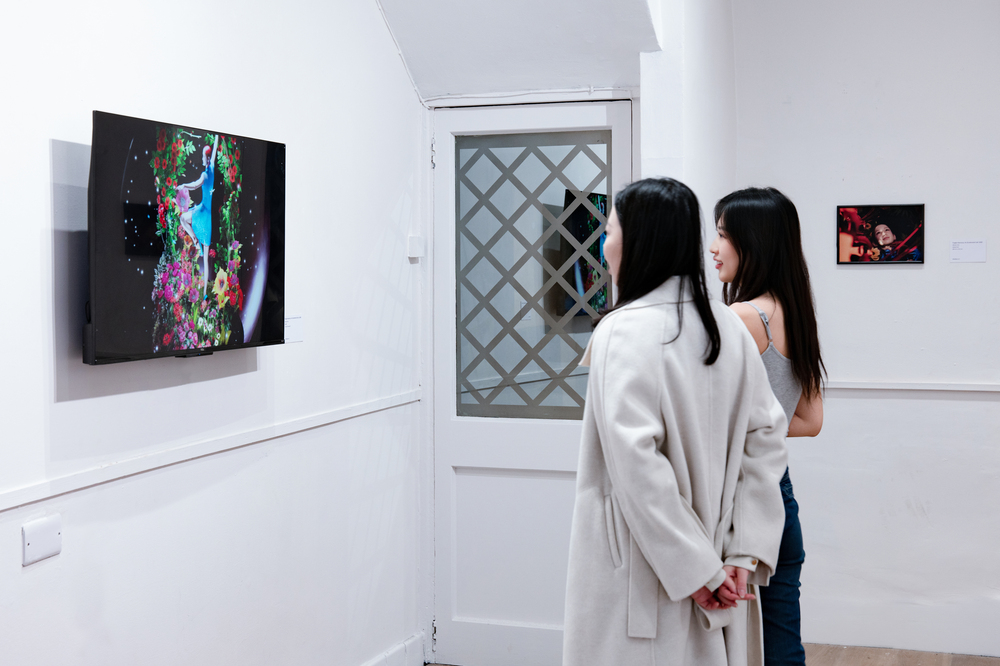
Fragile Harmony: An Ecofeminist Call, 2026. Installation view at Apsara Studio. Courtesy of the artist.
In the visual practice of artist Xilichen Hua, narrative often begins in a relatively enclosed internal space and gradually extends outward, forming a perceptual field constructed by plants and female bodies. With the advancement of images, a dimension of life between reality, dreams, and mythology gradually emerges, and the boundary between humans and nature is constantly reconstructed and negotiated within it.
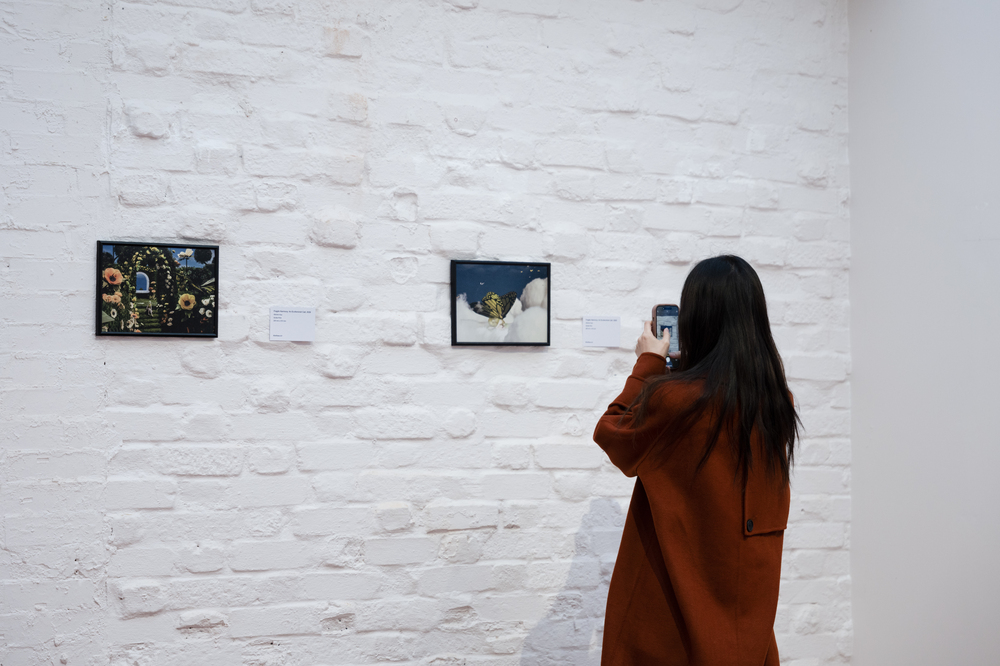
Fragile Harmony: An Ecofeminist Call, 2026. Installation view at Apsara Studio. Courtesy of the artist.
In this visual system, nature no longer exists solely as a narrative background but becomes an important participant in actively shaping perceptual structures. The female subject constructed by the artist based on herself travels in different natural environments, engaging in intimate interactions with flowers, insects, and vegetation. These scenes with fairy tale narrative characteristics simultaneously carry the poetic dimensions of mythology and allegory and re-examine the long-standing hierarchical relationship between humans and nature from the perspective of contemporary ecological thought and ecofeminism.
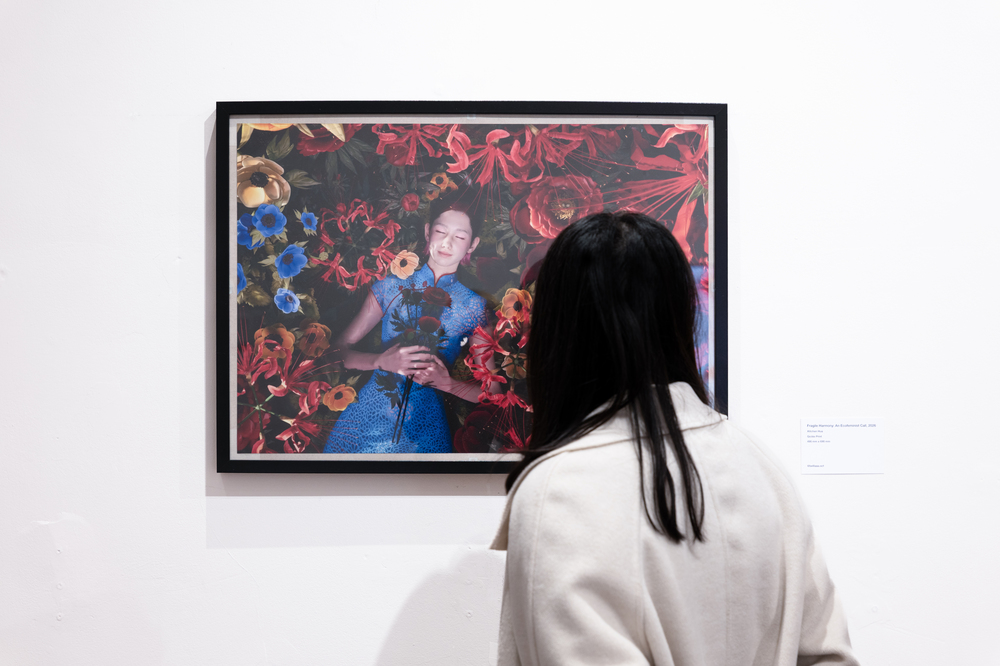
Fragile Harmony: An Ecofeminist Call, 2026. Installation view at Apsara Studio. Courtesy of the artist.
As an ecofeminism multimedia artist, Xilichen Hua’s creations revolve around the intertwined relationship between the female body, natural life forms, and perceptual experiences. Through visual media, she constructs a slow and flowing visual narrative structure, gradually loosening and dissolving the perception of time, space, and body. In the work, flowers, insects, and plants do not appear as decorative natural symbols, but as entities that share the same life logic with female subjects. They together form a ‘Living World’ – a highly permeable field of life where humans, nature, and imagination constantly blend to generate a constantly changing ecological network.
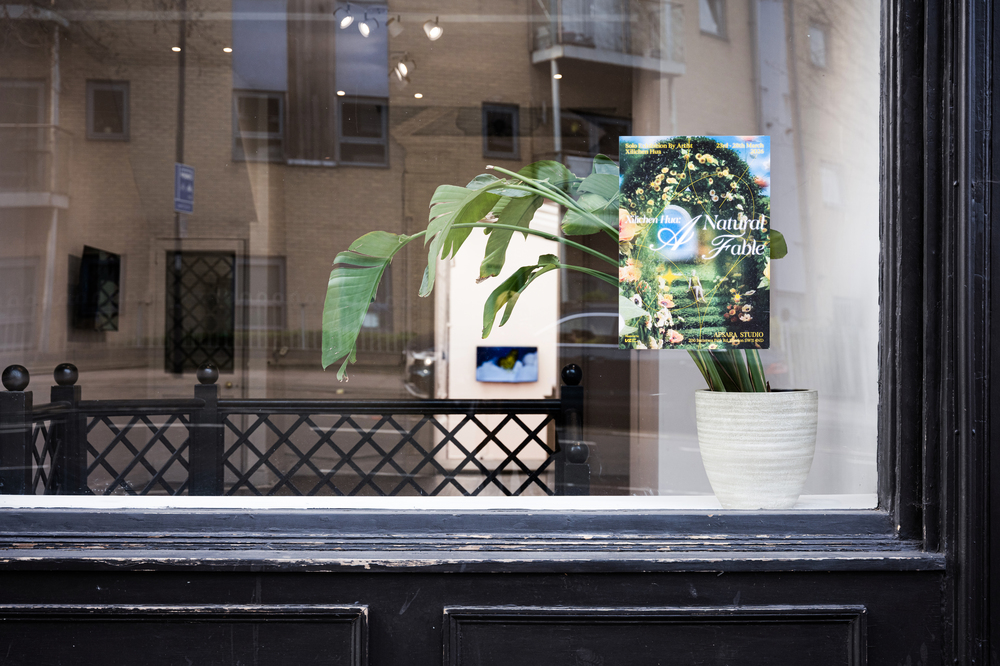
Fragile Harmony: An Ecofeminist Call, 2026. Installation view at Apsara Studio. Courtesy of the artist.
In these works, visual narrative unfolds from the inside out: a microcosm is slowly revealed and gradually extended into a flowing and uncertain natural universe. Artists present a delicate and fragile state of existence through audio-visual language that lies between fairy tales, ecological fables, and perceptual experiments, a constantly generating, reorganising, and evolving system of life relationships. The successful hosting of this exhibition provides the audience with an immersive ecological and perceptual experience, while further highlighting Xilichen Hua’s unique practice in contemporary visual art and ecofeminism.
Leave a Reply
You must be logged in to post a comment.