
Sylvianne Blum
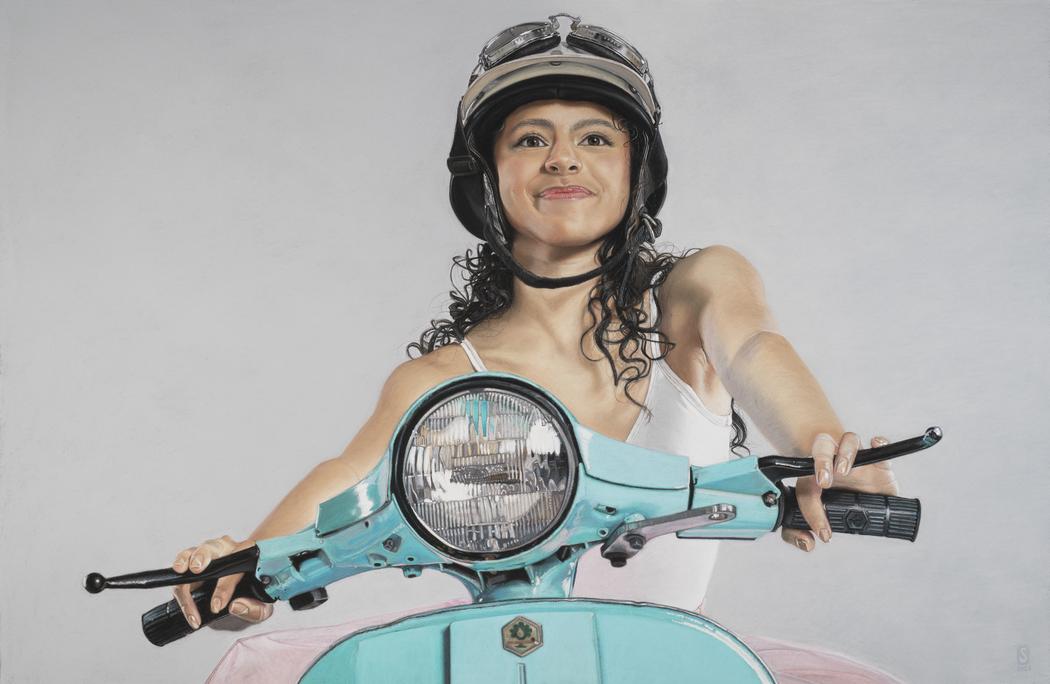
Your work demonstrates a striking level of realism using dry pastel. What initially drew you to this medium, and what challenges does it present?
I previously worked in oil painting, but I was always curious about soft pastel. When the opportunity to take a course arose, I embraced it—and from that moment on, I have not stopped. It has been a journey of several years, marked by continuous learning and dedicated practice to refine my technique. Even now, I remain a student; learning never truly ends.
Soft pastel is a unique and intimate medium. It places you in direct contact with the pure pigment and the surface of the paper, creating a deeply personal and immediate artistic experience.
You often photograph your subjects yourself. How does this process influence the final artwork compared to working from external references?
When I photograph my own subjects, I establish a much deeper connection from the very beginning of the creative process. I observe closely—it is not simply about capturing a beautiful image, but about shaping an intention. At times, in the studio, I can carefully choose the light and atmosphere with a very clear purpose; at others, I allow myself to be surprised by what life presents. I return to observing, analyzing, and envisioning the final work.
This process allows me to convey a more personal and intimate narrative. The emotion and energy of the moment are reflected in the final result. By contrast, working from external references can be equally valuable, but it involves interpreting someone else’s vision. When the image is my own, the work emerges entirely from my perspective, giving it a deeper sense of authenticity and coherence.
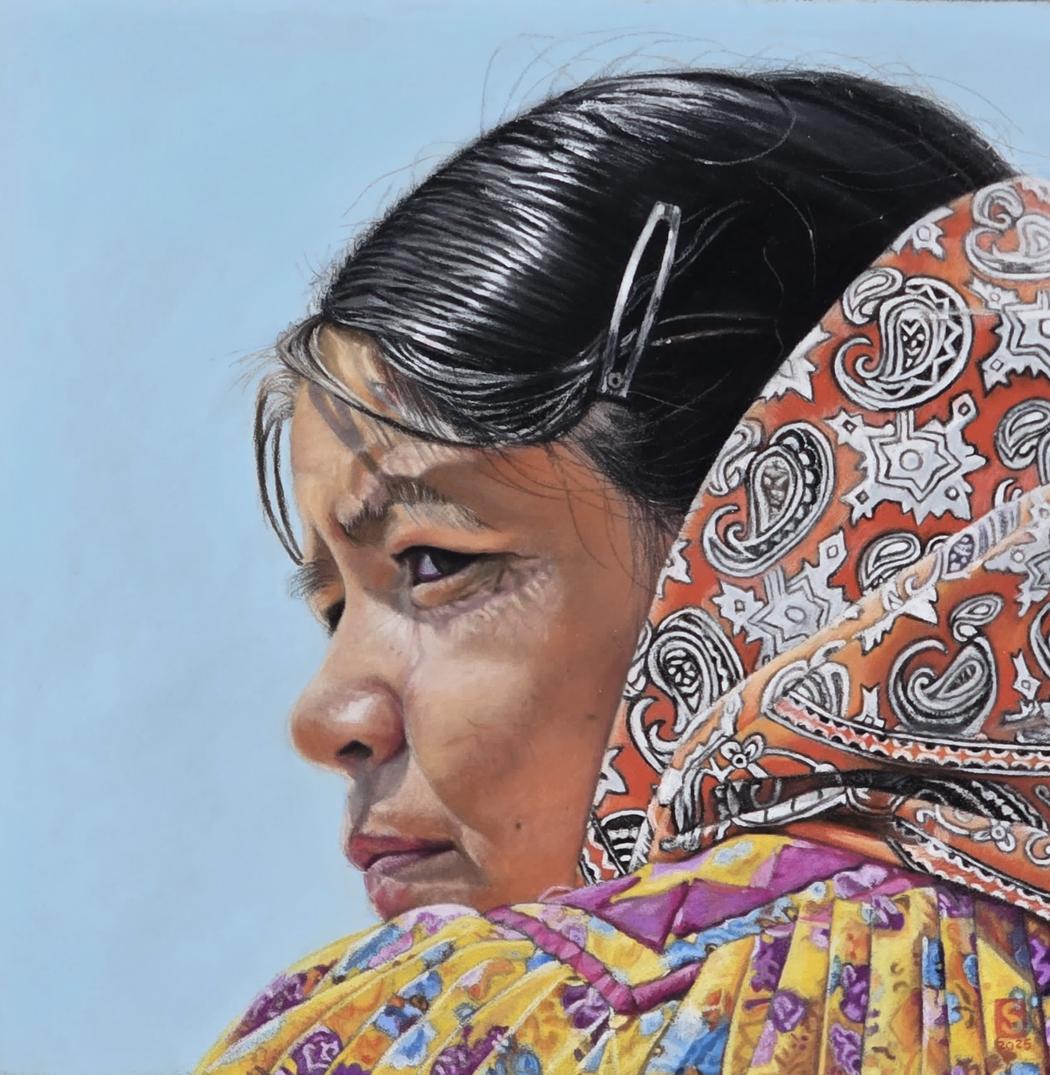
Many of your portraits capture people within their own environments. How important is context in telling the story of your subjects?
For me, the environment is an essential part of the story I want to tell. It is not merely a background, but an element that brings context, identity, and depth to the subject. The setting speaks as much as the person—it reveals details of their life, their culture, and their essence.
By placing people within their own environments, I seek to capture a more authentic truth. There is a natural connection between the individual and their surroundings that enriches the visual narrative and gives the work greater emotional strength.
In this way, the painting does not simply portray someone, but suggests a broader story, inviting the viewer to pause, observe, and connect beyond the image.
At the same time, I also find it meaningful to completely remove the background. In those cases, all the focus rests on the person: their gaze, their expression, and their presence gain a particular intensity. It is a way of distilling the image to its essence, emphasizing what is fundamental and creating a more direct and powerful connection with the viewer.
Your use of color is both vibrant and precise. How do you decide on the color palette for each piece?
I do not rely on a fixed palette; instead, I allow each image to guide my choice of color. The tones emerge organically from what I observe and from the atmosphere I want to convey.
I work with a variety of soft pastel sticks and pencils from different brands, building the surface through layered applications. As the piece develops, I respond intuitively—selecting colors based on the texture I aim to represent and the subtle tonal variations I perceive.
In this way, color becomes both a responsive and deliberate element in my process, balancing precision with a sense of spontaneity.
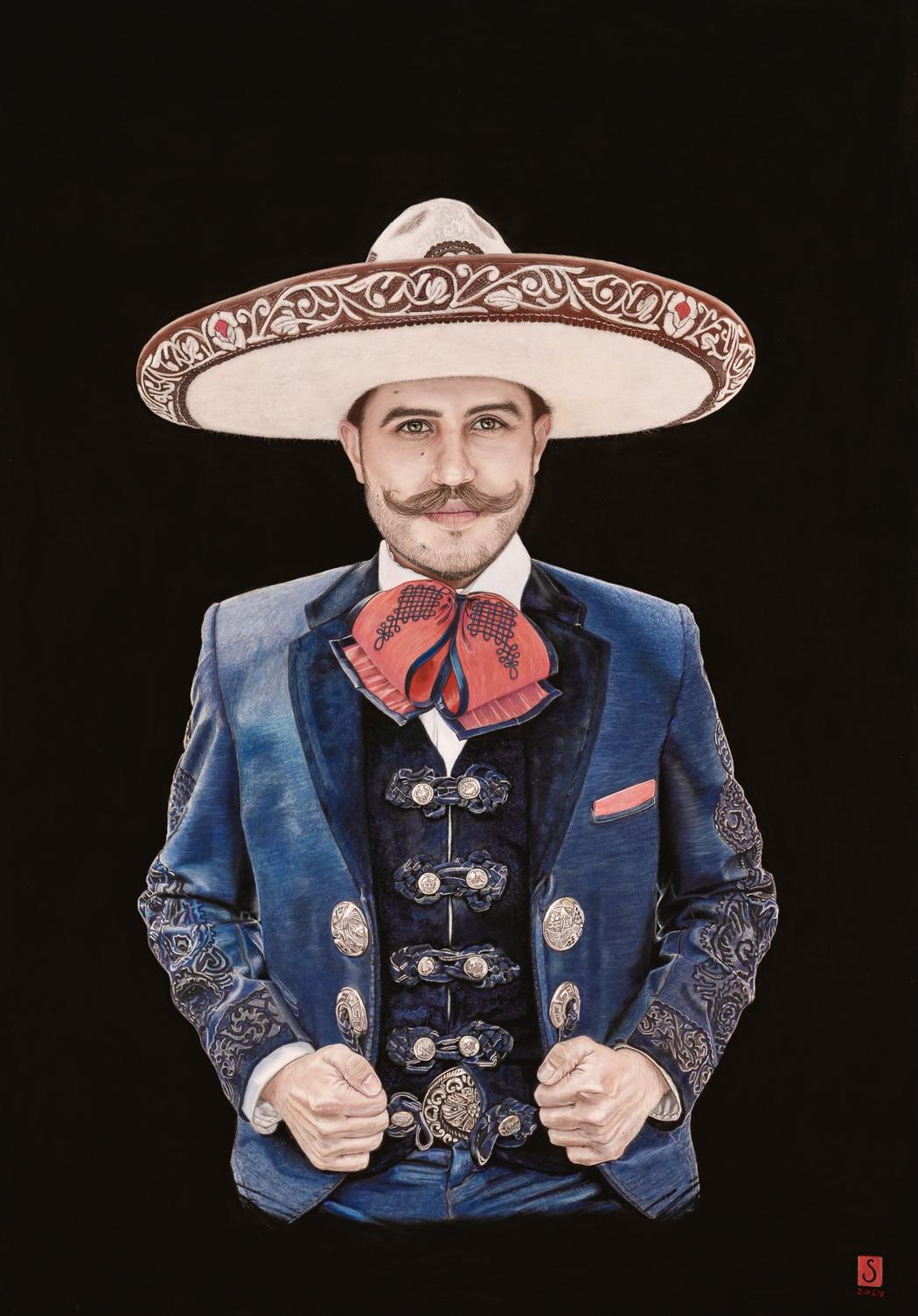
What do you look for in a subject before deciding to create their portrait? Is it emotion, story, visual character, or something else?
Before deciding to create a portrait, I pay close attention and try to feel what the image will convey. I am drawn to a combination of elements rather than a single one. Emotion is often the first connection—it is what allows me to feel something genuine and worth translating into a painting. But I am equally attentive to the story behind the person and to their visual character: their expression, their presence, and the subtle details that make them unique.
I look for an authenticity that goes beyond appearance, something that suggests a deeper narrative. Sometimes it is a quiet intensity in the gaze; other times, it is the atmosphere surrounding the subject or a fleeting moment that feels meaningful.
Ultimately, it is an intuitive process. When these elements come together and resonate with me, I know there is a portrait waiting to be created.
Travel and meeting new people seem to play a role in your practice. Can you share a particularly meaningful encounter that influenced your art?
I am deeply inspired by traveling and encountering new people and traditions. The way people dress, their celebrations, their food, and their way of life are expressions passed down through generations—each community carries its own unique identity. Traditions are essential, as they shape the spirit and cultural essence of a place.
One particularly meaningful encounter took place in the Sierra Tarahumara, in northern Mexico. I approached a young Rarámuri girl, and after spending some time speaking with her, I asked for her permission to photograph her. She smiled, said yes, and began to pose. We formed a very special connection in that moment.
At one point, she suddenly jumped forward and embraced me. It was a completely spontaneous and genuine gesture—one I will never forget. That brief encounter stayed with me, not only as a memory, but as a reminder of the profound human connection that can exist beyond words.
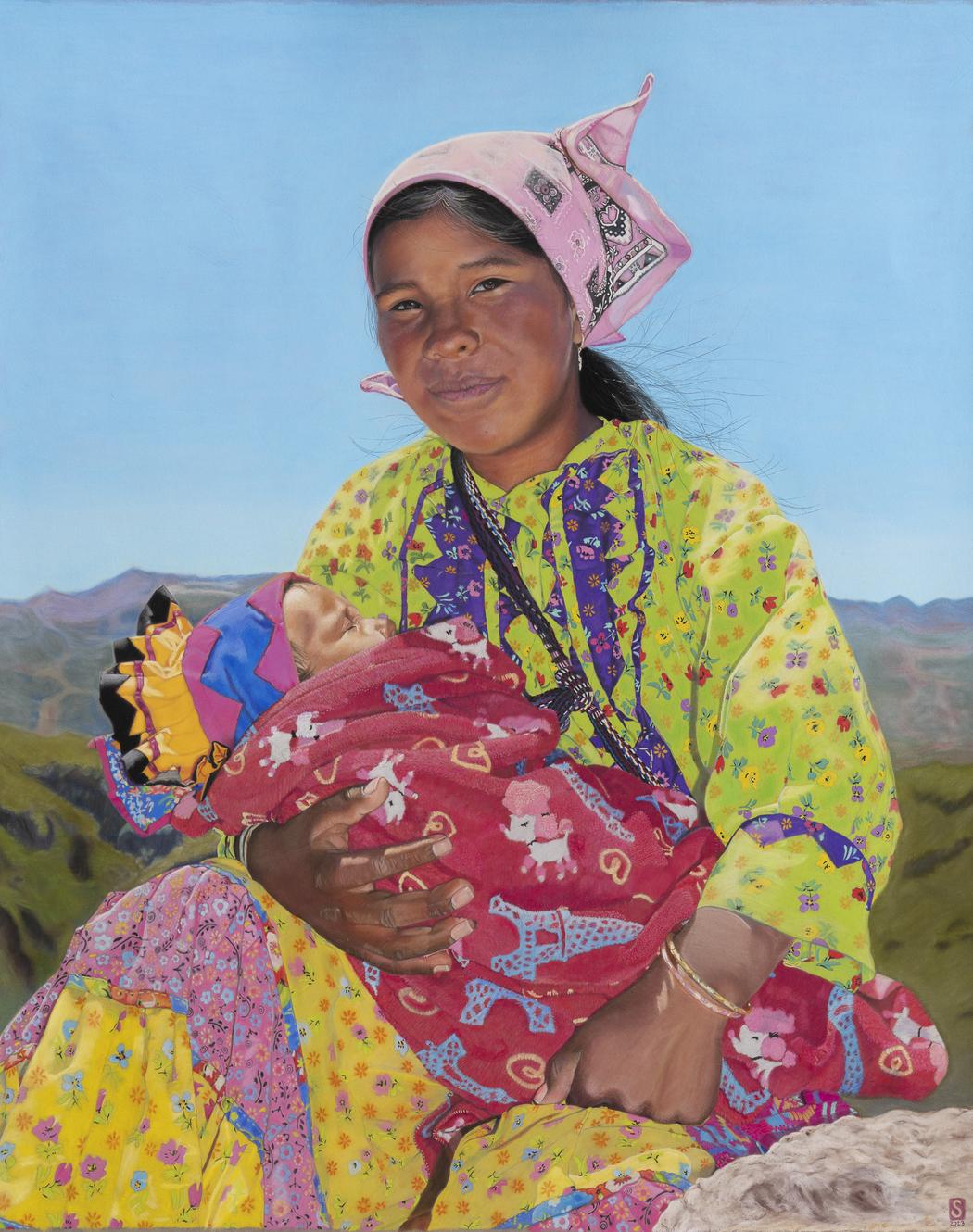
What emotions or reactions do you hope viewers experience when engaging with your portraits?
I hope, first and foremost, that the viewer pauses in front of the work. It is often the colors, textures, and details that initially draw them in—elements that invite a closer look and create a moment of stillness.
From there, I hope the gaze becomes a bridge. The eyes of the subject can create a connection that goes beyond the surface, allowing the viewer to engage on a more emotional level. It is in that exchange that something deeper can happen.
Ultimately, I wish for the work to evoke a feeling or a sensation—something personal and intangible that resonates with each viewer in their own way.
Leave a Reply
You must be logged in to post a comment.