
Tatayna Chizh
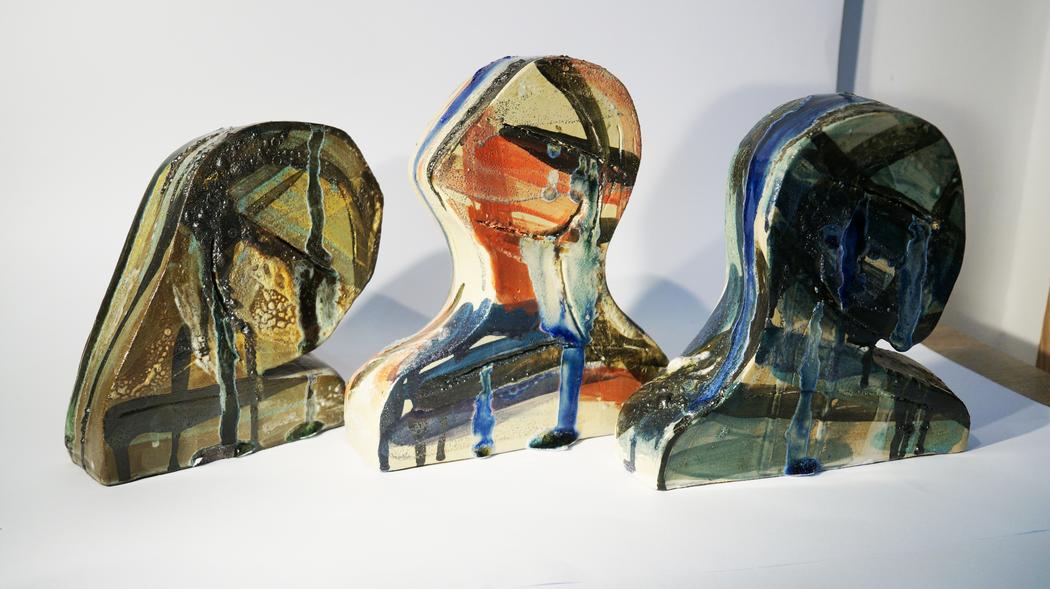 Tatayna Chizh | Faceless | 2026
Your work explores how memory and identity become inscribed in material. When did you first become aware of clay as a medium capable of holding these traces?
It didn’t happen in a single moment.
I just noticed that clay doesn’t forgive — it keeps everything: pressure, hesitation, unnecessary movement.
At some point it became clear that these are not flaws, but a language.
That’s when I began to feel that the material can hold not only form, but also the state in which it was made.
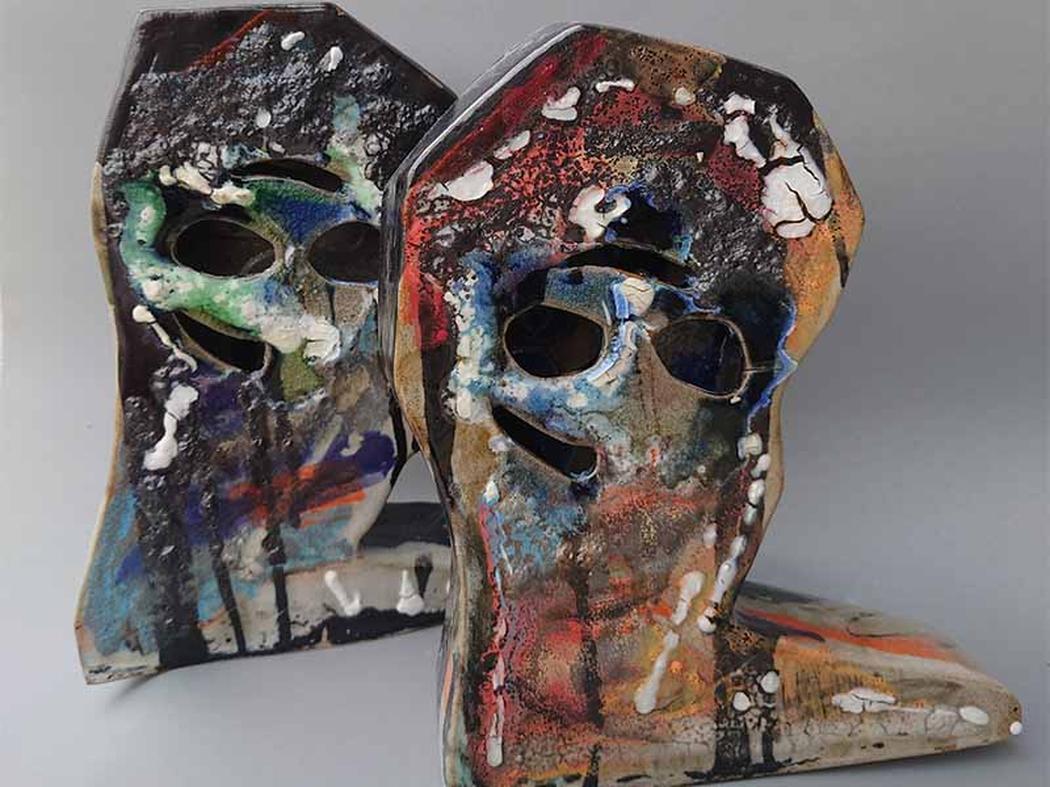 Tatayna Chizh | Faceless | 2025
You transitioned from a career in marketing and advertising to fully dedicating yourself to art. How has this shift influenced your artistic language and way of thinking?
Marketing taught me to think in structure and precision — to understand how attention works and how it can be directed.
But at some point it became more important for me not to control perception, but to leave a gap in it.
In art, I still think through logic, but I use it to open meaning rather than to close it.
Many of your works seem to carry a sense of pressure, distortion, or transformation. Is this something you consciously construct, or does it emerge intuitively during the process?
It feels more like a conversation with the material than a predefined result. There is a sense of pressure that everything begins with. After that, the form starts behaving on its own.
Sometimes I hold it, sometimes I let it go.
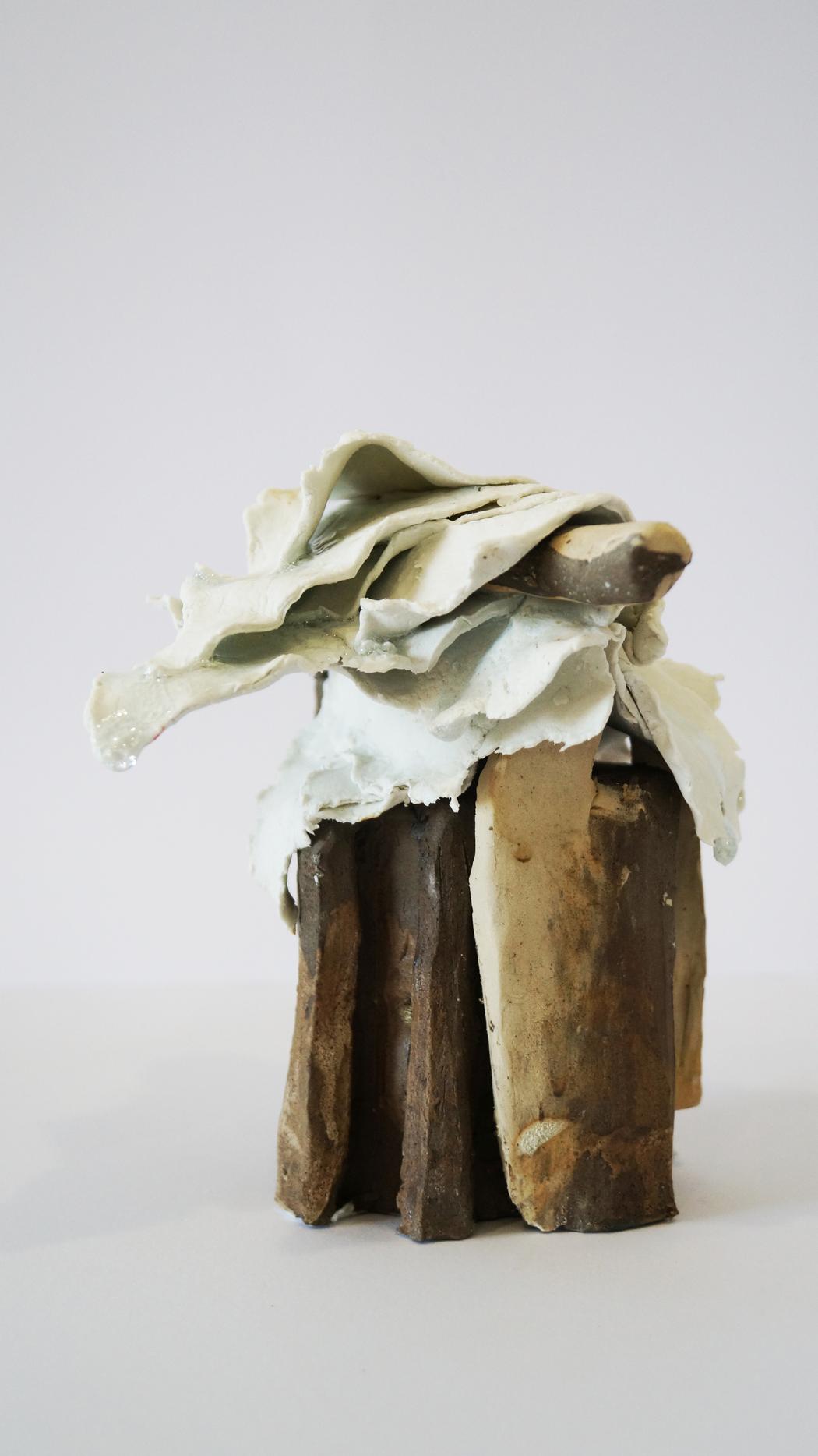 Tatayna Chizh | Fragment | 2025
Can you describe your relationship with chamotte clay and porcelain? What draws you to these materials specifically?
What matters to me is their contrast.
Chamotte is about weight, resistance, about holding.
Porcelain is about fragility, light, almost disappearance.
When they meet in one piece, a tension appears that interests me — as if strength and vulnerability exist within the same form.
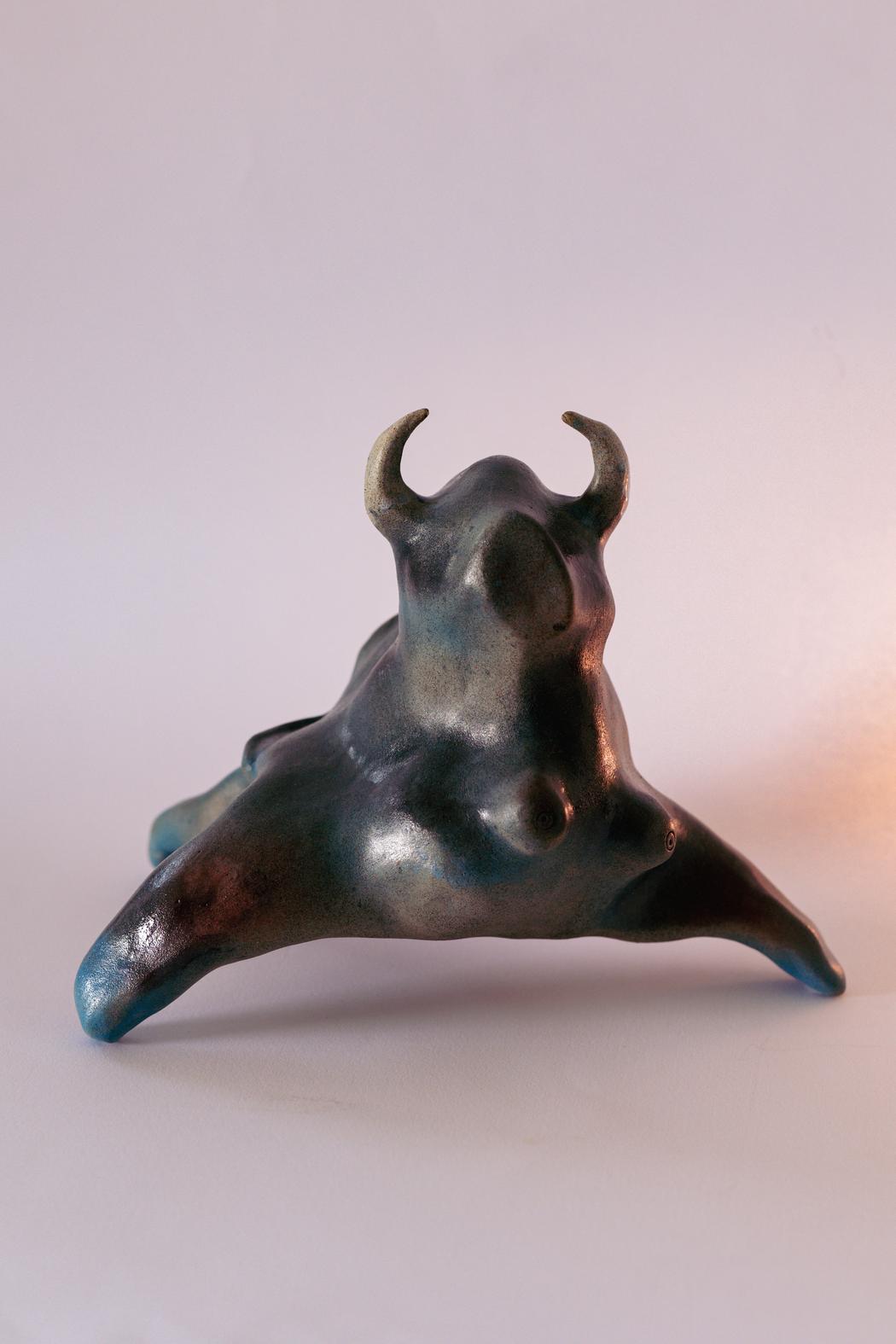 Tatayna Chizh | Minotaura | 2025
Since moving to Serbia and fully dedicating yourself to art, how has your environment influenced your work?
The move left a feeling of disconnection and instability.
When you find yourself outside your familiar environment, many things cease to be obvious—and this is very noticeable internally.
The works increasingly explore themes of distance, trace, absence, and memory.
This isn’t about a specific place, but about the state that arises when you almost coincide with reality.
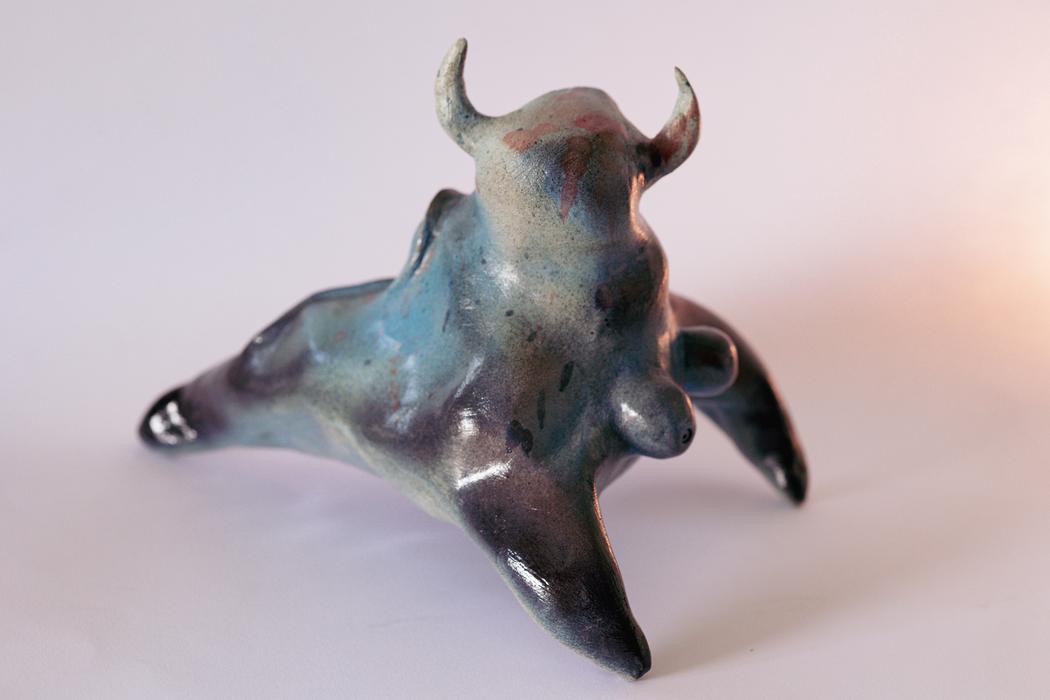 Tatayna Chizh | Minotaura | 2025
Your sculptures invite interpretation rather than delivering a fixed meaning. What kind of dialogue do you hope to create with the viewer?
I don’t want to fully explain the work.
It’s important for me to leave space where the viewer can enter with their own experience.
When a form is not fully defined, it becomes stronger — because everyone completes it differently.
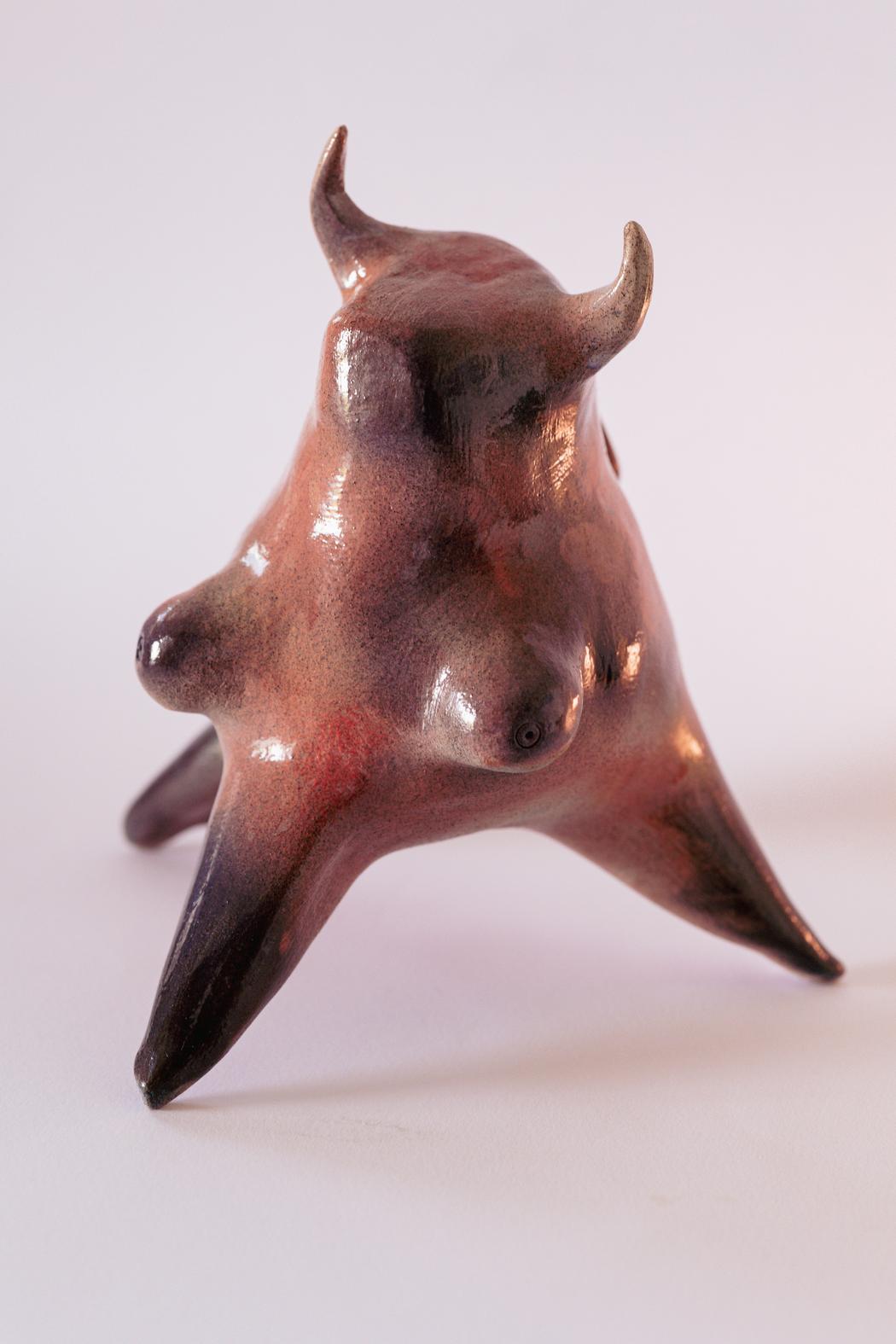 Tatayna Chizh | Minotaura | 2025
Do you approach each piece as part of a larger conceptual series, or does each work exist as an independent exploration?
I think in series.
Even if the objects can exist independently, they usually emerge within a shared investigation.
Each work is a variation, a shift, or a refinement, rather than an isolated statement.
Leave a Reply
You must be logged in to post a comment.