
TOVA
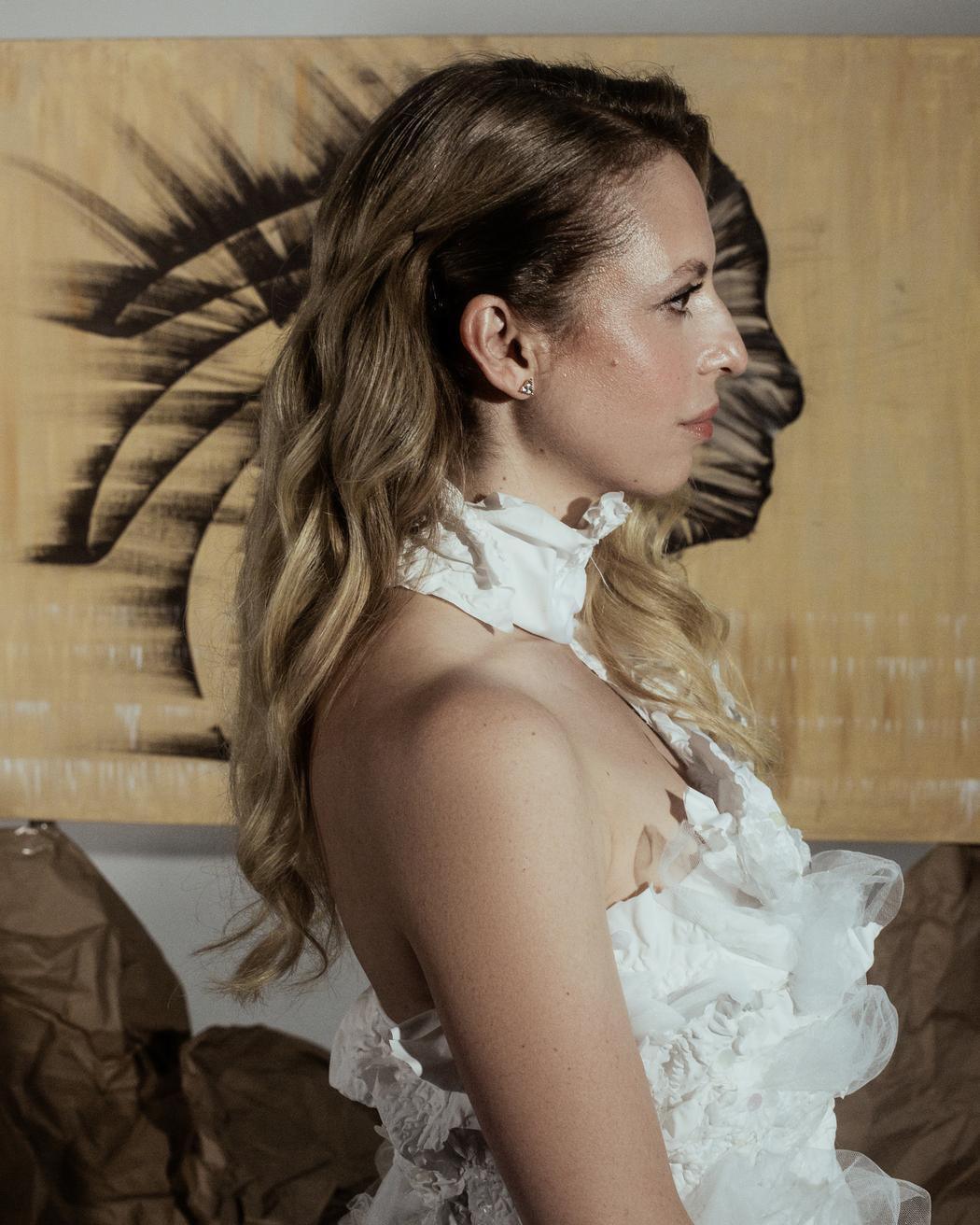
Your background bridges finance, research, and art. How does your PhD in Finance shape the way you construct visual narratives in your paintings?
My background in finance shapes my artistic thinking in several ways. Finance, at its core, is a social science; it studies human interaction through models and systems. In both my research and my art, I explore how people relate to structure: the invisible frameworks that guide emotion, decision, and connection. I’ve always been drawn to the tension between rational systems and the intuitive, emotional world that exists beneath them.
In my paintings, geometric forms and structured compositions meet emotional gesture and fluid color. This mirrors the relationship between science and art, reason and feeling, rule and freedom. As a scientist, I work with a language of precision and structure, while my art translates that language into emotion and form. The two practices are not in opposition; they inform, balance, and deepen each other.
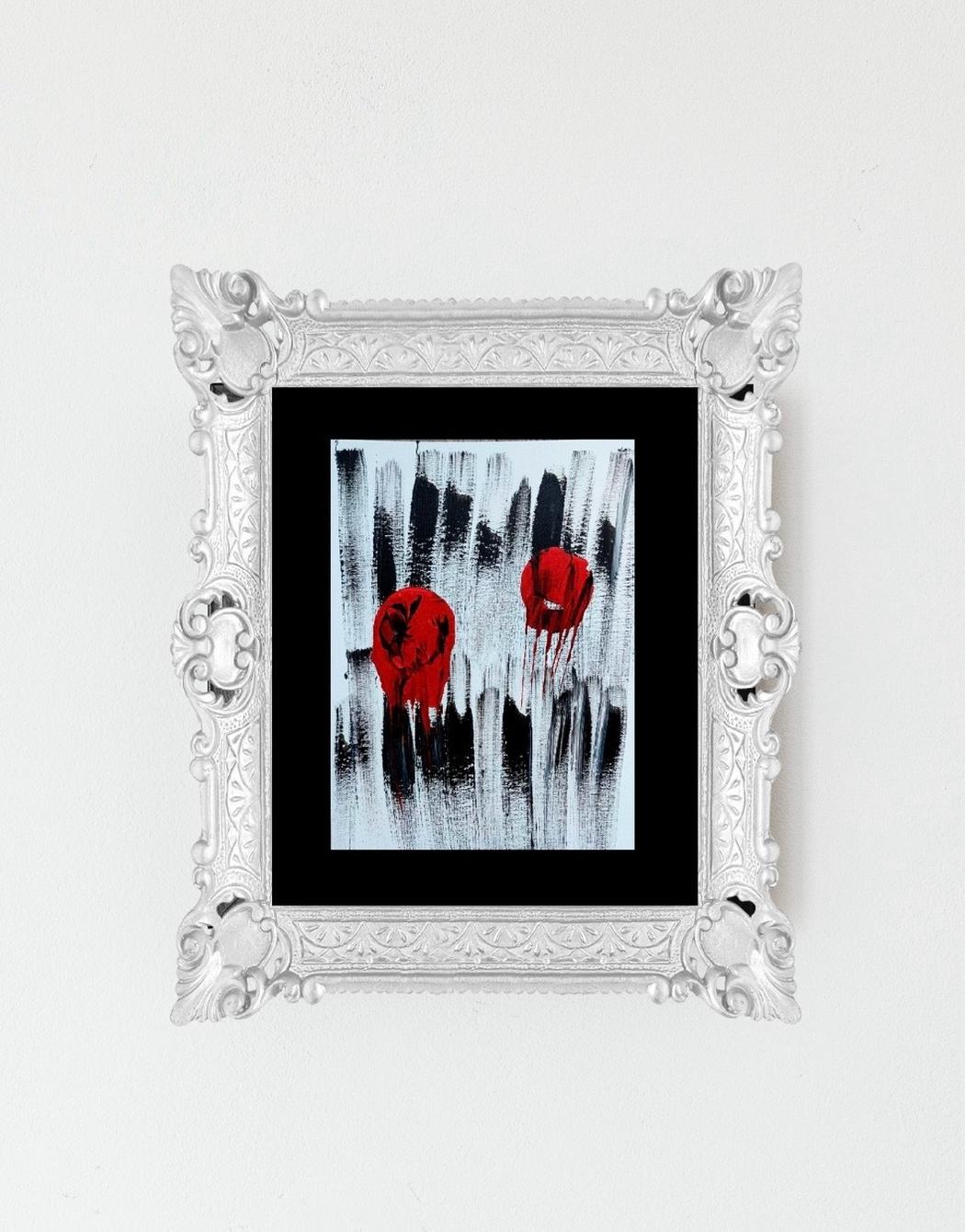 TOVA | Between us
In your statement, you speak about structure sustaining emotion without governing it. How do you negotiate this balance on canvas?
I work through rhythm and intuition. I begin with a structural framework of lines, geometric grids, or layered compositions, and then allow emotion to move through it freely. It’s a dialogue: structure provides the space, and emotion gives it breath.
Painting for me is a process of listening. I pay attention to when the form begins to feel too rigid or when emotion risks dissolving the structure. The balance is found not by control but by awareness, by knowing when to let go and when to return to precision.
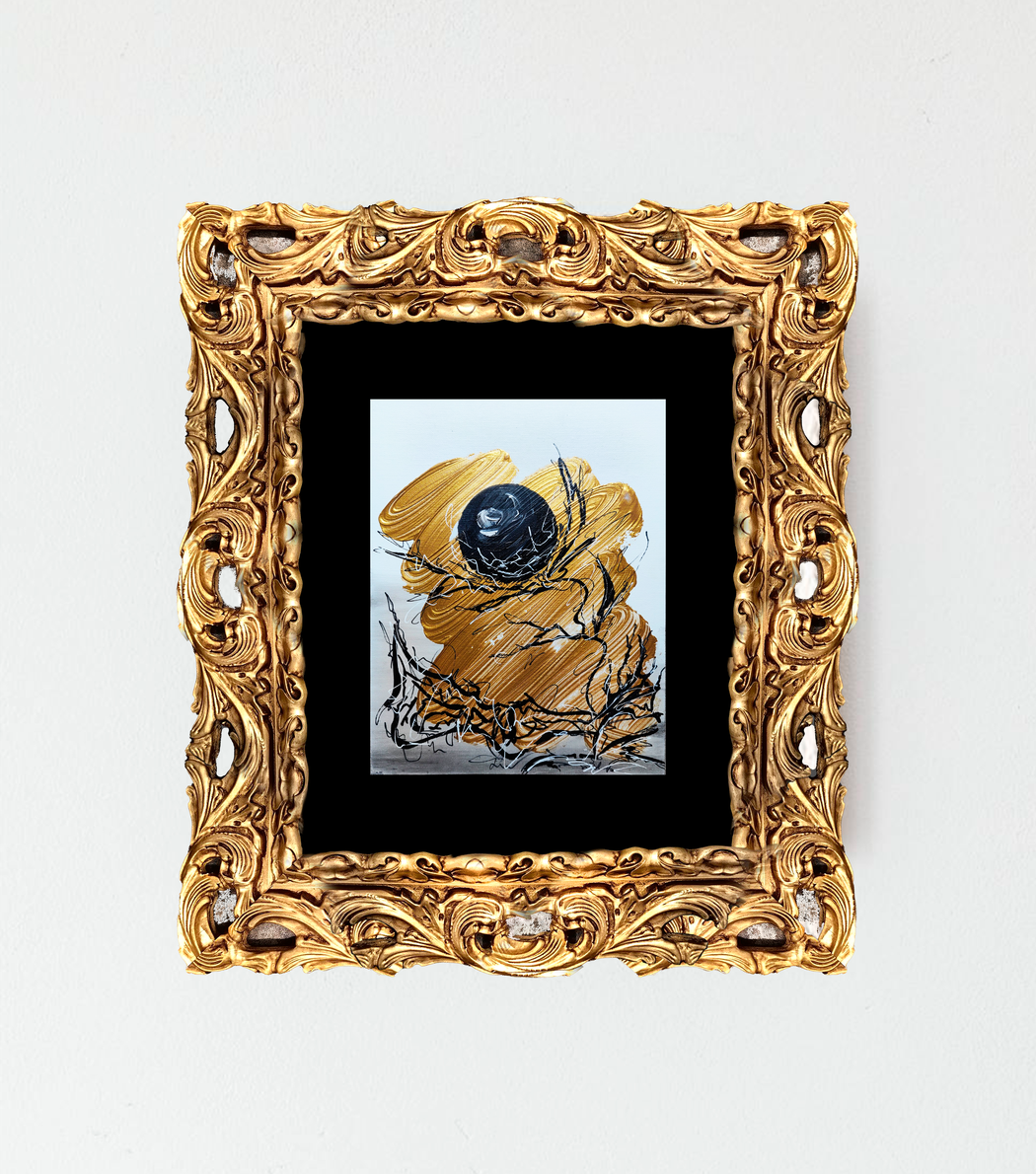 TOVA | Gold inside
Many of your works combine strong geometric frameworks with expressive, fluid forms. What draws you to this dialogue between control and spontaneity?
I’m drawn to the coexistence of opposites, the meeting point between order and movement. Geometry gives me a sense of stability, while fluid forms embody life, unpredictability, and emotion. Together they create a conversation, not a conflict.
This dialogue reflects human experience: we live between logic and feeling, discipline and freedom. My paintings are an attempt to hold both in the same visual field, to show that structure and spontaneity can coexist and even depend on each other.
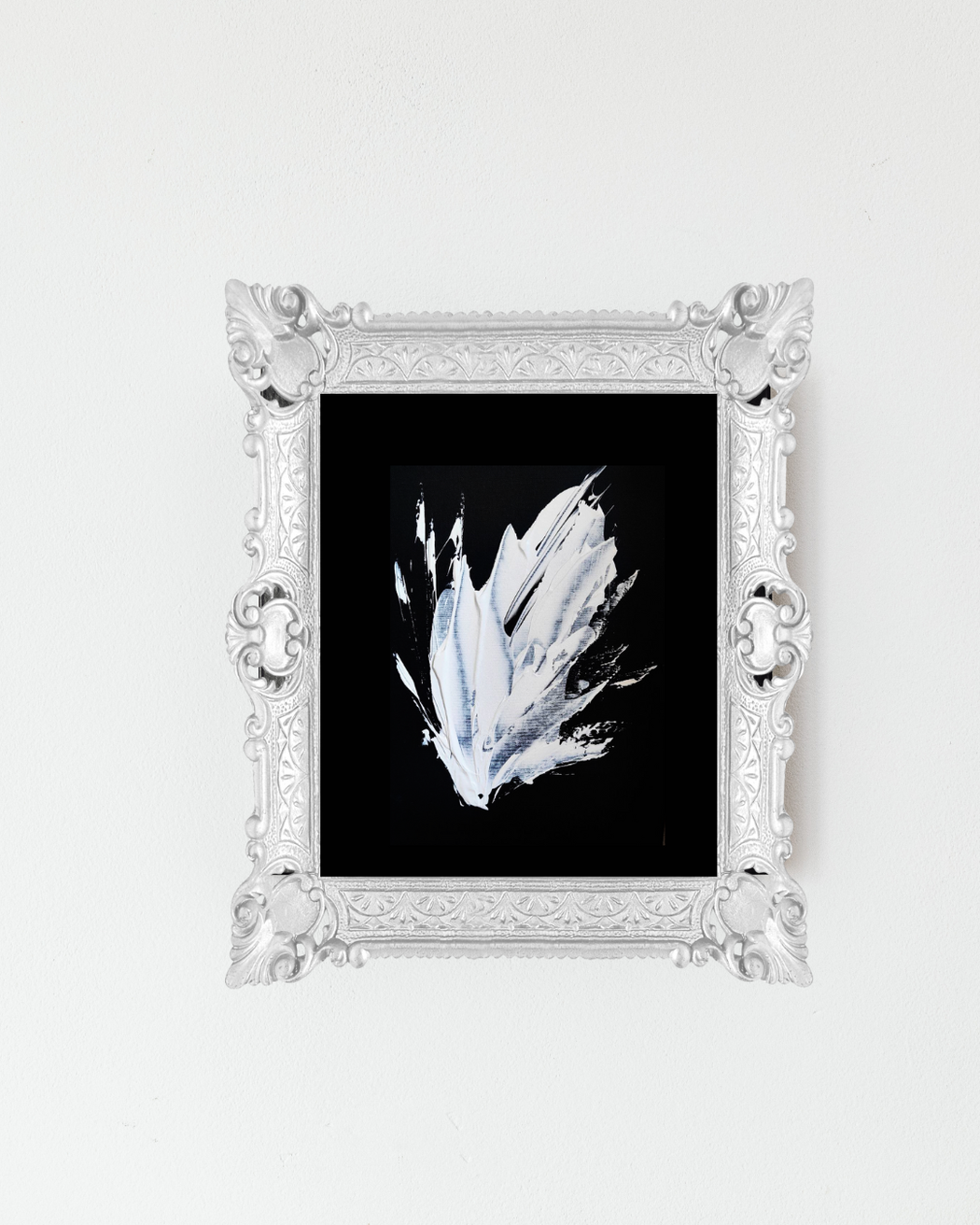 TOVA | HEART
The recurring use of stripes, triangles, and sharp lines suggests systems or boundaries. Are these forms symbolic of economic or social structures?
Yes, they often refer to systems and boundaries, the frameworks that shape how we interact, communicate, and live together. These forms speak about order, respect, and the patterns that define collective life. They mirror the social, economic, legal, cultural, and even familial structures that organize our existence, as well as the subtler frameworks we carry within? our habits, values, and unspoken rules.
Even details of everyday life – how we dress, speak, or move through urban space, reflect these invisible systems. In my paintings, stripes and geometric divisions acknowledge these boundaries while questioning them, asking how structure can protect without confining, and how freedom can exist within order.
Red appears in your work as both love and pain, flame and transformation. How do you approach color as an emotional language?
I experience color as something alive; each color has temperature, voice, rhythm, and emotional weight. When I paint, I speak with color almost as I would with a person. I ask how it feels that day: is it open or withdrawn, loud or quiet, warm or distant?
Red, in particular, holds contradiction; it can burn or heal, wound or awaken. I approach it carefully, allowing its intensity to guide me rather than dominate the work. Once I understand how a color wants to exist in a piece, I welcome it onto the canvas. This approach makes color not a tool but a collaborator in dialogue.
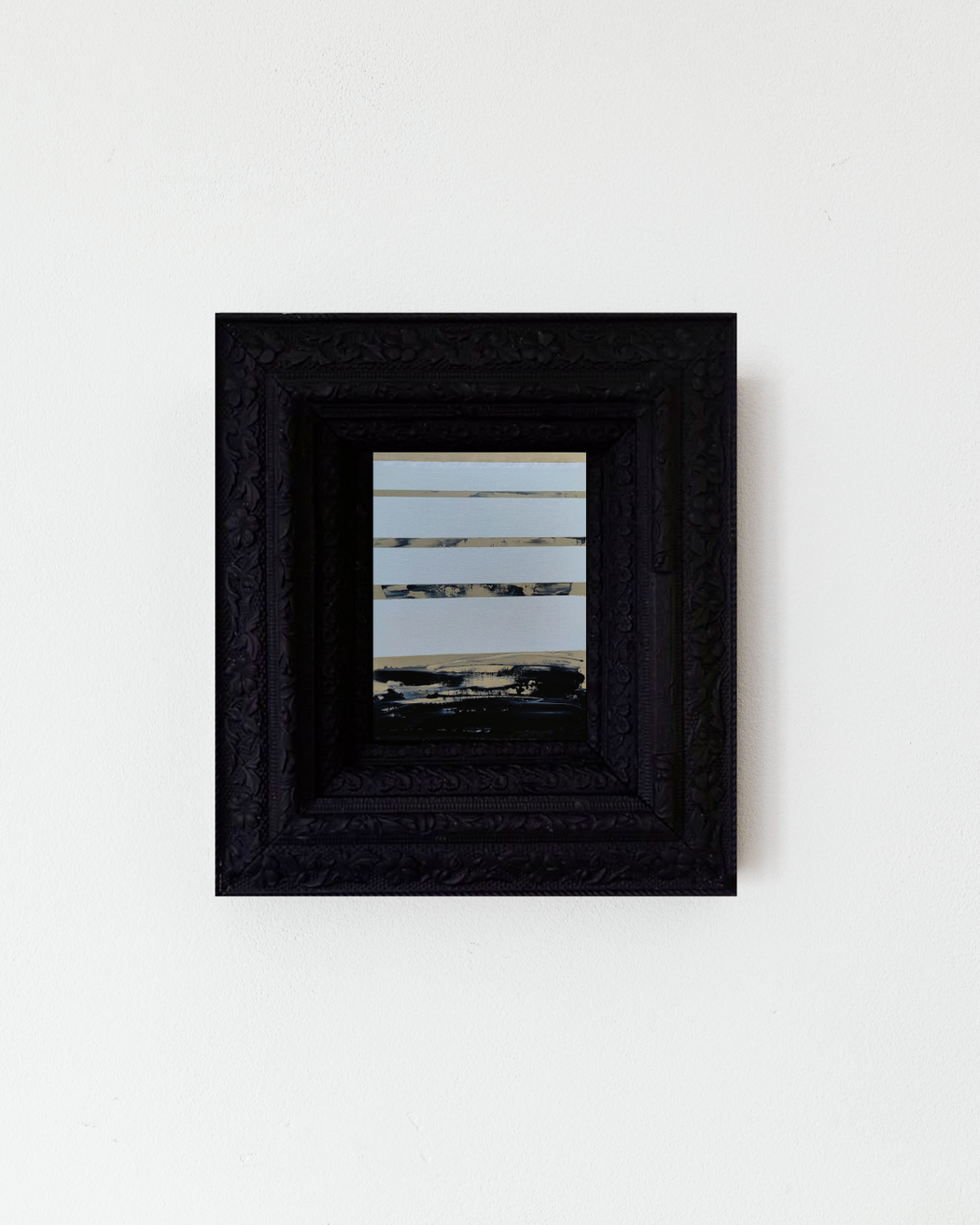 TOVA | Horizins of structure
Your practice includes painting, music, poetry, and live performance. How does sound or voice influence your visual compositions?
Sound and image are different languages expressing the same impulse. When I write music or poetry, I work with rhythm, pause, and tone. The same principles guide the visual composition of a painting. The relationship between them is organic; they move together like voices in a shared conversation.
In time-based works, sound gives emotion duration. It allows visual gestures to unfold through time, bringing presence and vibration to what might otherwise remain still. Music and painting live together, each extending the other’s world.
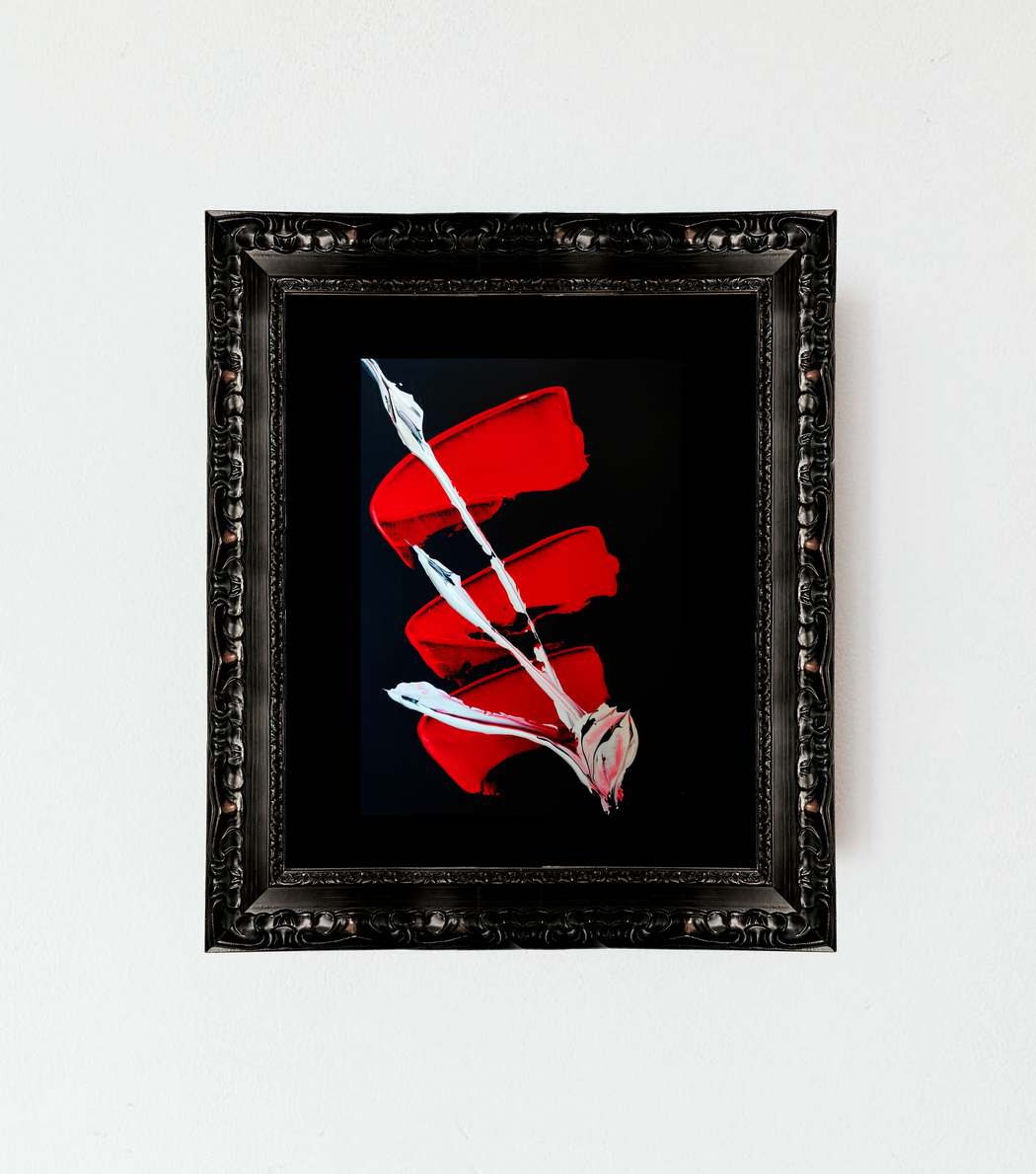 TOVA | Unhurried woman
Having lived between London and Dubai, how does geography inform your sense of space and atmosphere in your work?
I’ve lived in five countries and changed many schools and universities during my education, so movement and adaptation are part of my worldview. Living in multicultural environments taught me that perception is never singular. Humor, language, even the meaning of color differs from person to person.
This awareness shapes my work. I invite individuals from diverse backgrounds to discover their own interpretations and emotional responses within abstraction. My paintings are not about one story but about shared presence, an invitation for each person to meet the work through their own sense of space and emotion.
Leave a Reply
You must be logged in to post a comment.