Irina Need
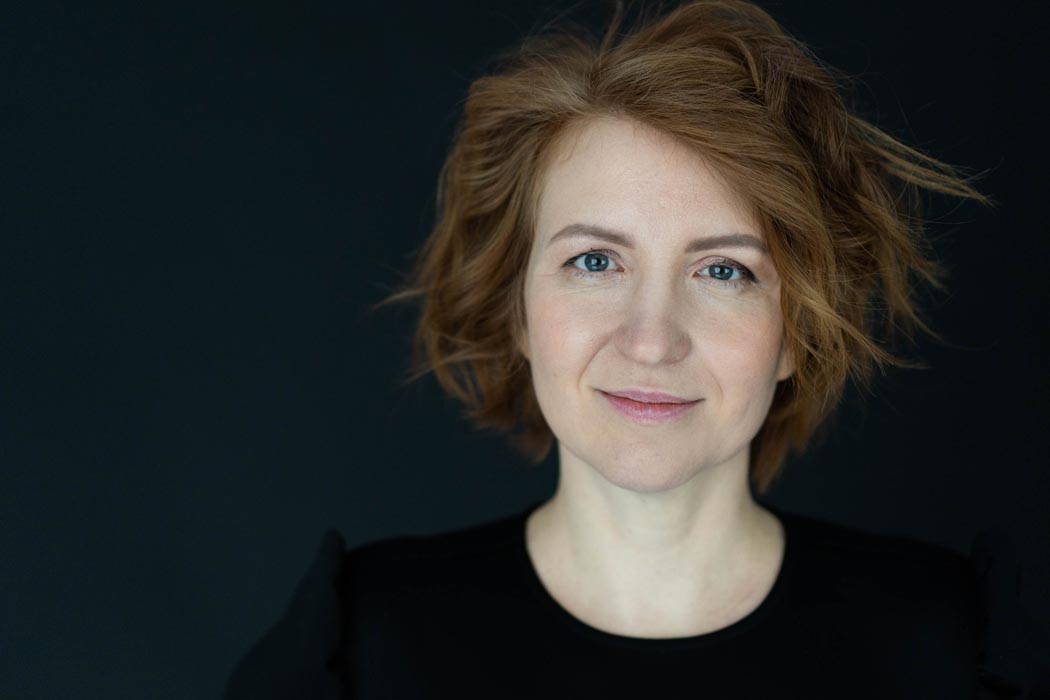
Growing up inside a theater environment, how did the language of performance and backstage life shape your visual thinking as a photographer and artist?
From childhood I was surrounded by the theater images and sounds, it helped me to develop a strong visual awareness very early. My mother was a sound engineer, so music was always present in my life. In my opinion music can reflect emotional states, and this deeply influences my work, especially in video art. It helps me create images, moods, and emotional atmospheres rather than just visual forms.
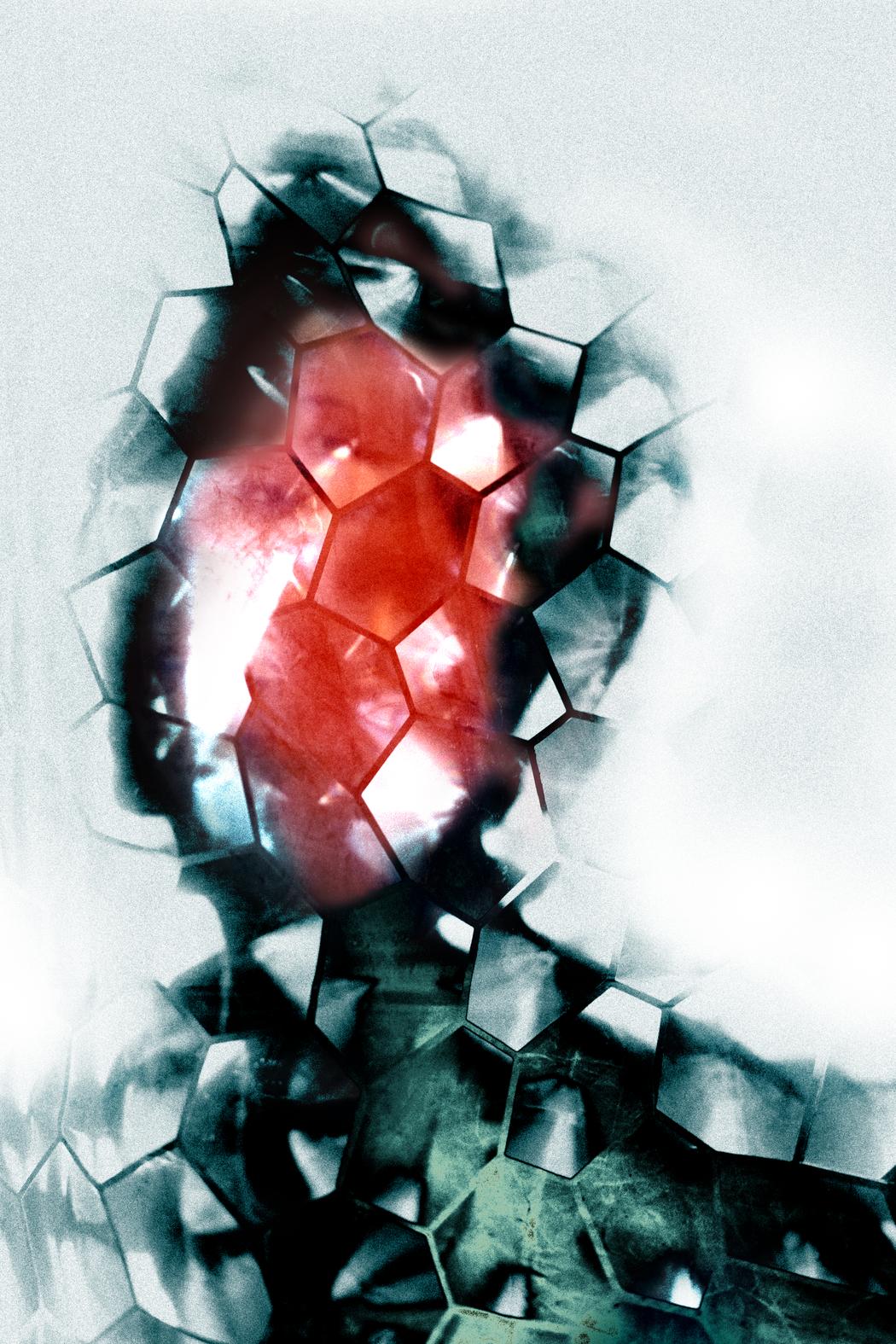
You describe the body as a “living story.” What draws you to the human form as a central subject in your surreal and abstract work?
It comes from my life experience. I believe that the body never lies. You can read a lot about a person through their body, even things they don’t know themselves or don’t want to talk about. The outer form always reflects the inner state.
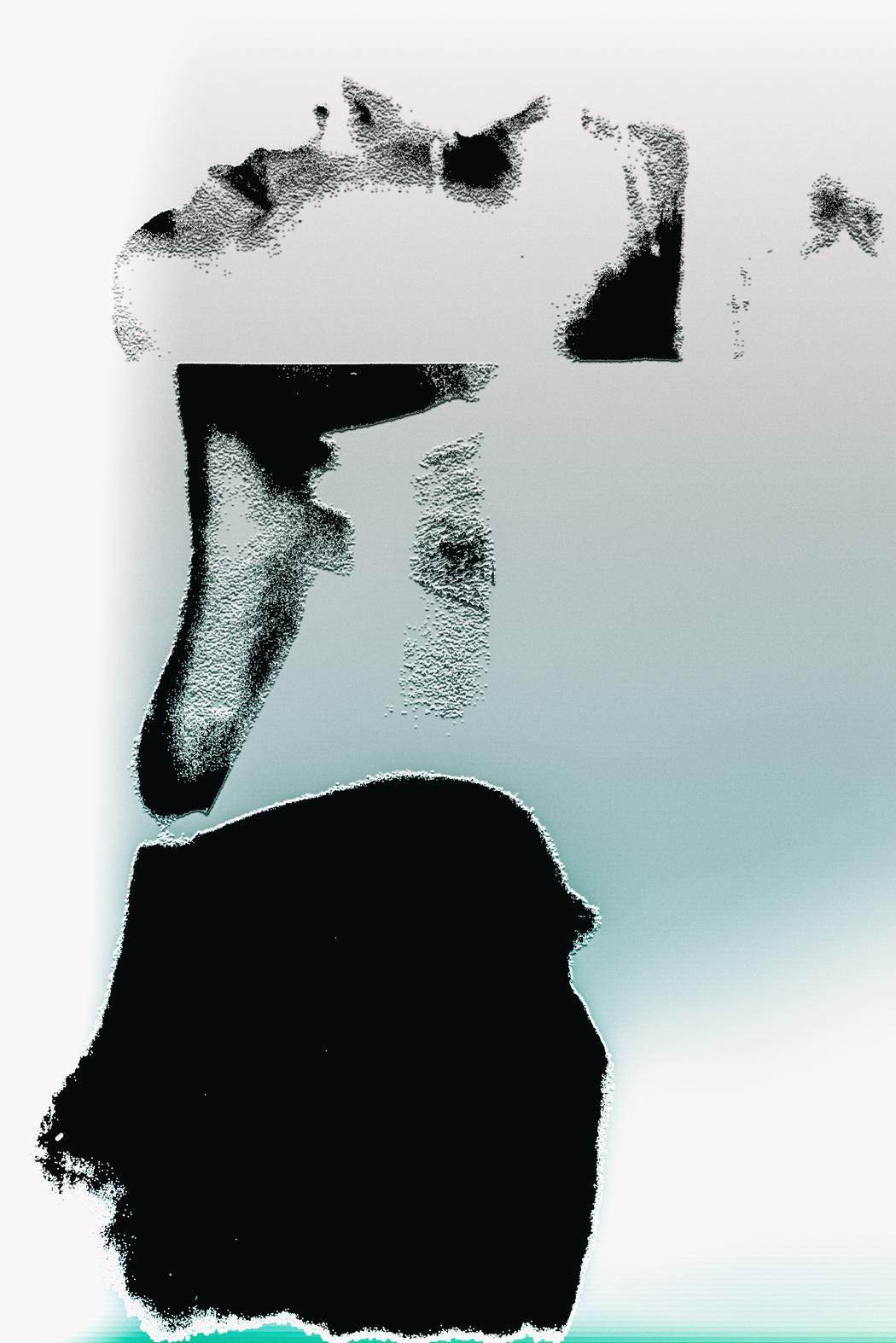
Many of your works blur the boundary between presence and disappearance. What role does illusion play in expressing truth for you?
You don’t always see the whole picture with your eyes, probably you feel it stronger. Feelings appear as illusions or abstract forms. Images are very important to me. The brain creates sensations and completes the image on its own, filling in what cannot be seen directly.
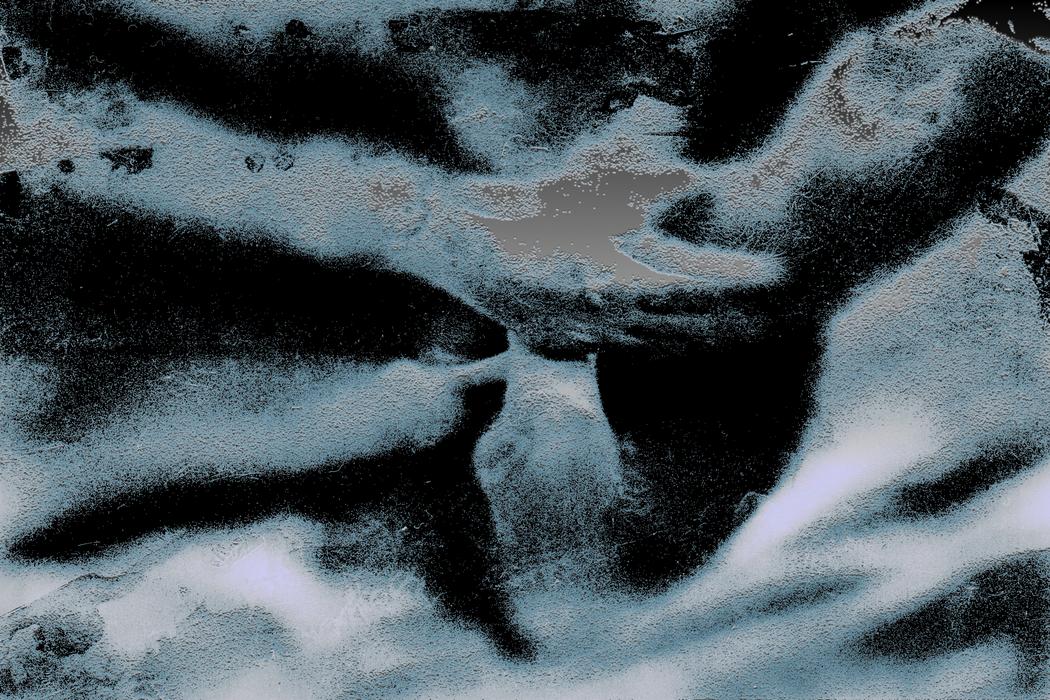
How did your years as a school photographer influence your later, more experimental artistic practice?
Working with children taught me a lot. It’s very difficult to shot stage photographs with them, so I learned not to give instructions, but to wait, observe, and catch the moment when it naturally appears.
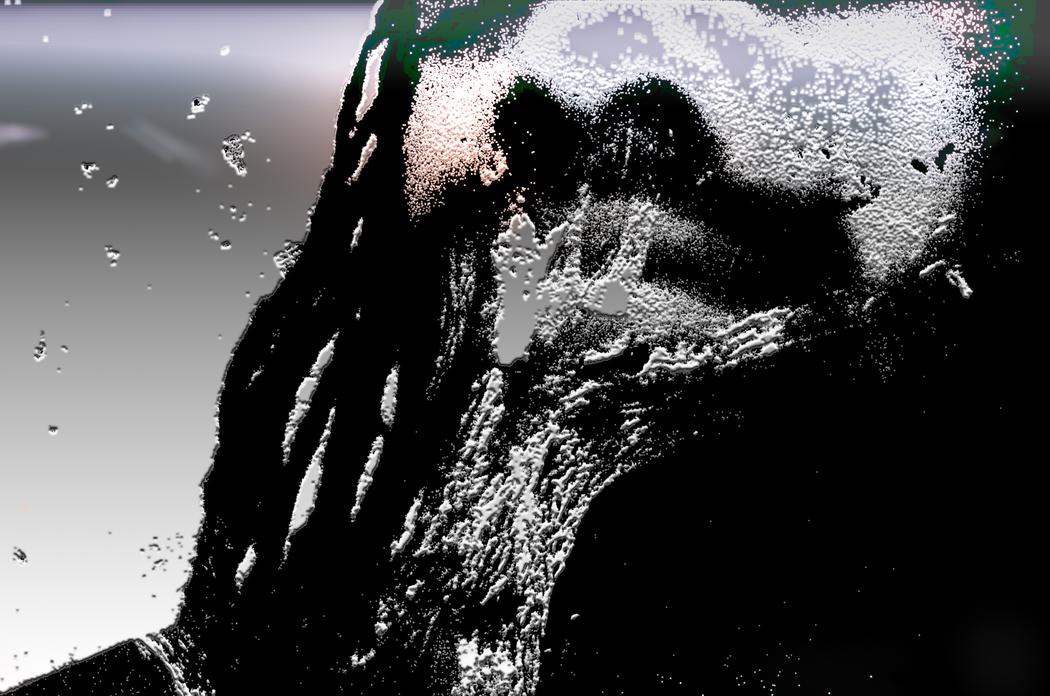
You often work with distortion and layered imagery. Is this process intuitive, or do you plan the transformation in advance?
Everything happens in flow. I never plan the result, and I never know in advance how the final image will look.
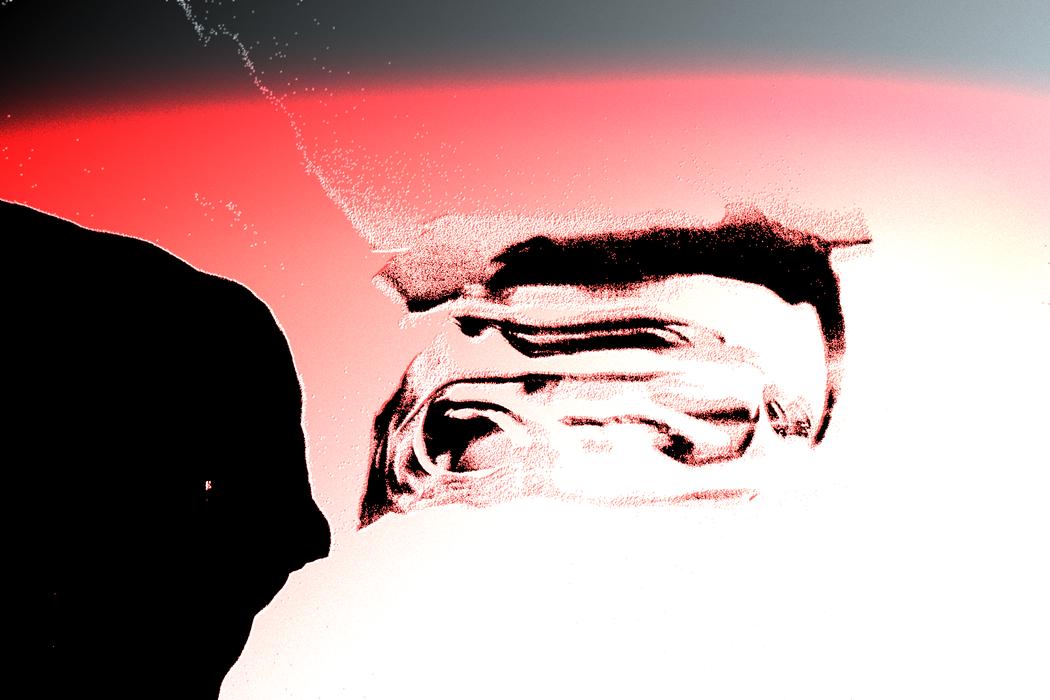
How do you decide when an image is “complete,” especially when working with abstraction and evolving forms?
I stop when it feels enough, when the image starts speaking to me and has its own context, when it can live independently. If I still want to say something, I prefer to start a new work rather than keep adjusting the old one that was done and completed before.
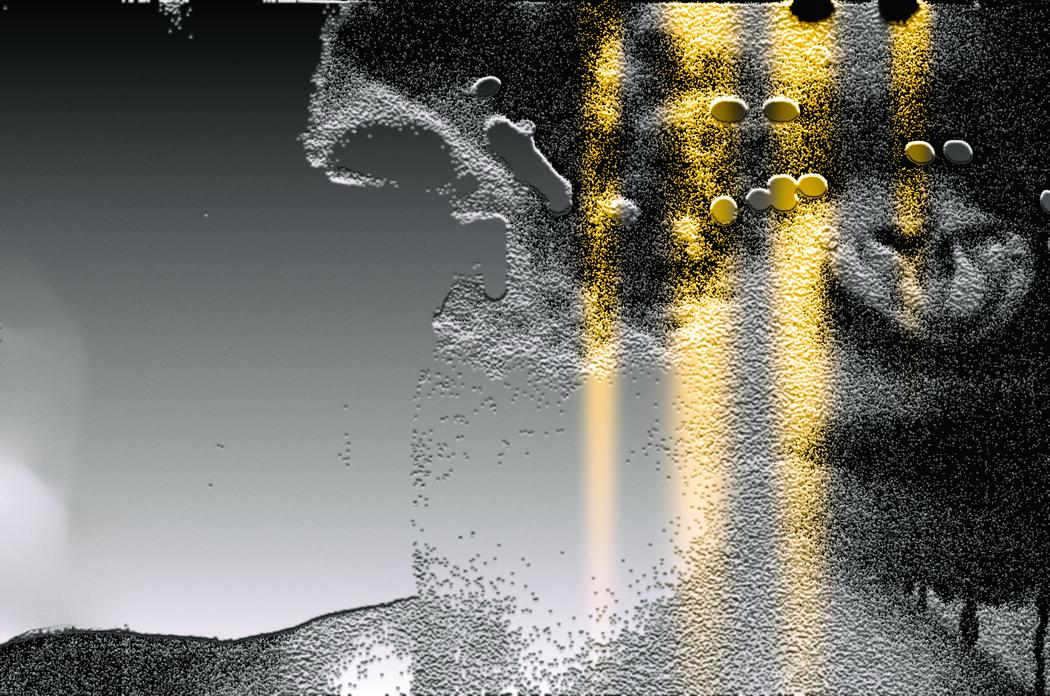
What do you hope the viewer experiences emotionally or physically when engaging with your work?
I hope for positive emotions, a sense of support from my side. I want people to feel that what they experience (problems, illness, other bad things) can be shared with others. That they are not alone.
Leave a Reply
You must be logged in to post a comment.