
Mahshid Gorjian

Your work beautifully weaves memory, heritage, and atmosphere. What is your earliest memory that you feel shaped your artistic voice?
One of my earliest formative memories is growing up surrounded by quiet domestic rituals, light moving through rooms, objects carrying emotional weight, and unspoken histories embedded in everyday life. These moments were not dramatic, but deeply atmospheric. Over time, they taught me that meaning often lives in what is subtle, fragmented, and half-remembered. That sensitivity continues to shape my artistic voice, especially my focus on memory as something felt rather than narrated.
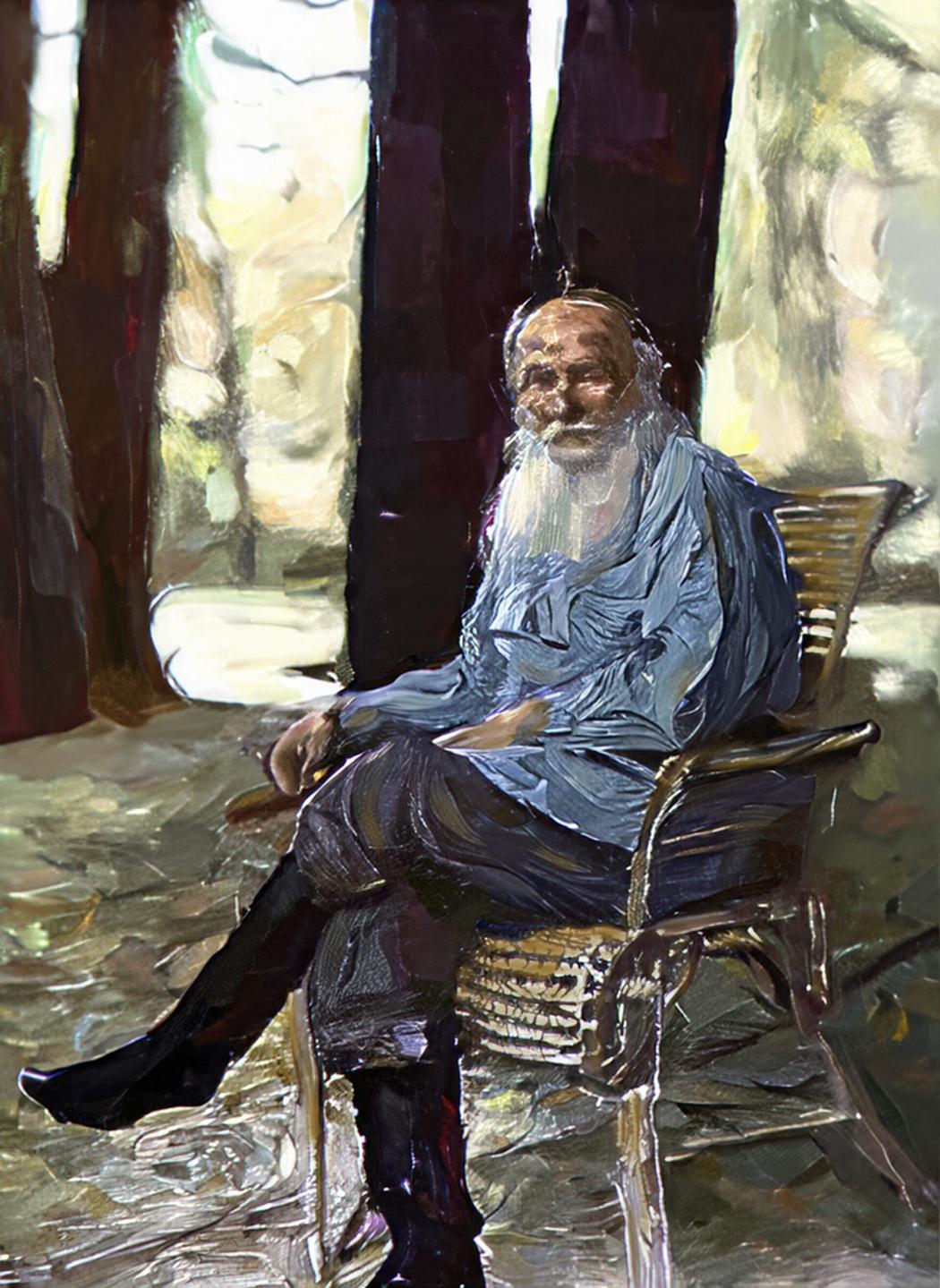 Mahshid Gorjian | The Wisdom Of Time
How do you choose which cultural symbols or visual motifs to highlight when exploring themes of identity and belonging?
I’m drawn to symbols that feel lived-in rather than decorative, objects, gestures, or spaces that carry emotional residue. I don’t aim to represent culture in a literal or folkloric way; instead, I look for visual elements that quietly suggest displacement, continuity, or longing. These motifs often emerge intuitively through the process rather than being predetermined, allowing the work to remain open and personal rather than didactic.
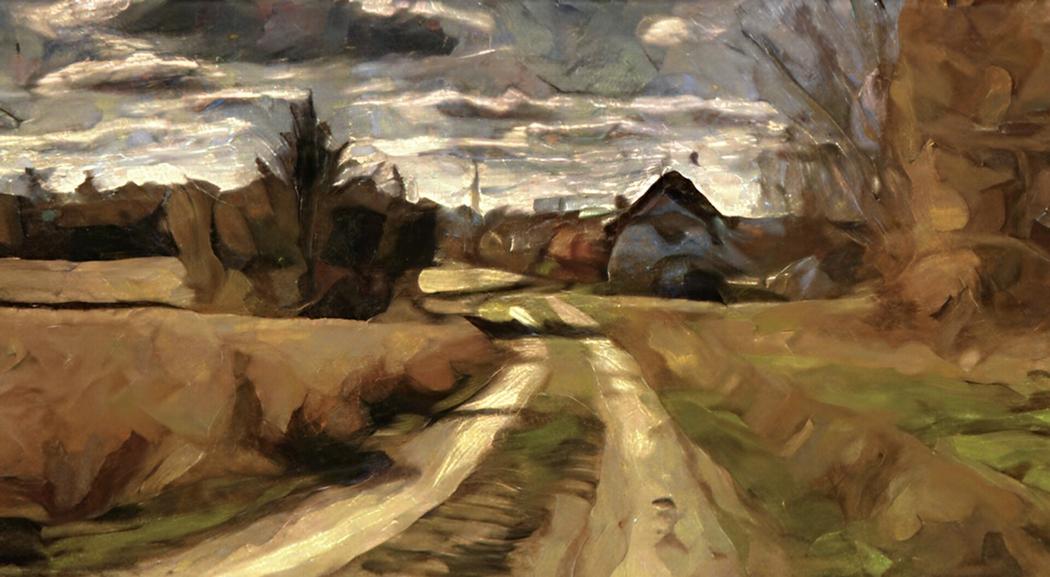 Mahshid Gorjian | Rustic Pathway Under A Dramatic Sky
Many of your pieces feel deeply nostalgic yet contemporary. How do you balance tradition with modern digital storytelling?
For me, digital tools are not opposed to tradition, they’re extensions of it. I use contemporary digital techniques to reinterpret themes rooted in memory, heritage, and emotional history. The balance comes from treating technology as a language rather than a spectacle. While the tools are modern, the emotional core remains slow, intimate, and reflective, much like traditional storytelling or painting.
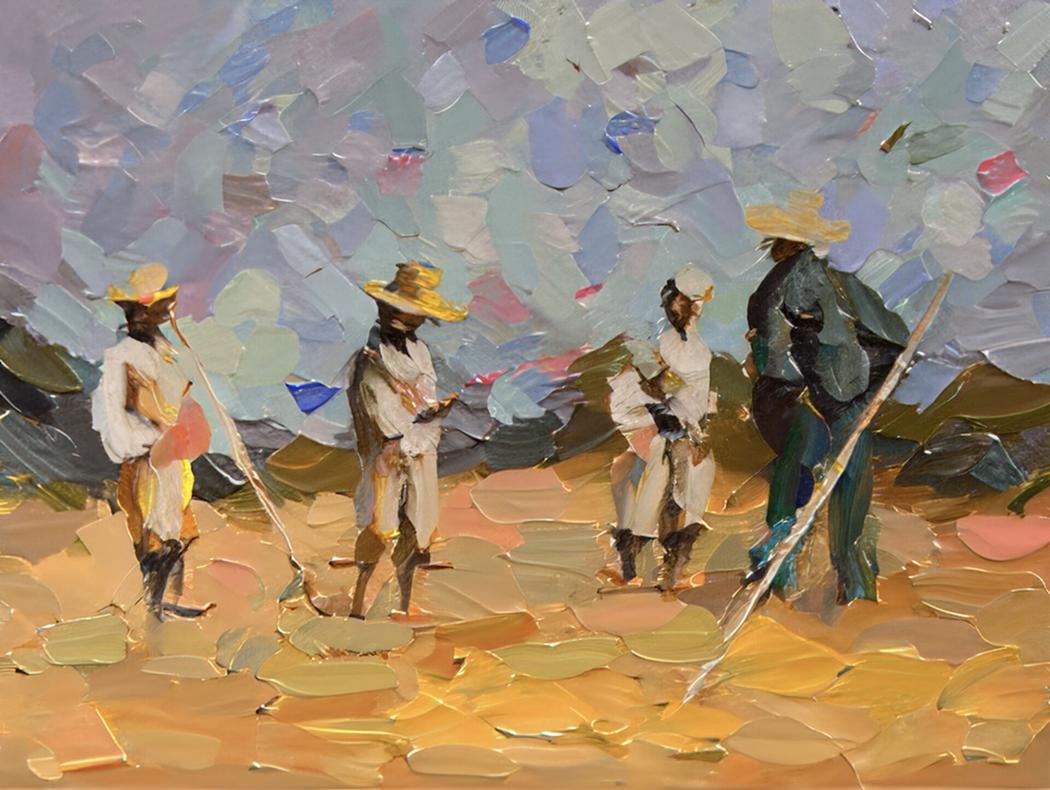 Mahshid Gorjian | Field Workers At Dusk
To what extent do personal memories influence your work, and how do you decide what to keep intimate vs. what to share visually?
Personal memory is often the starting point, but not the destination. I translate lived experiences into visual atmospheres rather than direct narratives. What I keep intimate are the literal details; what I share are the emotional traces. This approach allows viewers to project their own memories onto the work, transforming something personal into a shared emotional space.
Your imagery often carries a dreamlike, almost cinematic mood. What artistic or cultural influences shaped your visual language?
My visual language has been shaped by a combination of cinema, literature, and visual art, particularly works that prioritize mood over plot. I’m influenced by slow cinema, poetic realism, and visual storytelling that embraces ambiguity. Culturally, living between places and identities has also contributed to this dreamlike quality, where reality and memory continuously overlap.
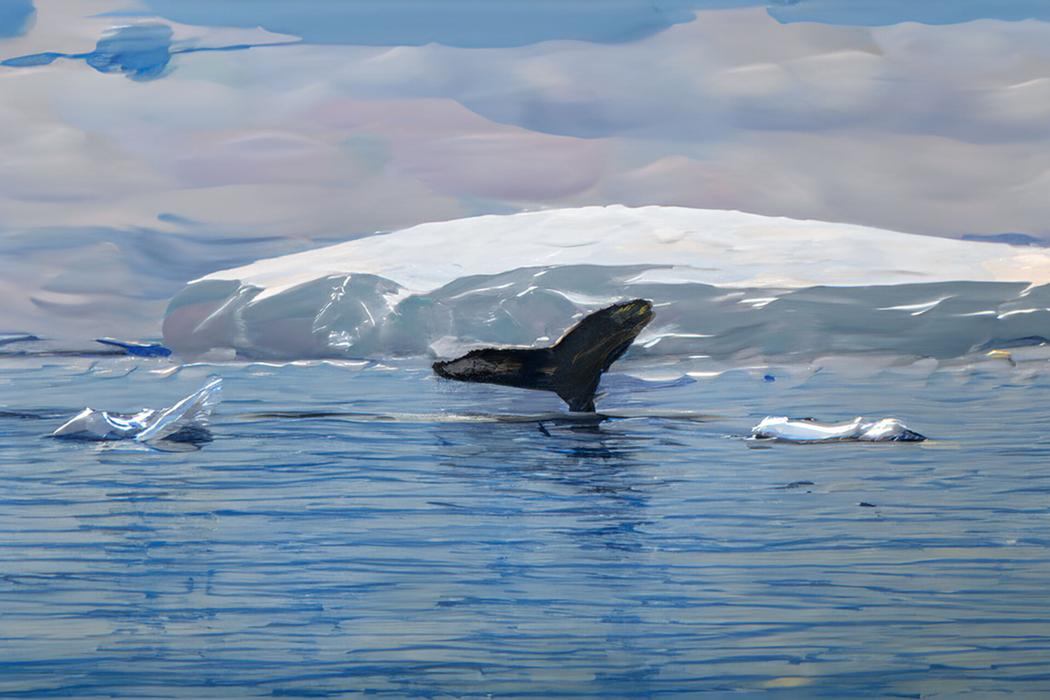 Mahshid Gorjian | Arctic Serenity
You often capture quiet, intimate scenes of everyday life. What makes these small moments powerful in an artistic sense?
Small moments carry universality. A still room, a paused gesture, or a fleeting expression can hold layers of emotion without explanation. I’m interested in how everyday scenes can become emotionally charged when isolated and reframed. These moments resist spectacle and instead invite contemplation, which I believe is increasingly important in a visually saturated world.
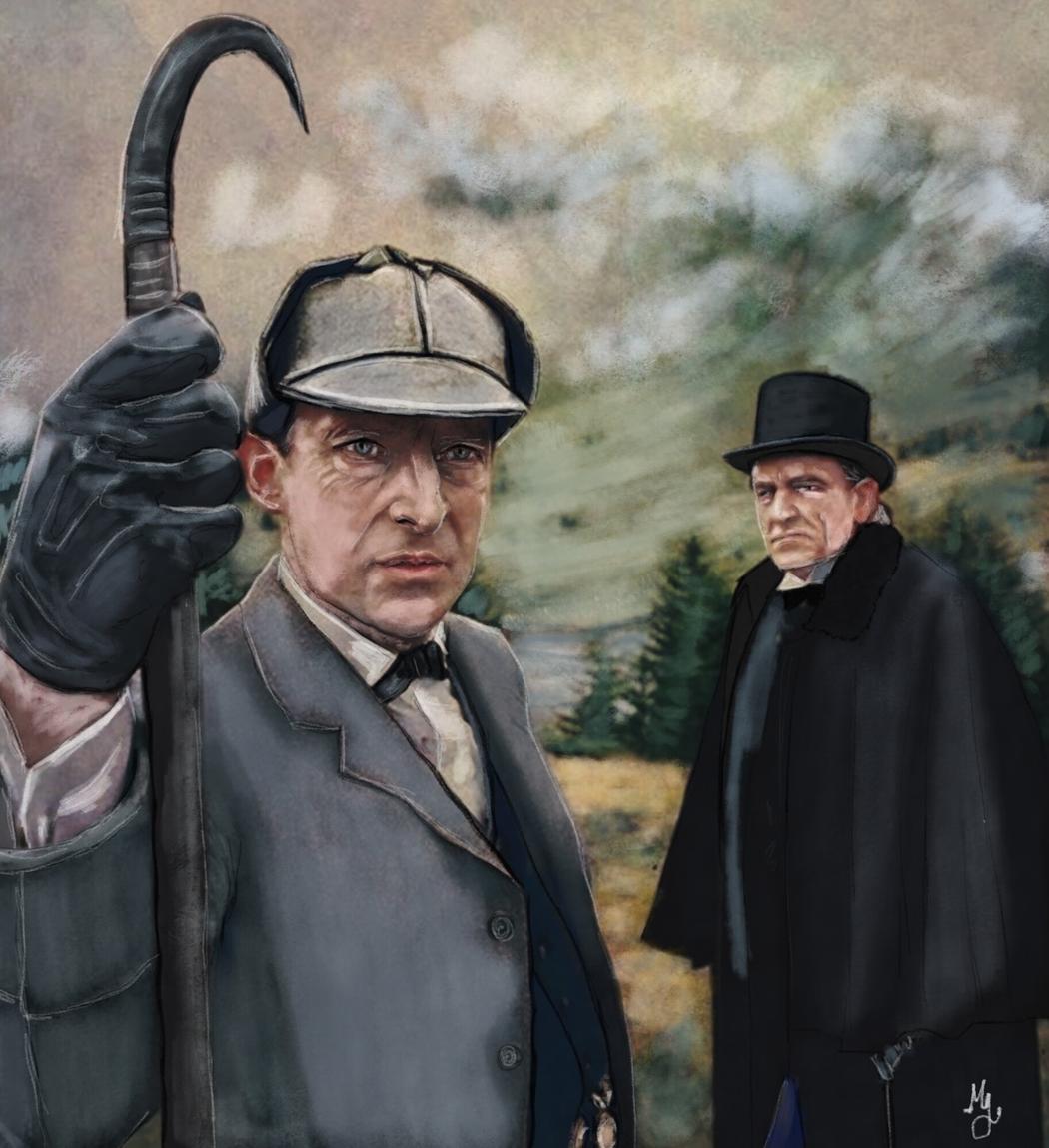 Mahshid Gorjian | The Final Problem
How do you hope viewers from different cultural backgrounds connect with the emotional layers in your work?
While the work may originate from specific personal or cultural experiences, I aim for emotional accessibility rather than cultural specificity. Feelings like nostalgia, displacement, tenderness, or quiet longing are universal. I hope viewers connect not through recognition of symbols, but through shared emotional states, finding their own memories reflected in the atmosphere of the work.
Leave a Reply
You must be logged in to post a comment.