
Liudmila Abramova
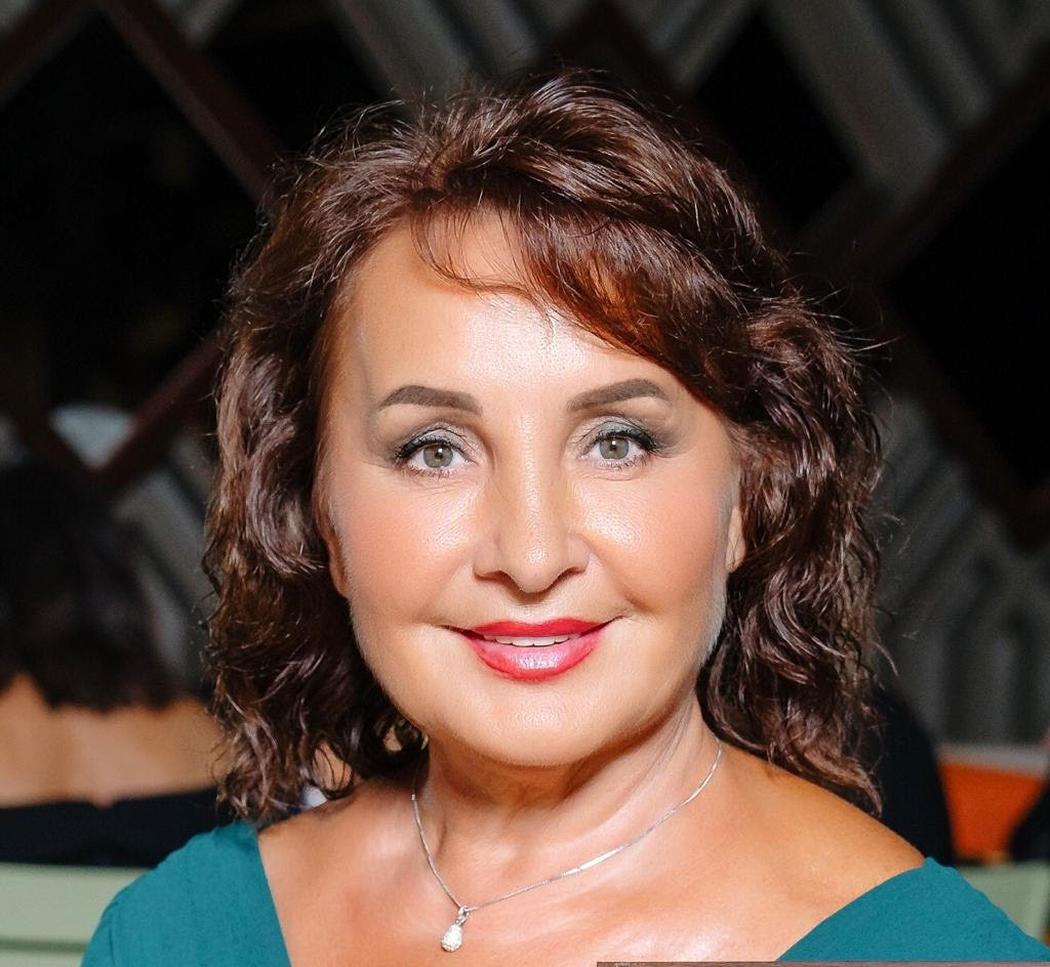
Your painting “The Legacy of Mevlana” is rooted in deep cultural and spiritual symbolism. What was the first moment of inspiration behind it?
The first impulse came when I began living in Turkey and moved my creative studio here. I visited cities with profound historical significance. I was captivated by the spirit of antiquity, its unique atmosphere. I witnessed the Sema ritual—the mystical dance of the dervishes in their white garments—and I realized that I wanted to create a painting that would convey these emotions and values. It became a true source of inspiration for me.
Why was it important for you to place the dervishes specifically between Hagia Sophia and the Galata Tower?
I would like to briefly delve into the history behind why I chose these two symbols, these two landmarks of Turkey.
I approached this from a historical perspective: Hagia Sophia is considered a symbol because of its multiple transformations throughout the history of two great world religions and empires — Christianity during the Byzantine Empire and Islam during the Ottoman Empire. A similar transformation occurred with the Galata Tower, which was originally built by Europeans — the Genoese — but after the conquest of Constantinople in 1453, the tower was rebuilt by Sultan Mehmed II.
Therefore, the Galata Tower also serves as a reminder of the multilayered historical heritage where East and West intersected and evolved into two great cultures.
Accordingly, the dervish dance that I painted against the backdrop of these two great symbols of history, preserved to this day, acts as a bridge between the past and the present. It connects two worlds and serves as a reminder that everything around us is interconnected, regardless of time or place.
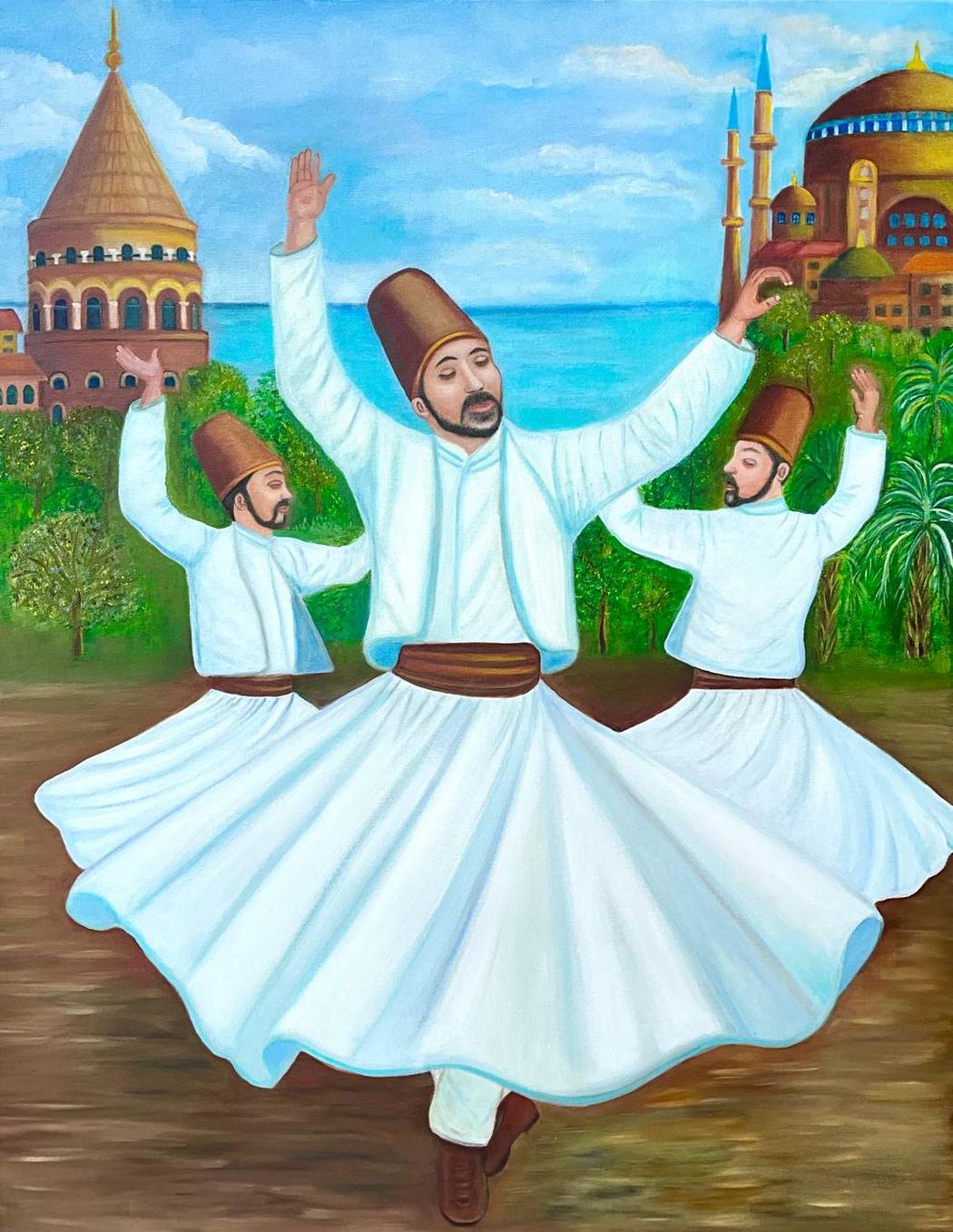 Liudmila Abramova | The Legacy Of Mevlana
You intentionally included three figures to represent past, present, and future. How did this idea shape the composition?
Yes, indeed, these three figures are an important element of the painting. Each of them, in a way, tells its own story. I tried to make them different in form.
The central figure represents the present, while the two others, set slightly apart, represent the past and the future. They interact with one another, and this composition adds a dynamic of lines and movement to the painting, helping the viewer more easily feel the connection between the three times — the present, the past, and the future.
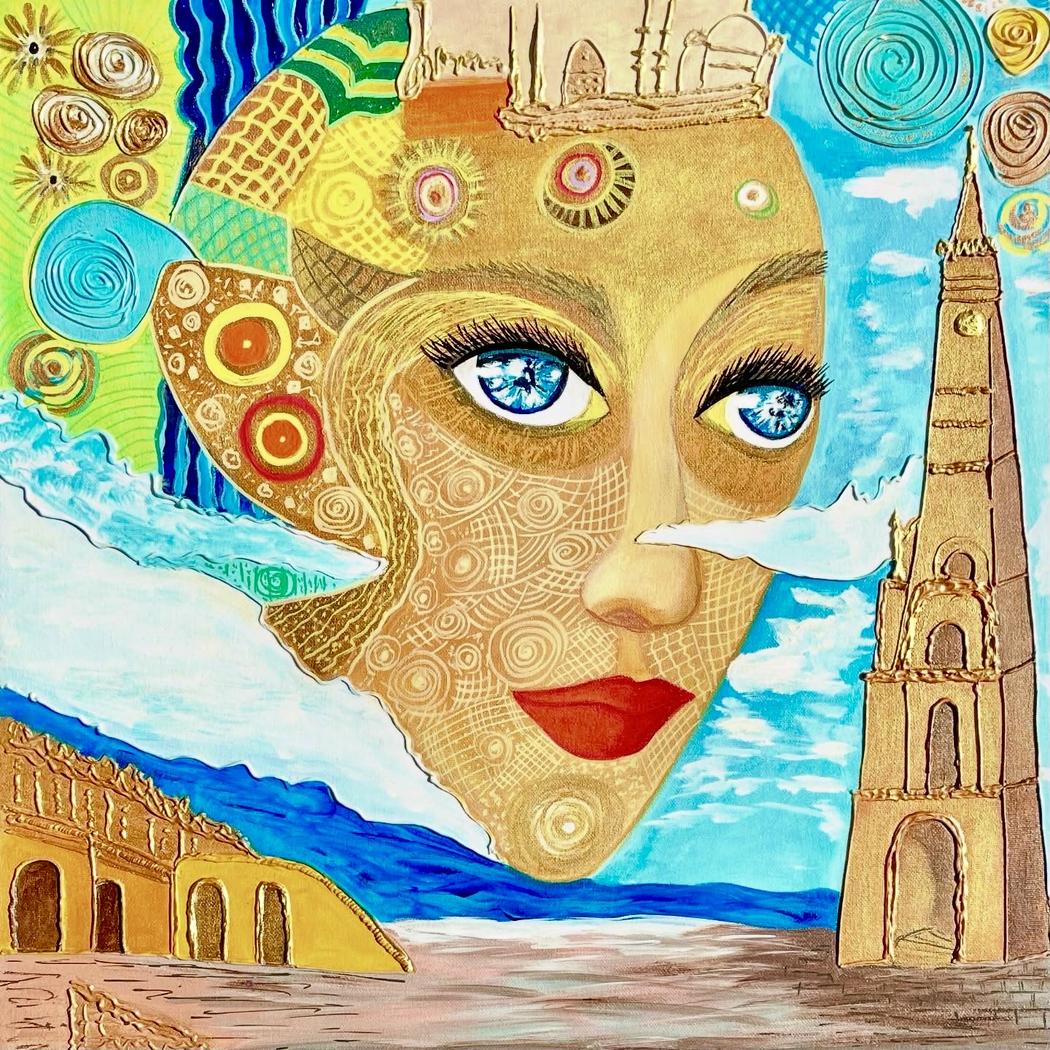 Liudmila Abramova | Mosaic Of Times
The Mevlevi Sema ritual carries profound philosophical meaning. What does it personally evoke in you?
This Sema ritual, I want to emphasize, is not just a ritual — it is an expression of inner search and a striving for unity with the world. When I witnessed this ritual in person, I felt a deep sense of peace and inner inspiration.
The whirling dervishes’ dance reminded me of the importance of inner balance and of the fact that each of us — myself included — is searching for our own life path. These are the feelings I wanted to convey in my painting, and I hope I succeeded.
You often work with premium interior techniques, crystals, mirror potal, and natural stones. What draws you to these materials?
In my paintings, I use both acrylic and oil techniques. This artwork, “The Legacy of Mevlana,” is created in oil paint, paying homage to the academic multilayered painting tradition.
However, I often incorporate crystals, mirror leaf, and rhinestones into my works, which add light play, depth, and dimension. Natural stones bring texture and uniqueness to the artwork. These materials help me create pieces that are not only visually appealing but also emotionally rich—resonating with both viewers and collectors.
How does living in Turkey influence your artistic thinking, aesthetics, and subject matter?
Life in Turkey is a constant source of inspiration for me — a country rich in history, diverse culture, and spiritual traditions. Every day I encounter new ideas and images that influence my paintings, and I try to absorb all these elements and reflect them on my canvases. I also create works that resonate with my buyers and collectors.
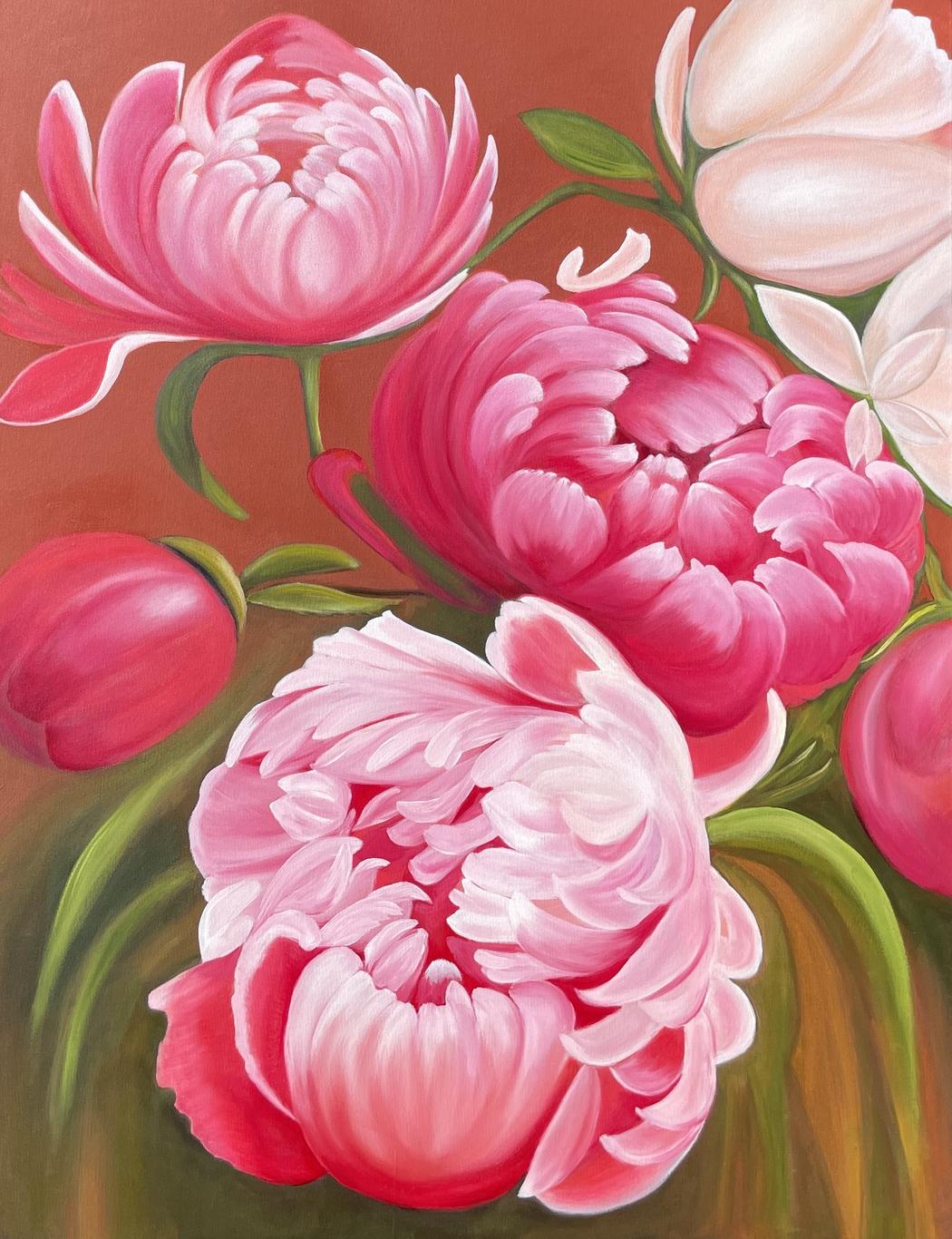
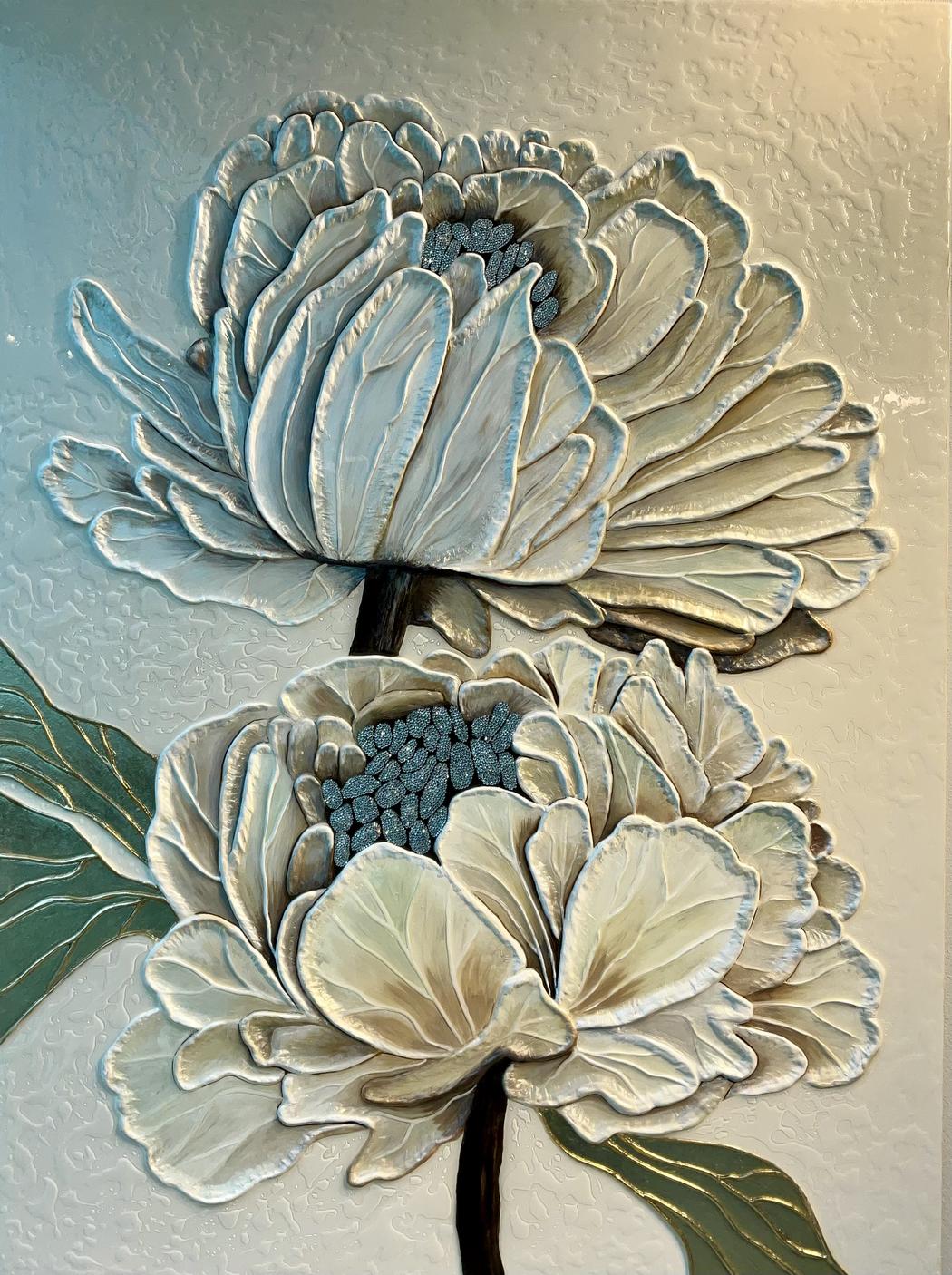 Liudmila Abramova | Charm Of The Peony
Your works balance visual beauty with spiritual depth. How do you maintain this harmony?
For me, it is essential that each artwork is not only aesthetically pleasing but also meaningful. I pay close attention to details and symbolism, striving to create multilayered compositions.
Visual beauty draws the viewer in, while spiritual and historical depth encourages reflection on the more important questions in life. This balance is achieved through careful planning and an intuitive understanding of every element in my work. When I reach harmony between outward beauty and inner meaning, I feel truly happy.
Leave a Reply
You must be logged in to post a comment.