
Valeriya Vyatchina (WAYS12)
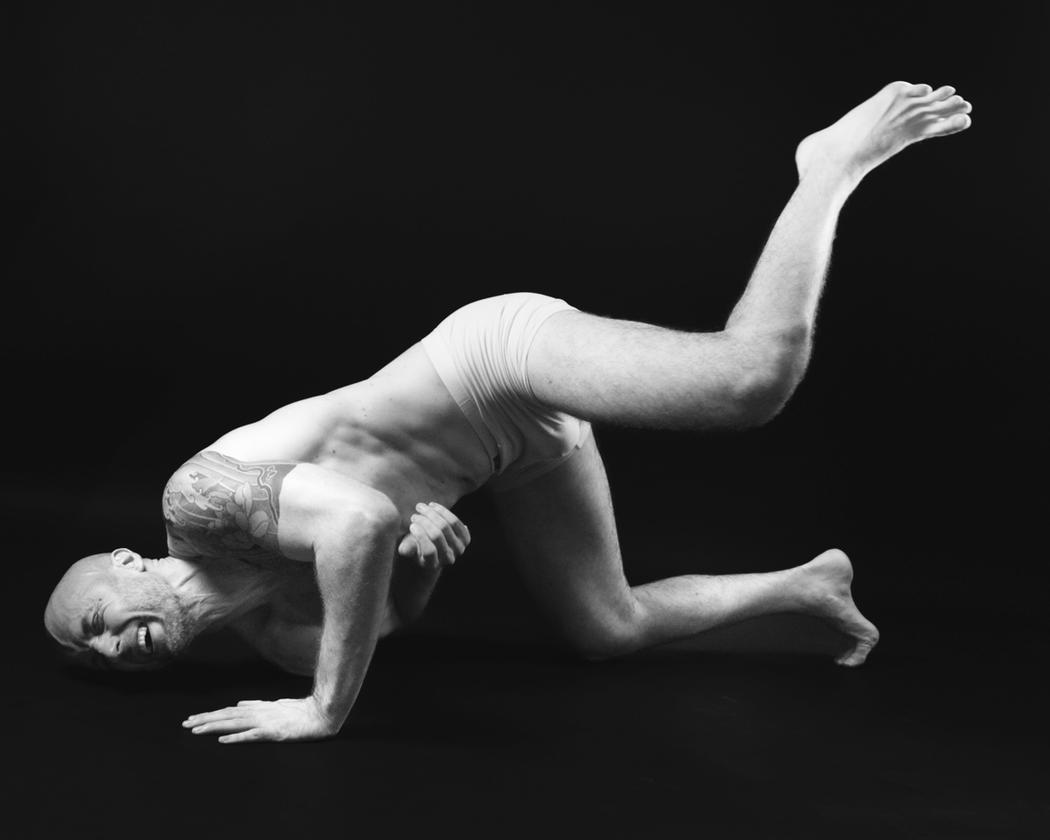
Your work focuses on the human body as a living archive. When you photograph someone, what is the first thing you pay attention to—their form, their emotion, or their presence?
When I photograph, first of all I pay attention to its forms and lines and how they can be shown in space, what poses will be organic for this person.
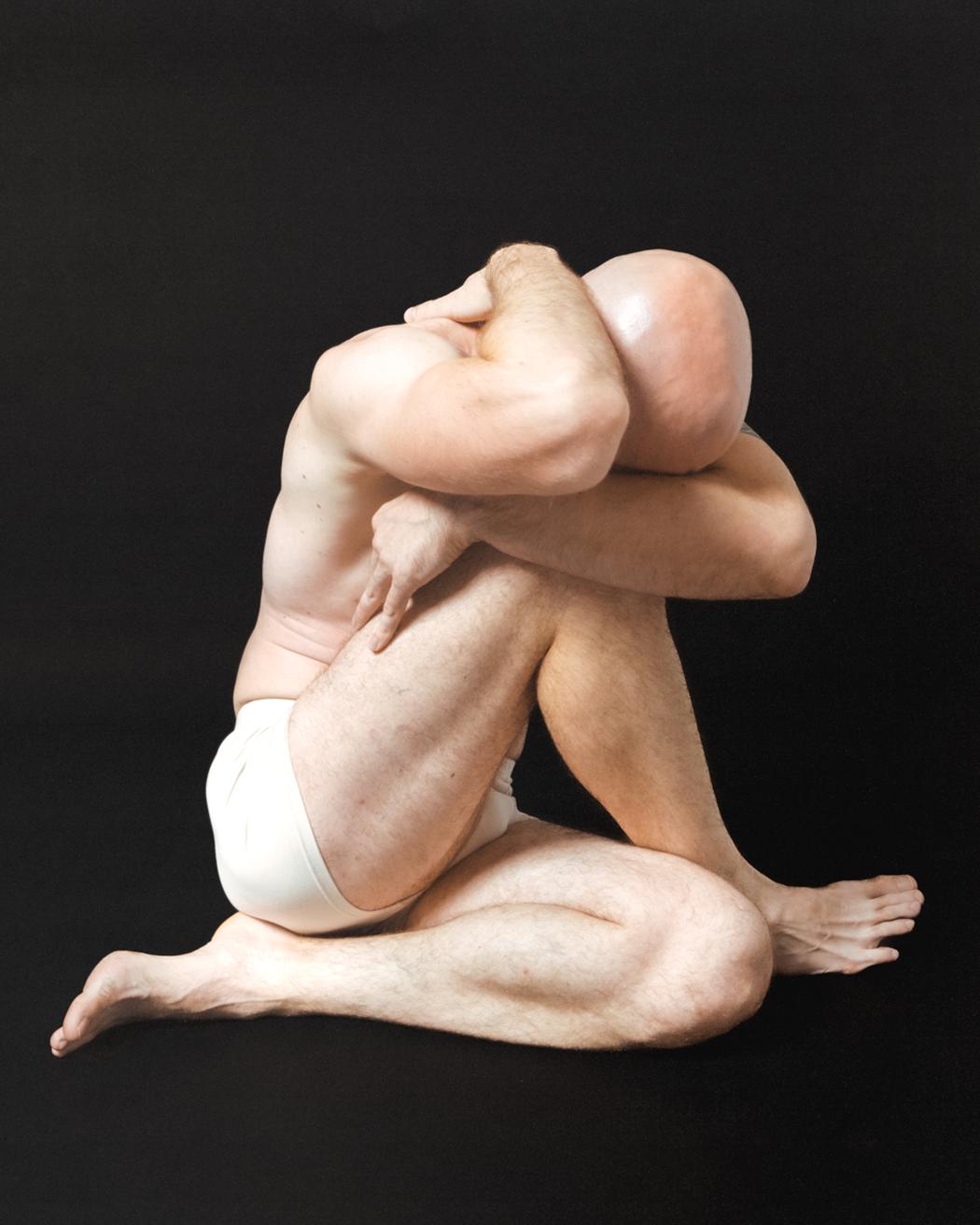
Many of your compositions show the body in tension, distortion, or vulnerability. What draws you to these expressive physical states?
Through my poses, I don’t show the body, but rather the state. There are days when something inside seems to have cracked: my shoulders clench, my back arches, and in this tension, the truth suddenly emerges.
I’m not trying to appear whole. On the contrary, it’s important to me to show what fatigue looks like when it’s no longer hidden. How the body honestly admits: I’m hanging on by the last threads, and that’s okay.
This is how I’m saying that the entire spectrum of feelings—from tenderness to breakdown—is not shameful to experience.
You write that “the body always has something to say.” What do you personally hear most clearly in these silent physical stories?
These are always different stories, each one is unique, which creates an incredible palette with which I create photographs. But many are embarrassed to show their difference.
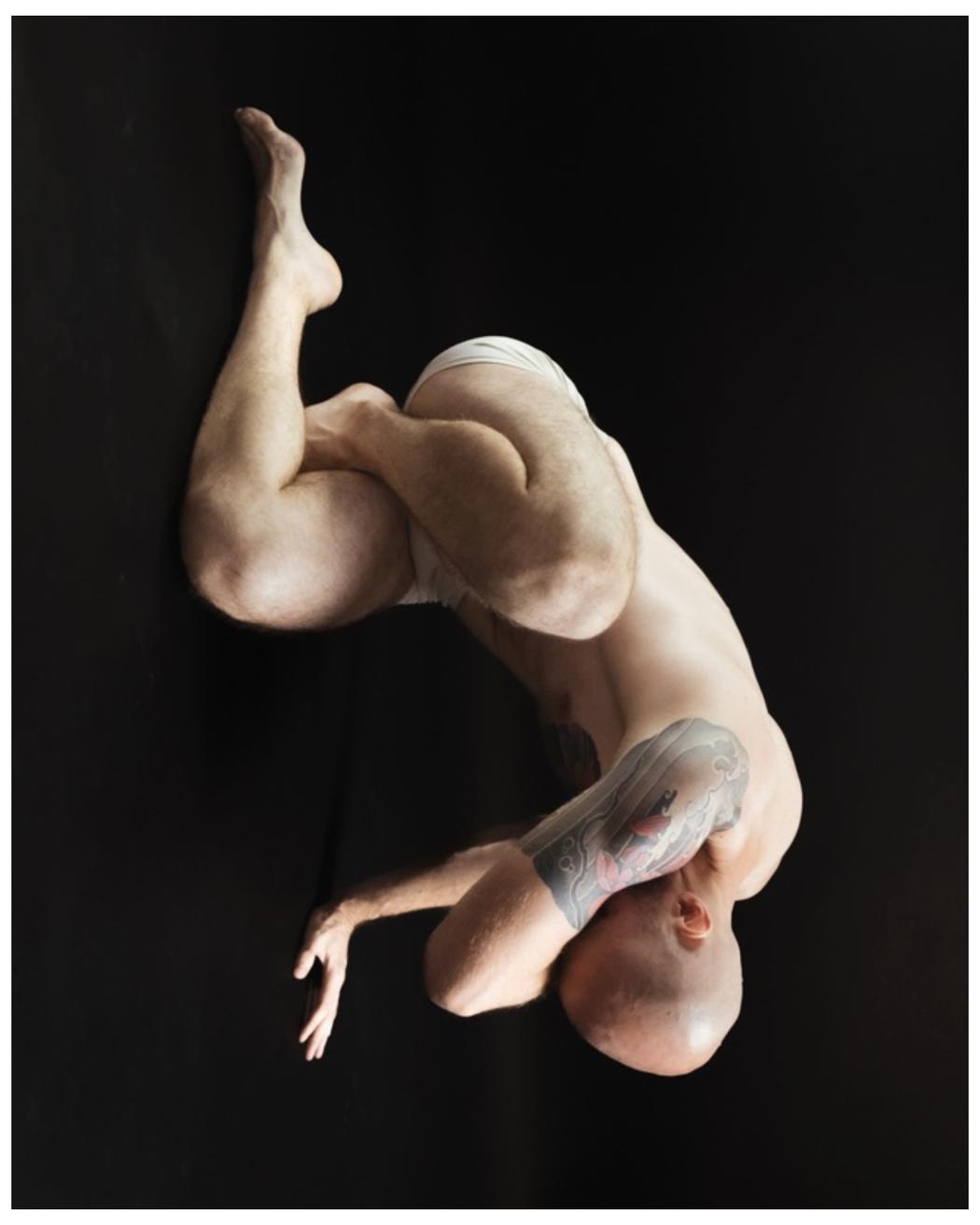
How do your own feelings, doubts, or emotional states shape the direction of a photoshoot?
My creative shoots often grow out of personal experiences. What I personally experience—doubts, fatigue, flashes of strength—becomes the focus of the shoot. I simply translate my states into visual language and let them set the tone for the shots.
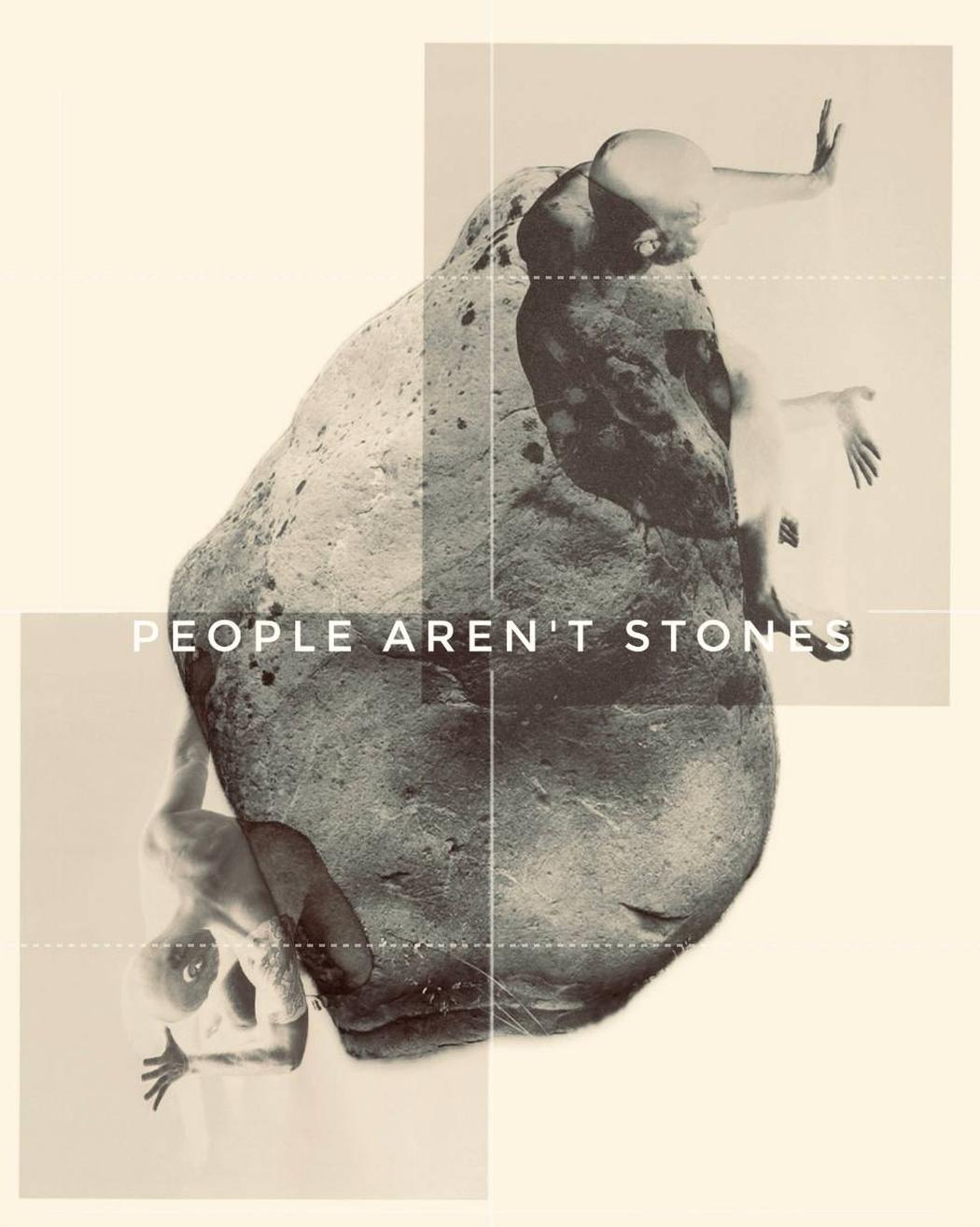
Your series explores fragility and vulnerability. Do you think vulnerability is something people should learn to reveal—or something to protect?
Everyone has vulnerability. Maturity lies in acknowledging it, not hiding it. When we stop maintaining this unbreakable façade, vulnerability no longer oppresses us or turns into pain. It liberates us—from shame, from tension, from trying to appear stronger than we are.
In “People Aren’t Stones,” you reflect on heaviness, struggle, and emotional weight. How did this concept emerge, and what does the stone metaphor mean to you?
In this series, stone, for me, is a symbol of resilience, driven to the point of numbness. “People Are Not Stones” is a reminder that human strength lies not in armor, but in the ability to feel. We rejoice, we suffer, we get lost, we get angry—and that’s what makes us alive.
To be human is to be vulnerable. And the only thing that keeps us from turning into stones is the willingness to say, “I remain myself, with all that I am.”
We fear feelings because they can hurt. But the ability to experience pain, process it, and grow through it—that’s our true resilience.
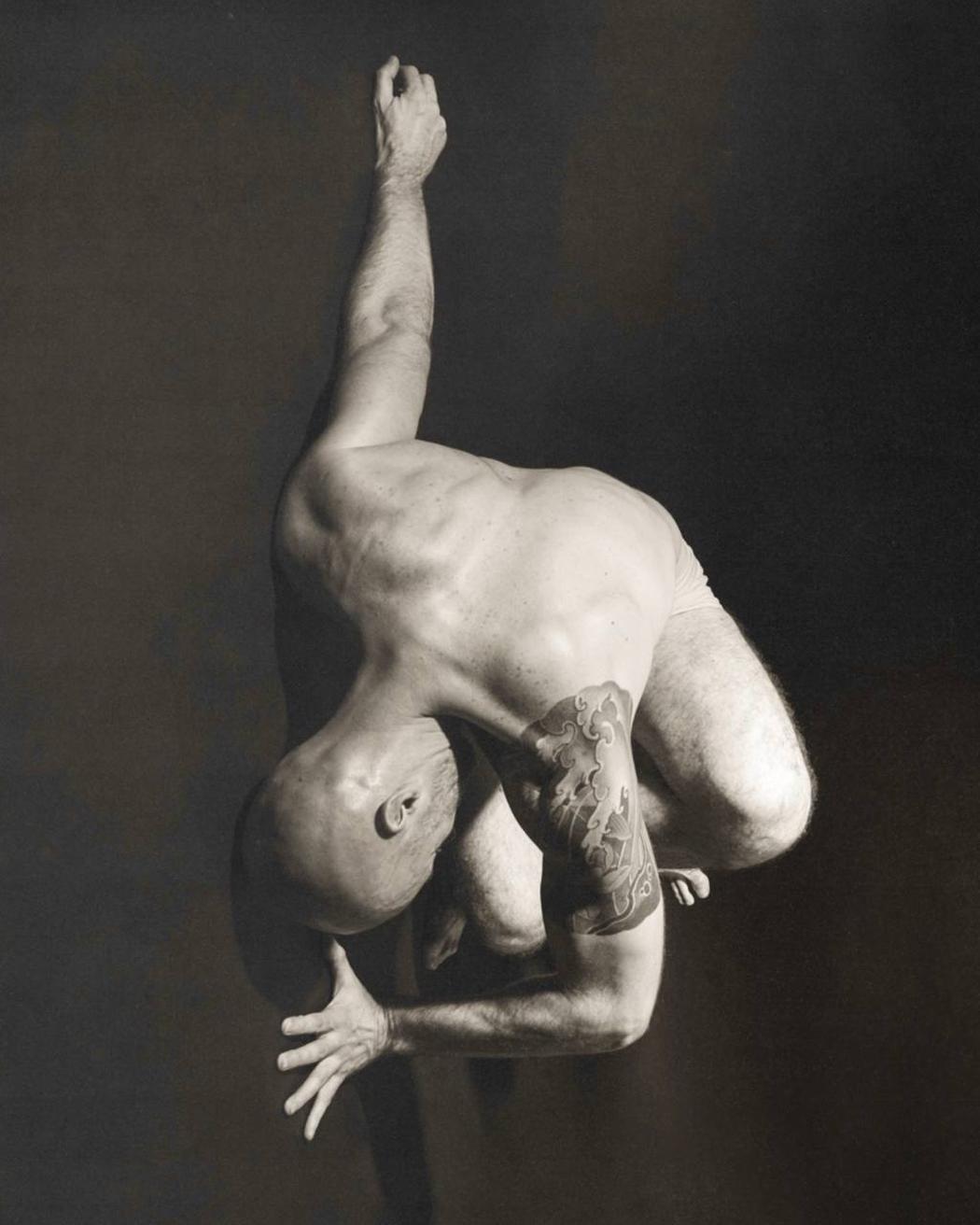
The body in your work often appears as sculpture, gesture, or choreography. How much of your process is planned, and how much is intuitive?
I always come to a shoot with a plan: I prepare references, think through gestures and mood, and sometimes even demonstrate the desired body rhythm myself. But this is only a guide. The most valuable shots appear when the subject gradually opens up and begins to improvise. At this point, the pose ceases to be a blueprint and becomes a living movement.
Leave a Reply
You must be logged in to post a comment.