
Robert Solomon
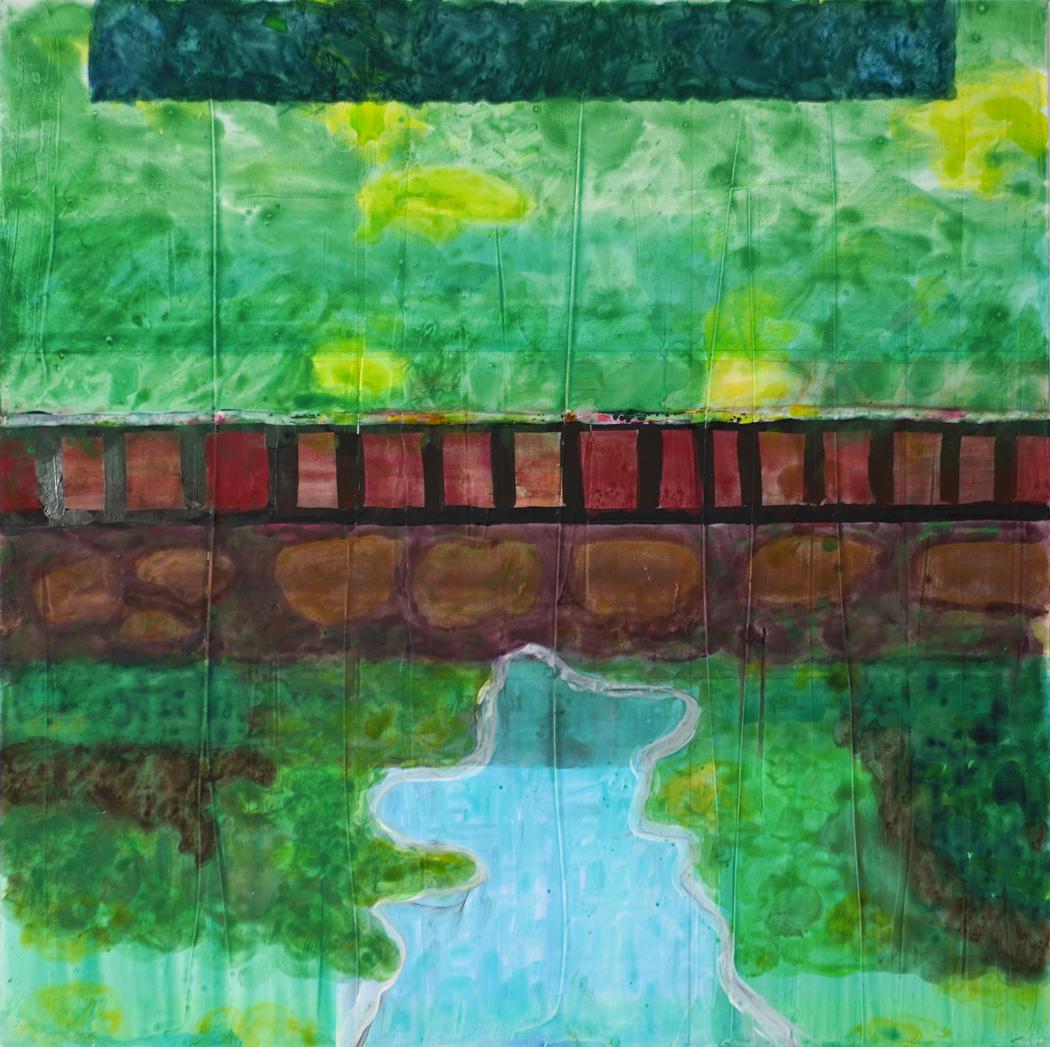 Robert Solomon | Old railroad on canal
Your artistic practice spans sculpture, printmaking, installation, and theater. How have these disciplines shaped your approach to painting today?
All my previous work has given me an opportunity to reach audiences in an emotional way. Painting allows me to reach an audience sensually, emotionally, visually, and intellectually. Being a generalist in college at Penn State, I was in love with every form of art and eager to experience everything radical and of the moment. I studied architecture at UCLA, and the mechanical drawing we practiced I sometimes use in the beginning of a painting to indicate ideas about composition and dynamism. I would not say sculpture or design directly influences my painting practice. I did evolve from printmaking to painting and from paper to canvas. I developed a ground which has paper -like qualities. Everything in my past gave me an opportunity to exhibit my work and receive input from an audience. Painting is a most useful currency in the artworld today and allows for development and experimentation.
You mention that nature serves as an entry point into your paintings. Can you describe how an observation of the landscape transforms into abstraction in your process?
I have made several paintings about the stream running beside my studio, each time becoming less attached to the reality of the outside world and more abstract and involved with the color, paint, and canvas. “Sunlight on morning stream” uses a “top down “viewpoint that is a hallmark of modernist painting, just as is frontality. The sky and its reflection exist on the same plane and the loosely brushed cluster of trees is obscured by masses of green paint. My intention to paint from nature is to resist representation while exploring an abstract language that reflects to my experience in nature. This is how I can paint: keep rooted in the physical world and allow the process to become disengaged with it.
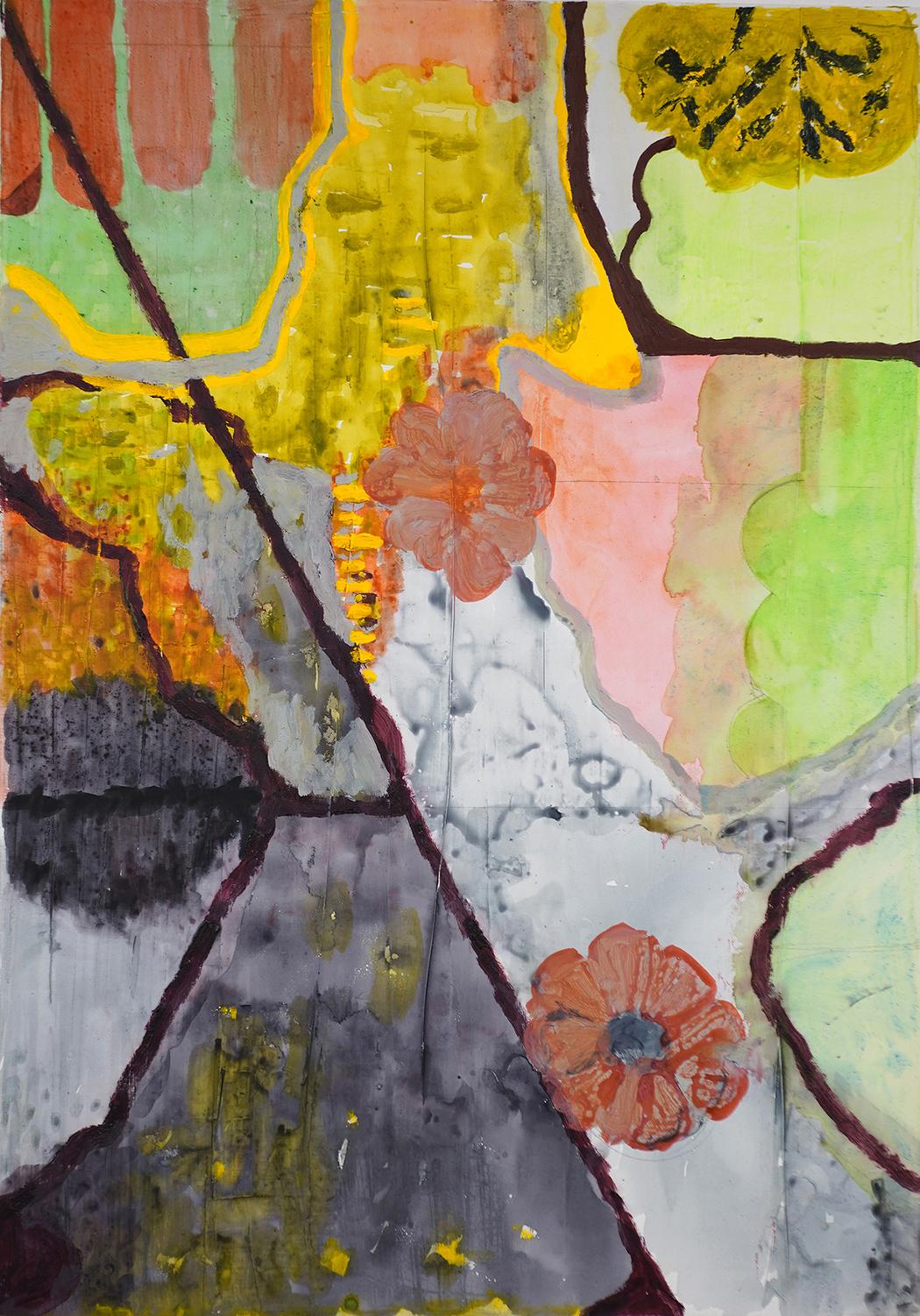 Robert Solomon | Flowerboat | 2026
Your works feel both structured and intuitive. How do you balance control and spontaneity while painting?
Control is that skill that you hone over time. Drawing is a learned skill and drawing the figure helps with confidence and brush work. Control is preparing your mind before the painting begins: thinking about color choices and paints. Having the brushes clean and ready. Deciding which mediums and binders to use. Also, being somewhat clear on the subject matter and the purpose of the painting is important. The spontaneity begins almost as soon as I pick up the brush. Every color choice suggests the next one. Intuition drives the painting because choices are made quickly and with trust. Some parts take longer and need slower thought.
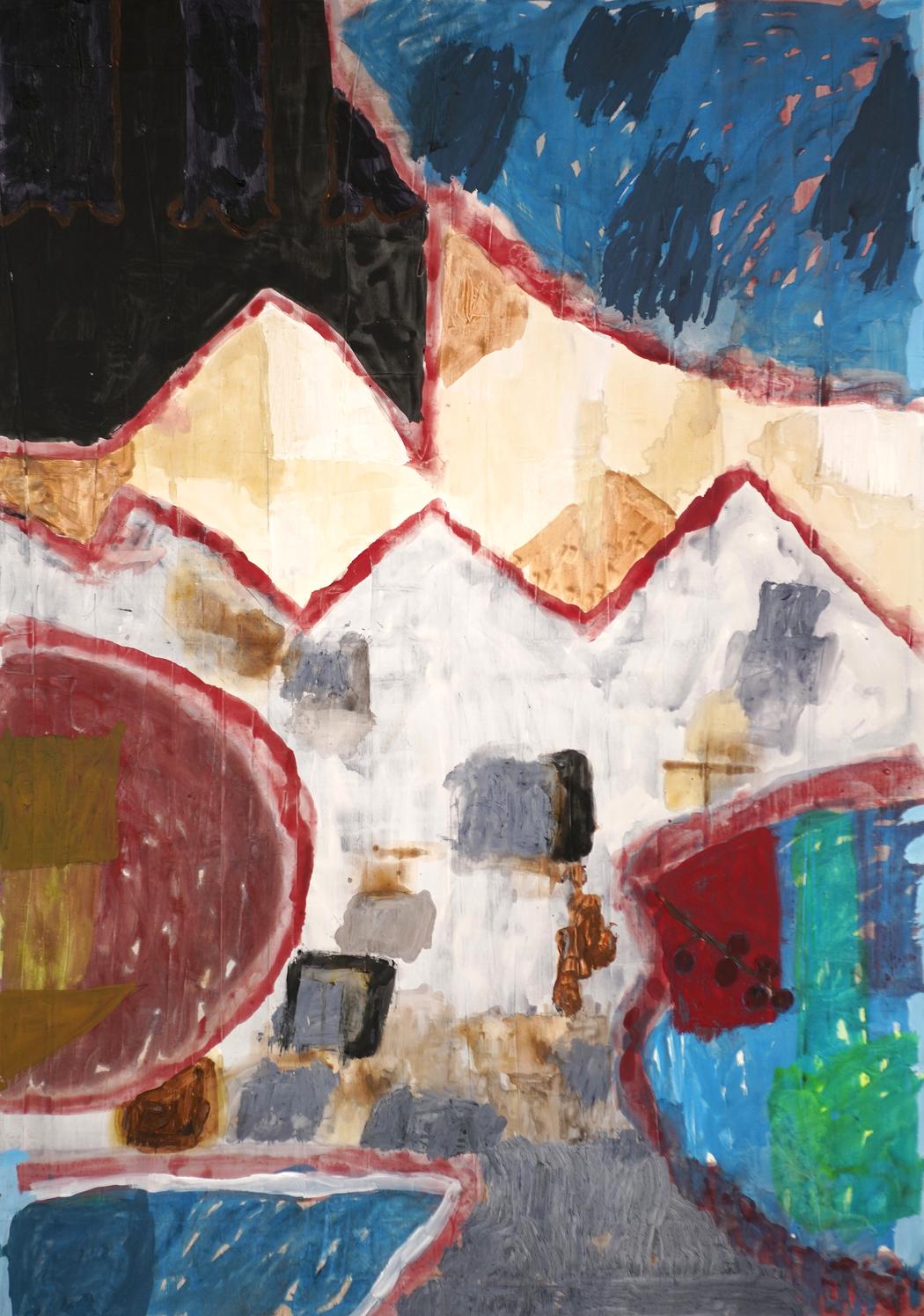 Robert Solomon | Forest carpet | 2026
Living and working in rural Southern New Jersey, how does your immediate environment influence your palette, forms, and compositions?
At first, I was taken by the interesting things present in my environment. As my work progressed, I am less tied to the physical nature of things and more involved with my internal feelings and the work has become more abstract. I have discovered a new language to interpret the outside world.
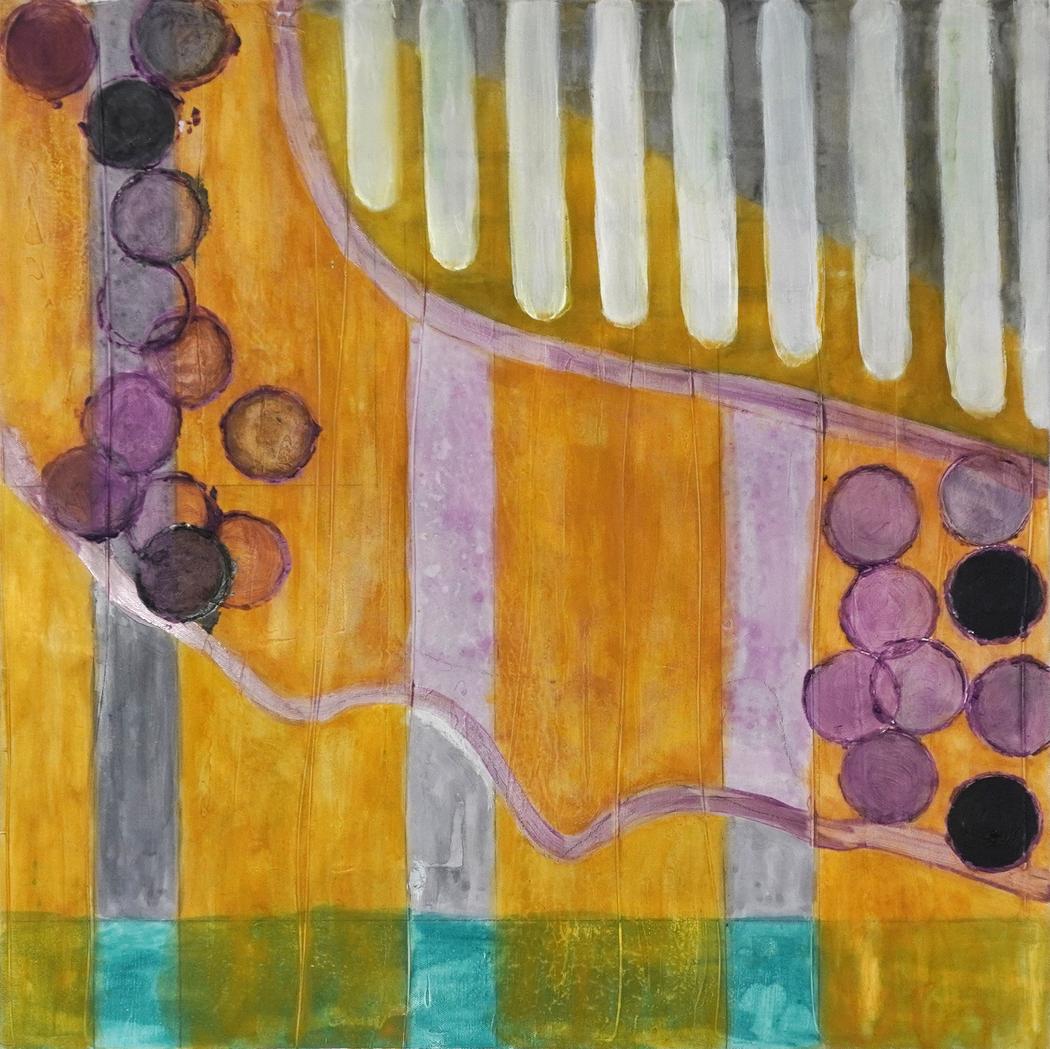 Robert Solomon | Newgrowth pink
Some elements in your paintings suggest organic systems or topographies. Are these references intentional, or do they emerge subconsciously?
Yes, I intentionally seek tension between organic form and a grid like or cubist composition. The canvas being square or rectilinear sets up interesting problems with organic abstract forms. The “New growth” paintings are painted from a “look down “viewpoint. The thick meandering lines denote the boundary between land and water and set up the organizing principle of the painting. Circles and elementary shapes are grouped in patterns that suggest movement and life forms. “Forest carpet” has freer boundaries with its cursory red lines yet has areas I associate with a forest floor.
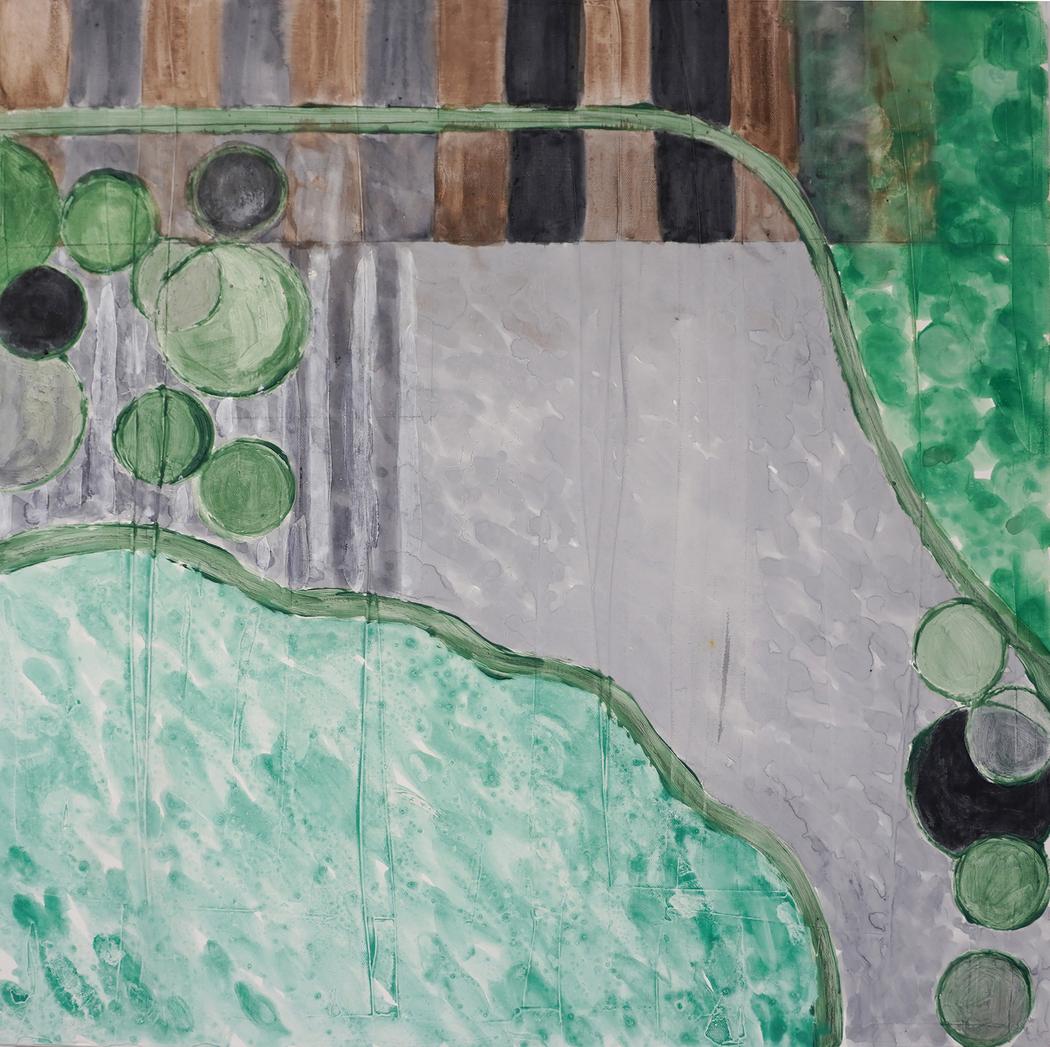 Robert Solomon | New growth green
How has your artistic language evolved since your early work in the 1970s?
My early work responded to the revolution happening in the arts of that time, which included music, theater, and film. I used historical art references and political-social references. There was an avant-garde coming from European sources and the art world was much smaller. My work was much more surreal and subversive in content. With time and a physical studio, I wanted to achieve more convention goals such as skill, consistency, and focus. What I did achieve in emotional complexity I wanted to retain and explore in painting. A greater happiness and appreciation also change ones position in the world; in some ways I strive for the innocence and awe of my late teens.
Leave a Reply
You must be logged in to post a comment.