
David Bipolo
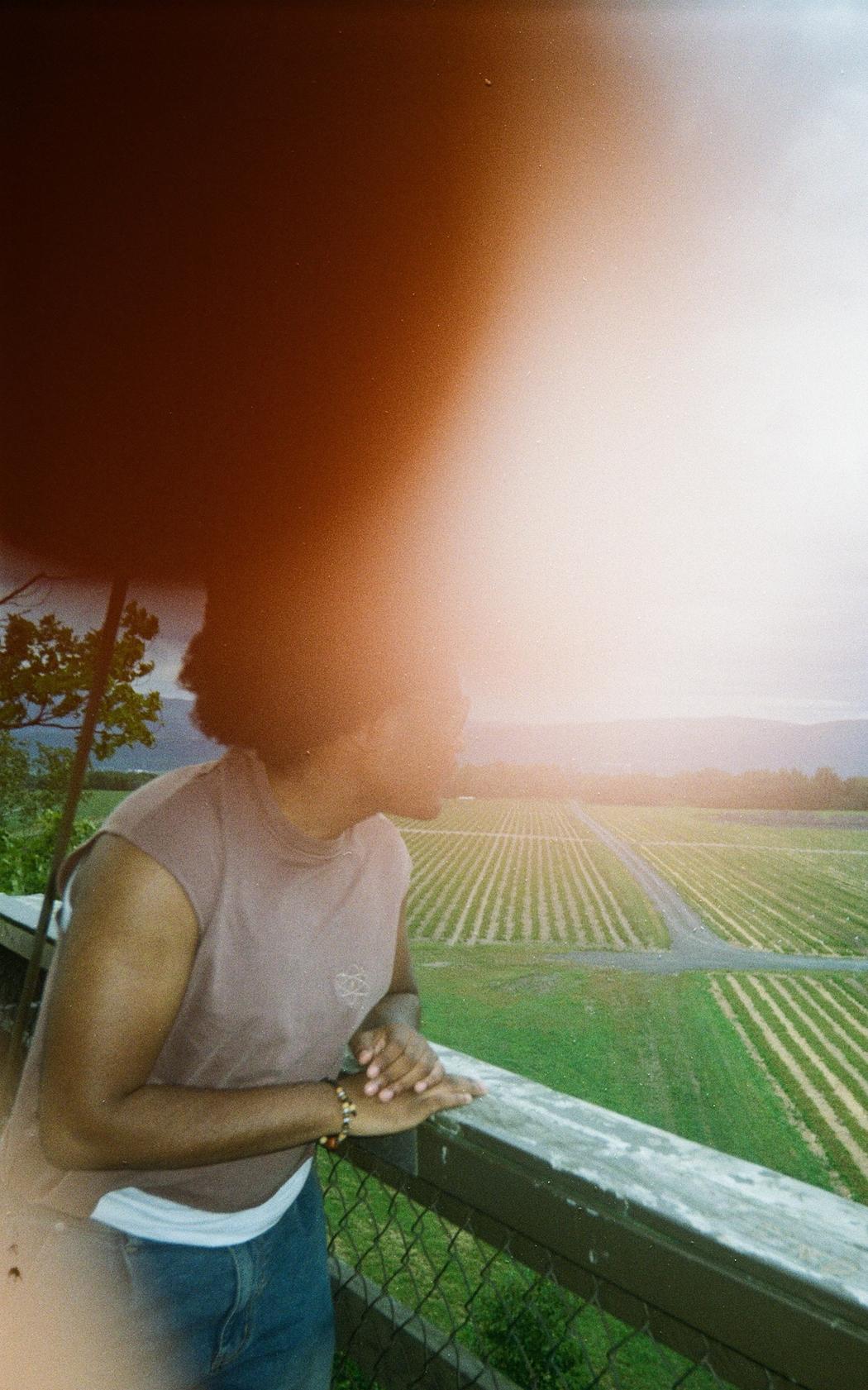
Your series “Il revient! Bi so yang!” (“He is coming back”) reflects on the religious hysteria surrounding the idea of the parousia. What initially compelled you to respond to this phenomenon through art?
It is the impact of media in an interconnected world. I saw the repetition in the phenomenon, understood the history, and couldn’t stop thinking about it. It wasn’t just another trend on social media for the pleasure of consumption and recognition. The hysteria and the fear were tangible for the victims of the mystification. The craziness was seen online, but the consequences were real. In a way, I related to this crowd’s feeling of abandonment.
Drawing is the only way right now I have found to project something that is not explainable.
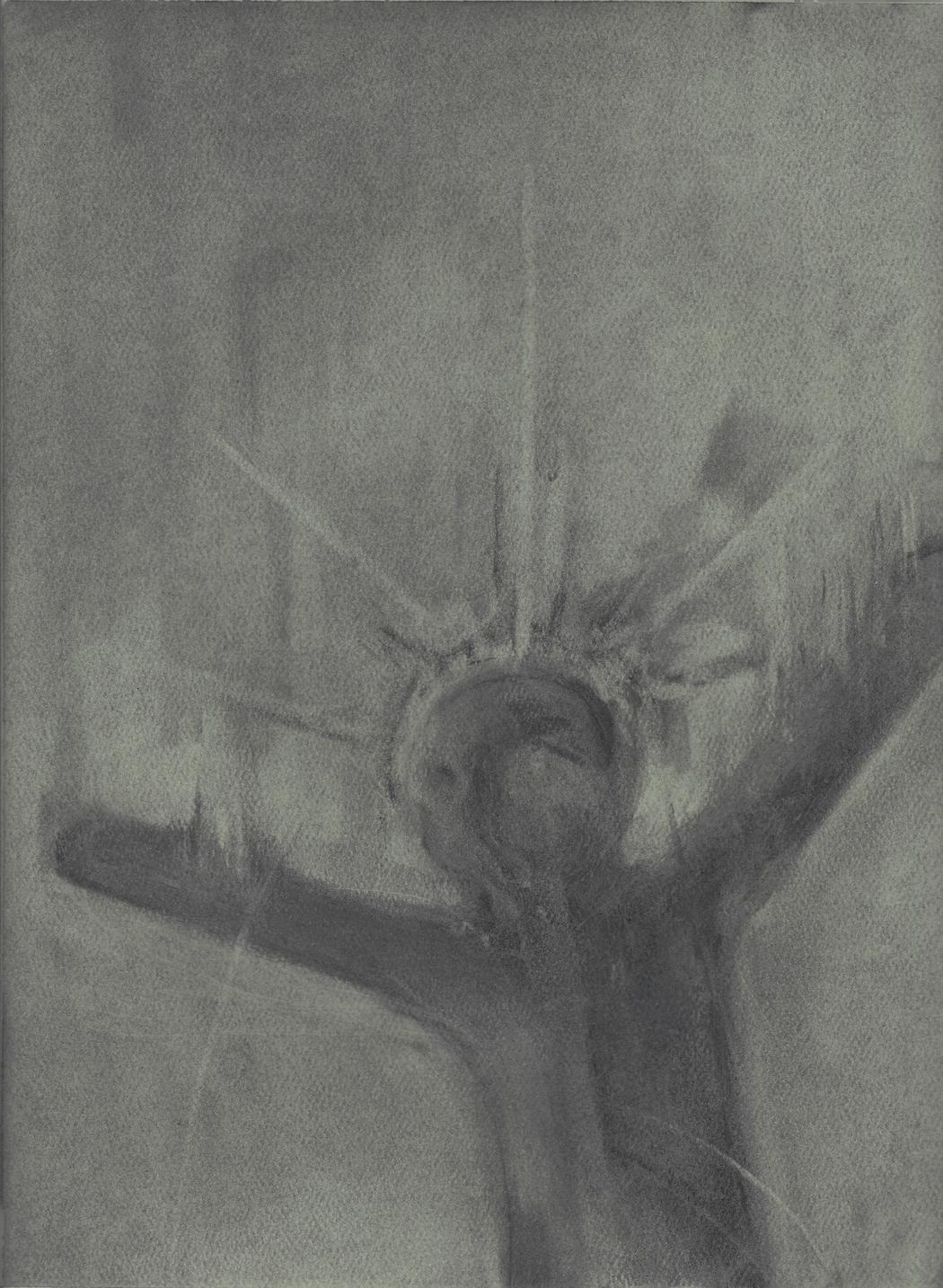 David Bipolo | Il revient! Bi so yang! | 2025
Many of the works appear almost ghost-like or blurred, as if emerging from memory or mist. How does this visual atmosphere relate to the idea of collective psychosis or prophetic anticipation?
It is a transition. A blurred object is a thing between the visible and invisible. Anticipation is also a transitional state. Good creation can be found in those “in between.”
These people were living in a different reality, a truer one in their perspective. A crisis, a faith crisis, was seen through our screens. Faith is also something that lives in the “in between.” That is what I’m trying to illustrate: this state of being, being at the junction.
Why did you choose graphite and charcoal as the primary medium for this series? What expressive possibilities do these materials give you when dealing with themes of belief, hysteria, and uncertainty?
Accessibility and simplicity. I wanted something that is quick to reach and that can let me move freely. The lightness of those items is also useful for me right now. It’s a physical thing. It also limits my tools, which is paradoxically freeing.
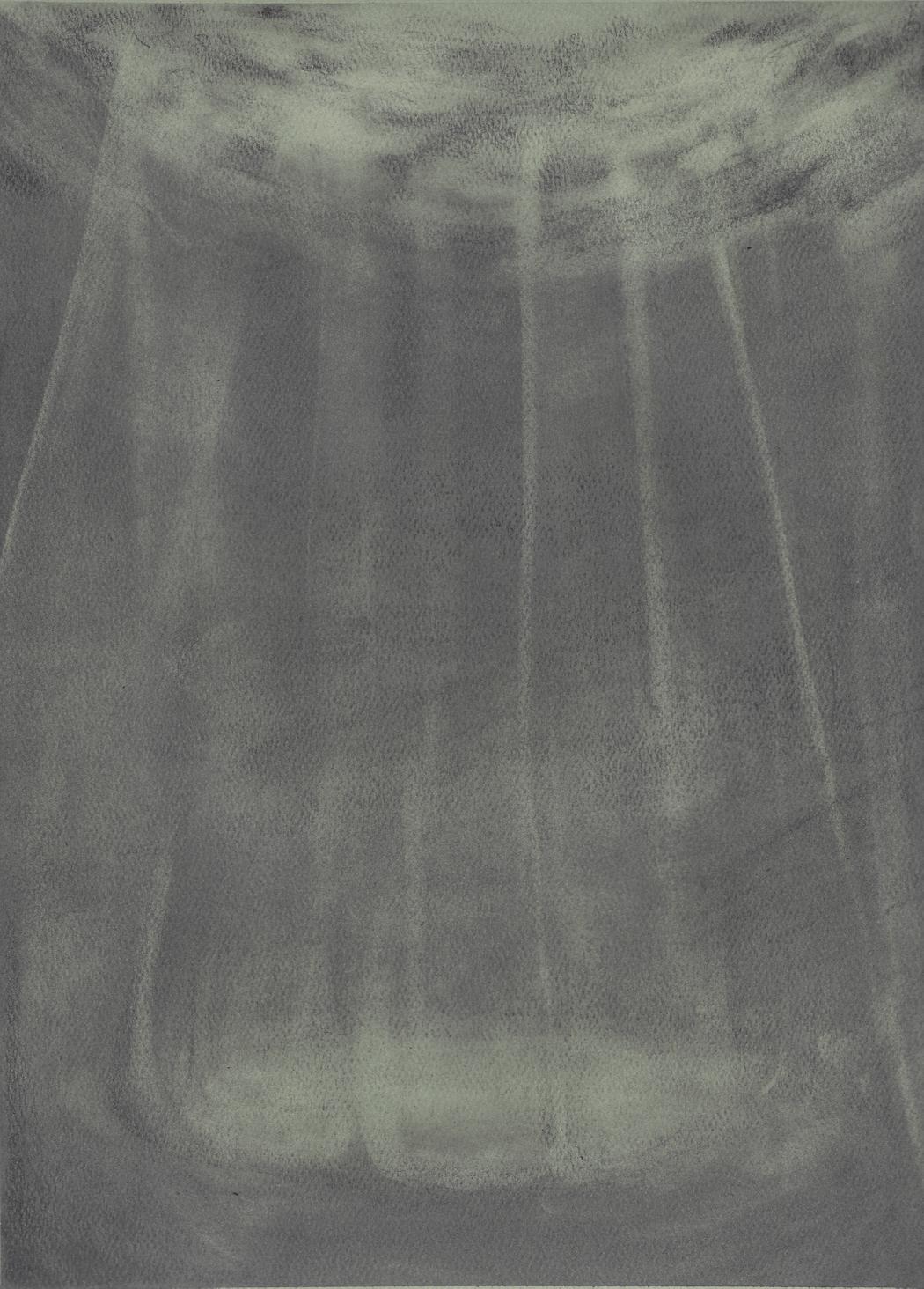 David Bipolo | Il revient! Bi so yang! | 2025
Your imagery includes references that may evoke religious iconography and figures of salvation. Were you inspired by any specific historical or cultural visual traditions while developing this series?
I was raised by two Gabonese and Christian parents that work in critical history and education, for the short answer.
For the long answer, talk to my mother. Hi, Ama!
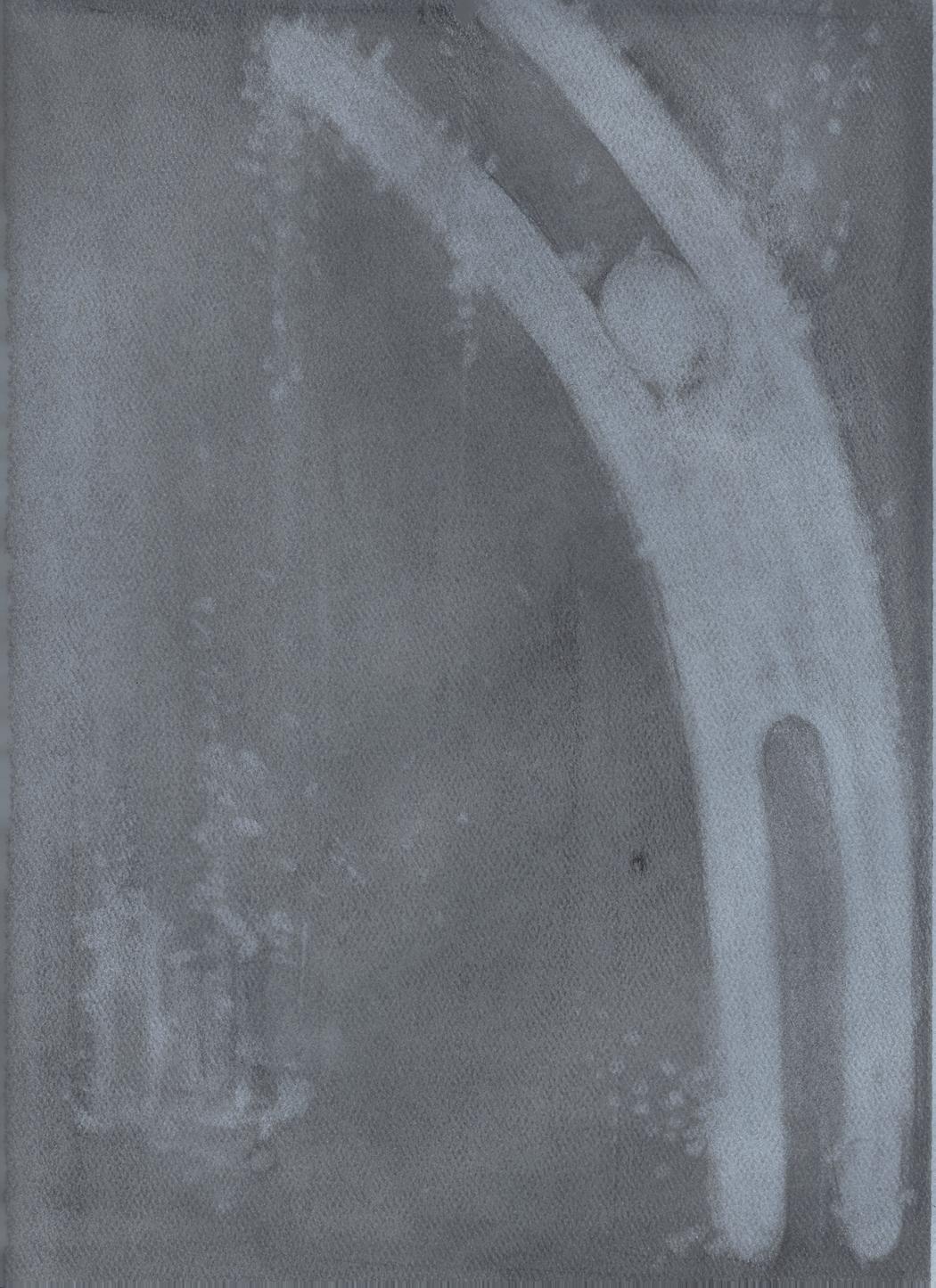 David Bipolo | Il revient! Bi so yang! | 2025
You describe faith as something that operates between sensitivity, madness, and lies. How do you personally position yourself between belief, skepticism, and observation as an artist?
In the belief part, made from dust part. Jesus, if you didn’t get it. But yeah, faith is hard, faith is real. We all need faith, to believe in something, especially in times of change. Skepticism is also necessary. You cannot get answers without questions.
As an artist, I don’t think too much about finding a deeper meaning in the process. Creation is already metaphysical enough.
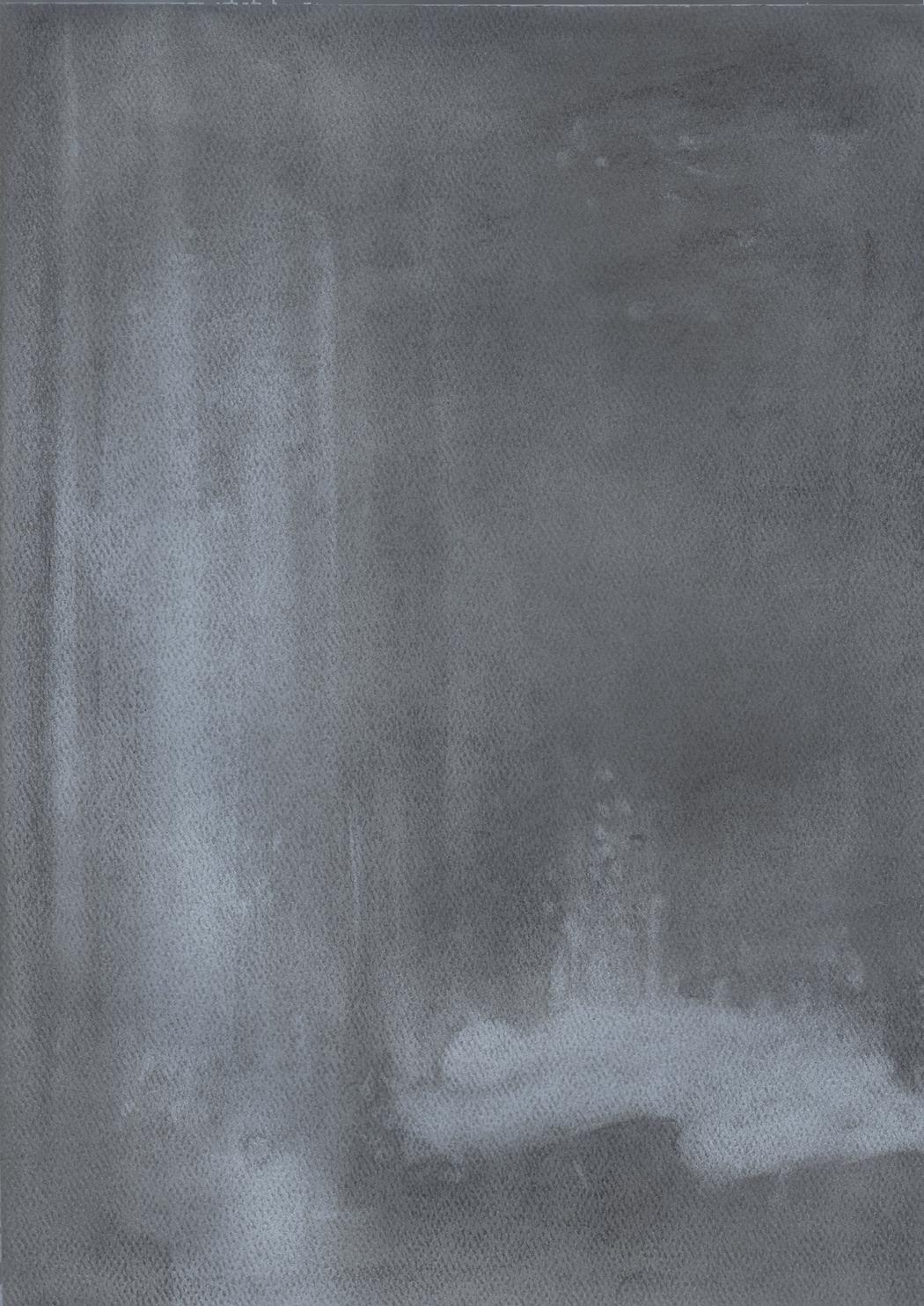 David Bipolo | Il revient! Bi so yang! | 2025
Having grown up between Gabon and Canada, do you feel that your cultural background influences how you perceive religious narratives and collective belief systems?
Yeah, it is a foundational aspect of the work. Again, it is living in the intersection. It makes you question your experiences and interrogate your stature in hectic spaces. It puts in front of you the fears, the falls, the feelings. To migrate, man, it’s a heavy let go. Faith stays, the manifestation of it does change, every day, every time.
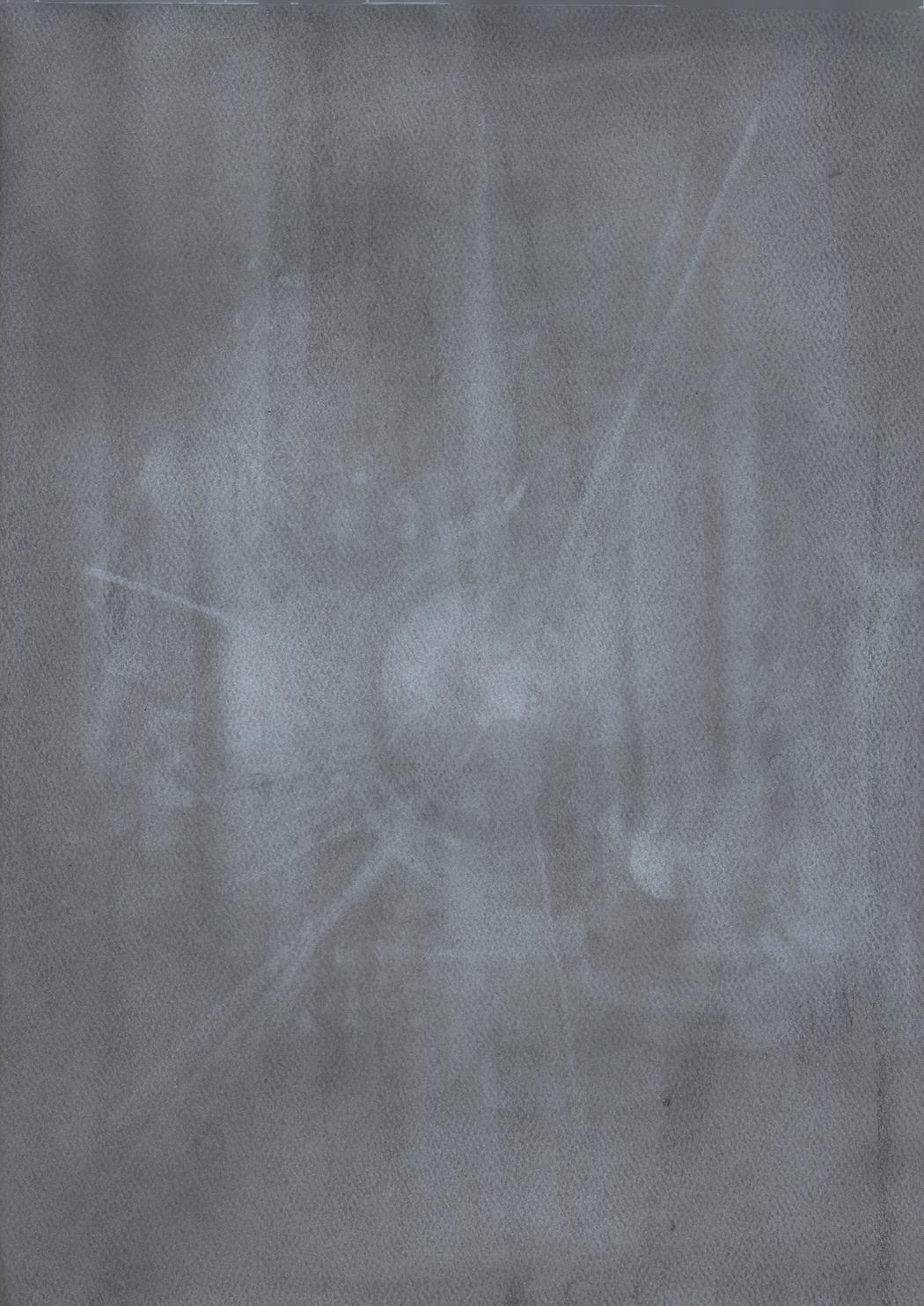 David Bipolo | Il revient! Bi so yang! | 2025
What kind of emotional or intellectual response do you hope viewers experience when encountering this series?
That they be intrigued, maybe perplexed.
Leave a Reply
You must be logged in to post a comment.