
Franklin Silva
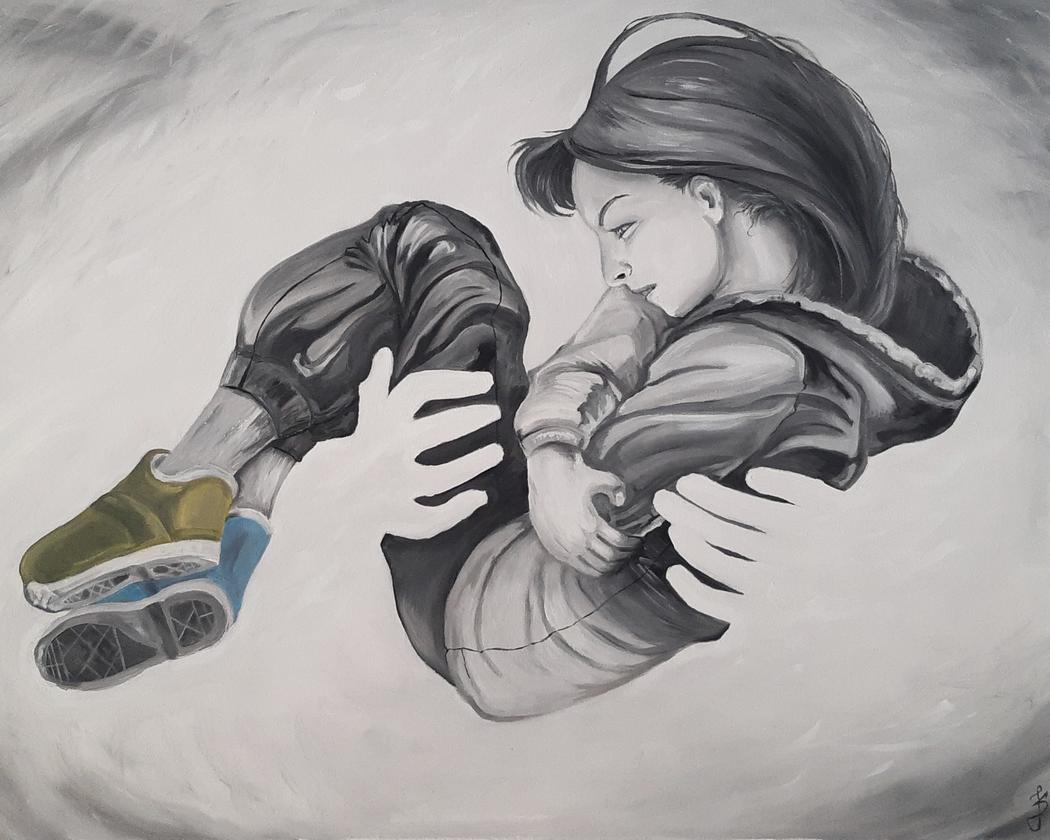 Franklin Silva | Stop
Your works often explore the relationship between nature, human beings, and society through fragmentation and surreal imagery. How do you develop these symbolic compositions, and where does the idea usually begin?
There was a time in my life when I spent a lot of time observing nature, and I realized that we walk together. The act of observing so much and knowing that we are part of it all helped me create the series Nature and Humans.
I believe that creative people have creative bursts all the time. There have been several ideas in my head that I ended up not executing because I couldn’t find a style to express them.
Therefore, I believe that time spent thinking and observing is the start to begin developing a new idea. After that, the development period is random, because I never know how long I will need to execute an idea, whether it’s an individual piece or a new series and artwork.
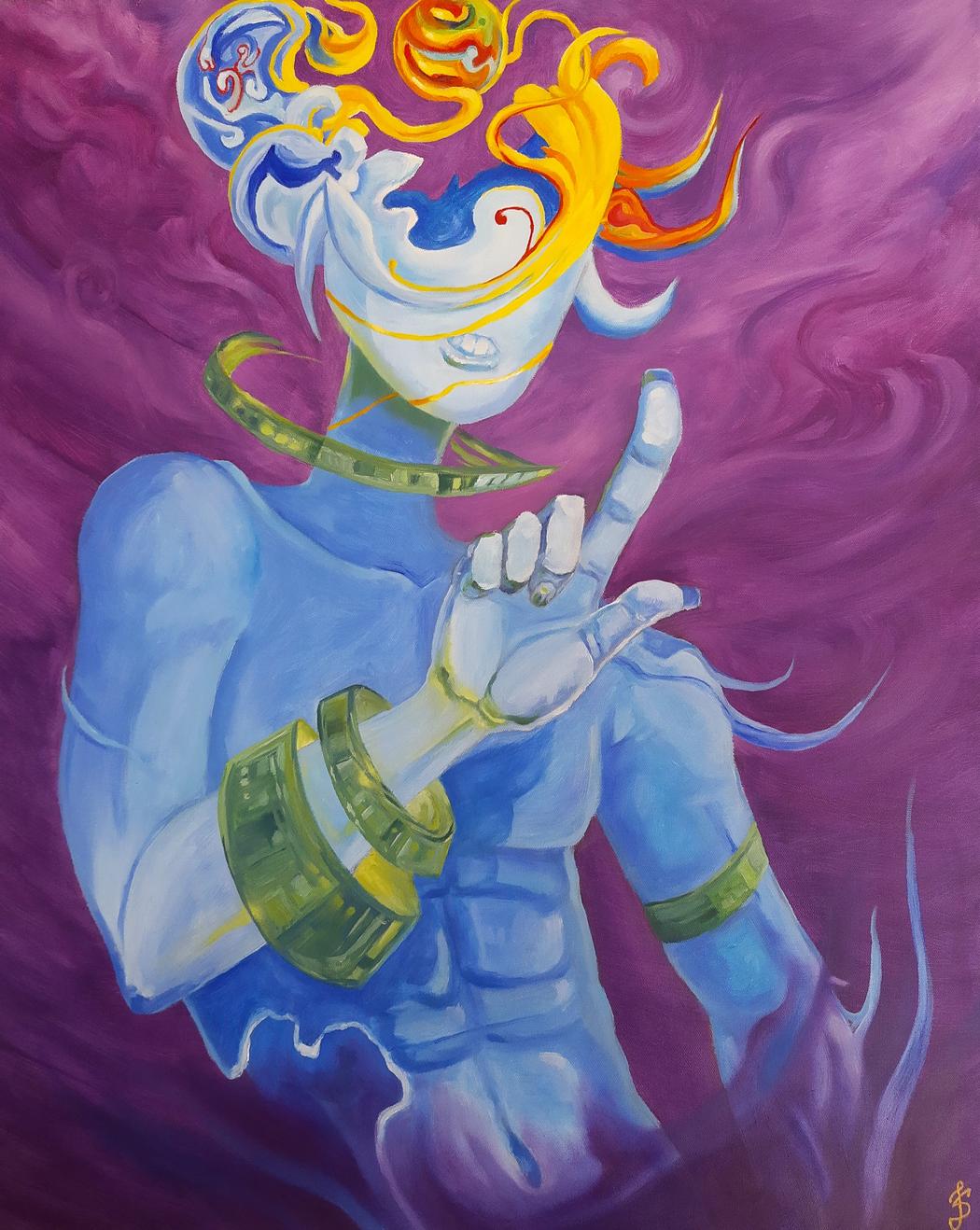 Franklin Silva | Pride
You mentioned that surrealism has been a strong influence since childhood. What draws you to surrealism as a language of expression, and how has your interpretation of it evolved over the years?
Surrealism allows me to dream, to believe that everything that exists in my mind can be true. I don’t need to follow labels, I just imagine that at some point in my head I take a picture and transfer it to the canvas as an impression! Thus, we understand that each canvas is a fragment of this world of fantasy without limitations.
Surrealism also allows me to use signs to direct reasoning in the form of art. Every element present was thought out, it wasn’t inserted to look “pretty”. If something is there, there’s a reason for it!
Many of your portraits seem to exist between dream and reality. What role does the subconscious play in your creative process?
Our subconscious is an accumulation of things and situations. I think it plays a fundamental role in my artistic work. A good part comes from the subconscious, and at other times it comes from research and studies on the subject matter.
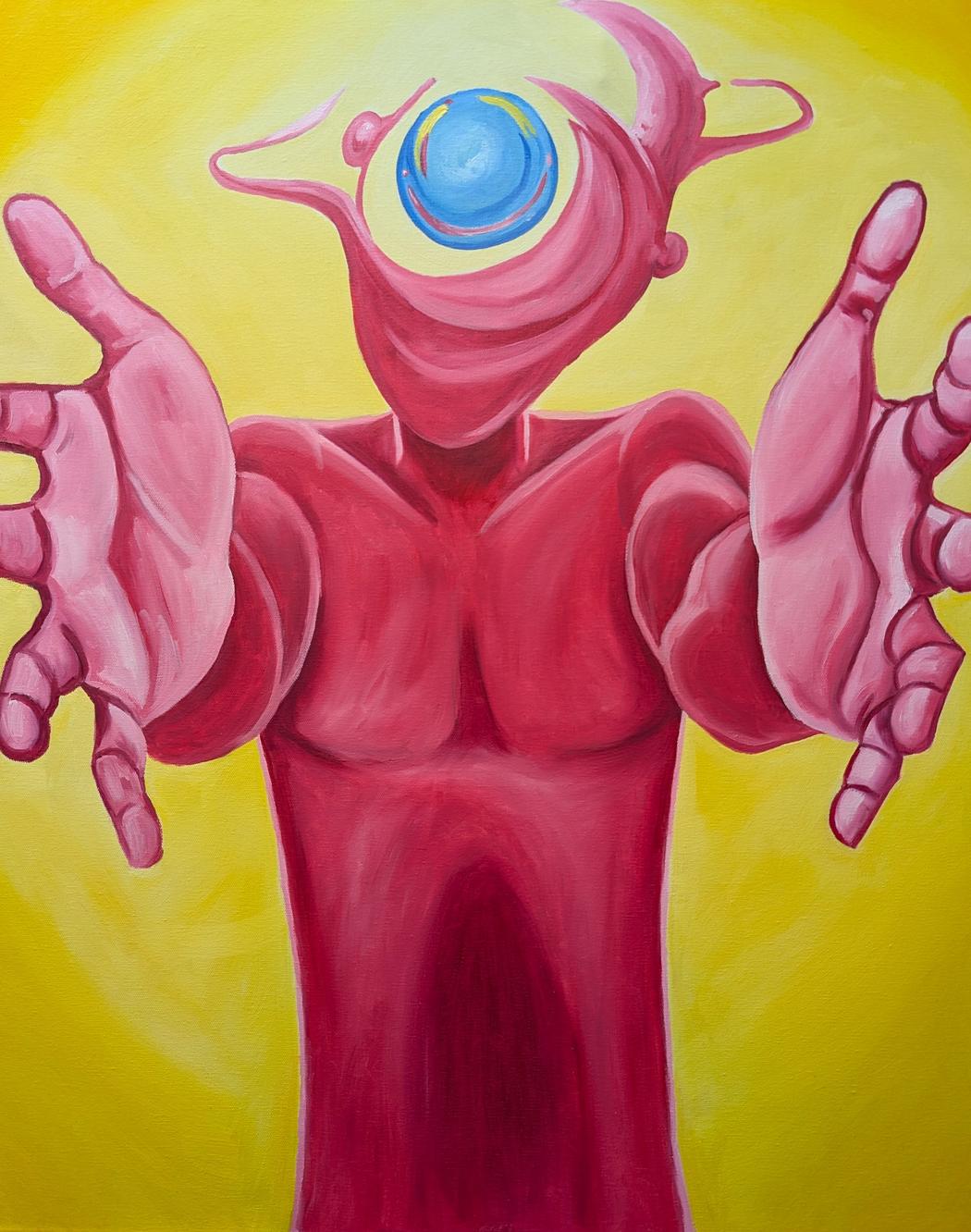 Franklin Silva | Pans
In your statement, you describe your artistic path as a “journey” with pauses, detours, and returns. How did your period of distance from art shape the work you create today?
I believe that everything in life has its proper time. Over the years I’ve noticed that this is becoming more evident. The moment I stopped drawing allowed me to return with more strength, and ideas accumulated in my mind came to the surface. I don’t regret having stopped drawing for approximately 12 years. I know that everything has a reason or purpose. And I know that the moment I returned to what I love to do, my mind was better prepared to create, compose, study, redo, finalize, and share with everyone what I have to say.
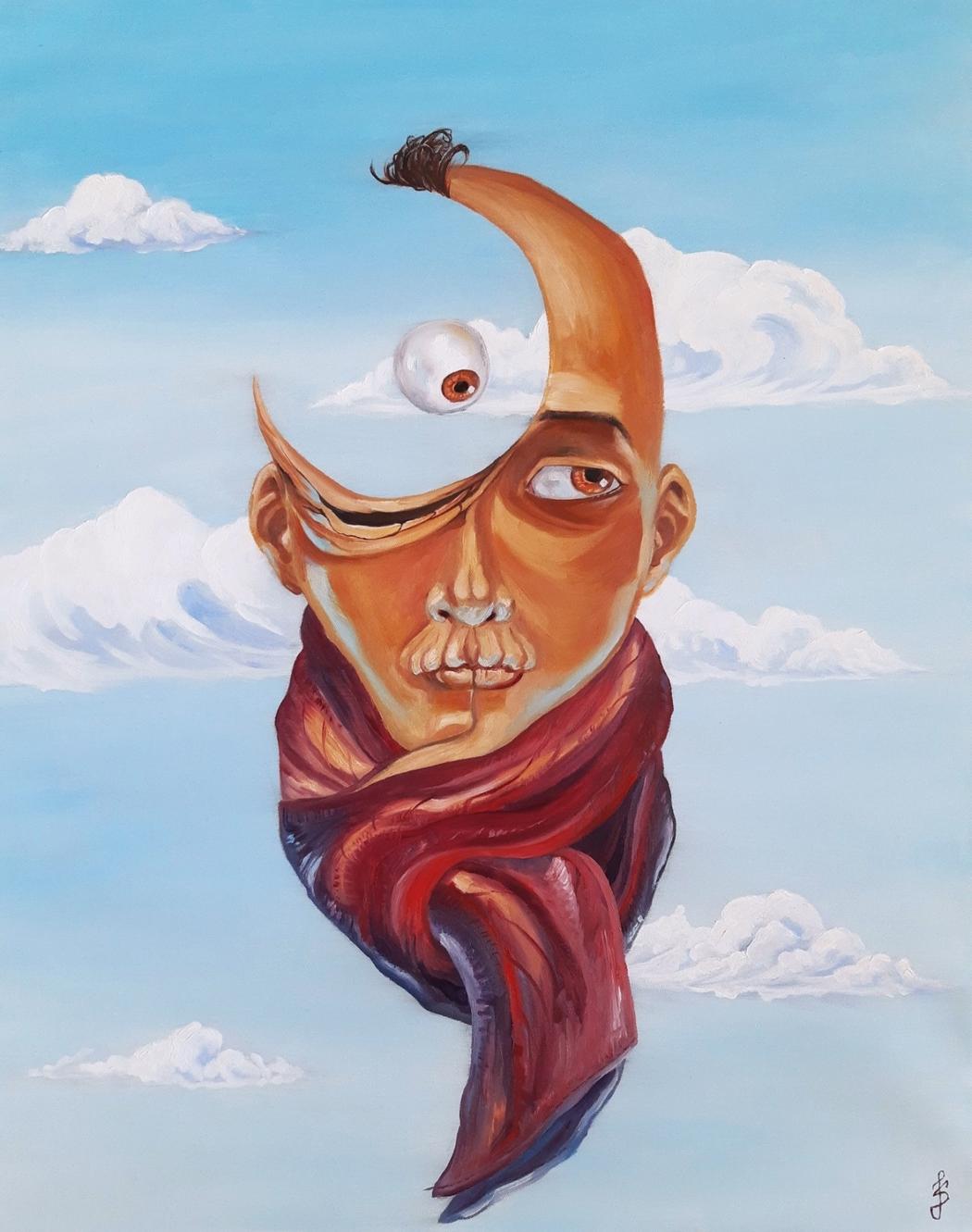 Franklin Silva | Lost
You work with a wide range of techniques – charcoal, ink, oil, woodcut/linocut, and digital media. How do you decide which medium best expresses a particular idea?
Oil paint is definitely my passion! The feel, how the paint behaves, the gesture, always fascinates me. Now with digital art, it’s a pre-draft before doing the oil painting. Digital allows us to try various things without extra material costs, so as soon as I’m sure of what I want to do with the work digitally, I make the final version of the classic with oil paint.
I still want to do a series with woodcuts, but I’ll need more time to work on a series with this medium.
So, oil is my greatest love, and digital is my greatest ally in creating my works.
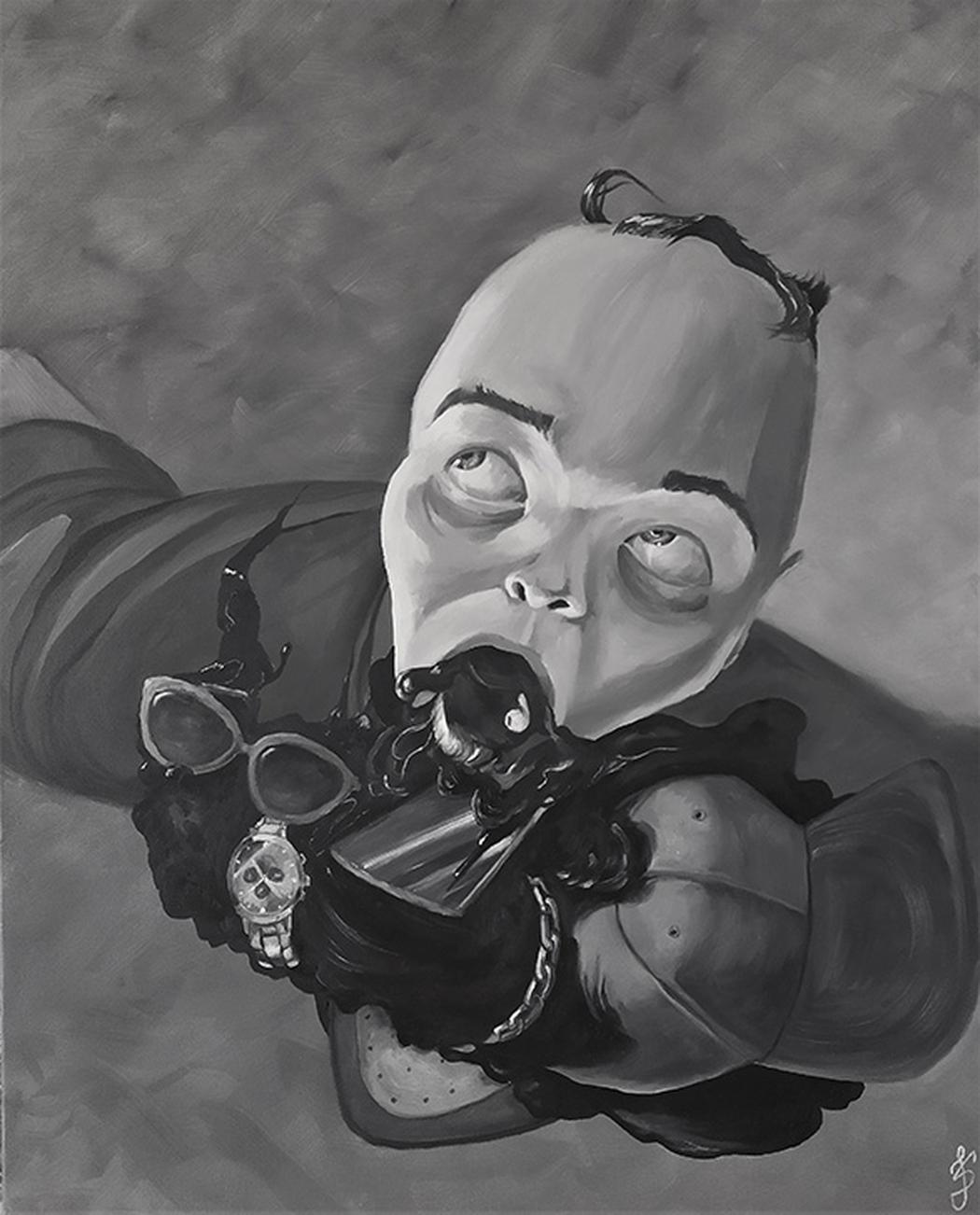 Franklin Silva | Gluttony
Some of your works appear emotionally intense, dealing with fatigue, vulnerability, and inner conflict. Is art for you a form of self-reflection, social commentary, or both?
I believe both.
Because producing art gives us one vision and idea; consuming art gives us another vision and idea. Some of my works contain a piece of something from a particular event, but others are simply the desire to talk about something important, even if it’s just a small piece of an event from someone else!
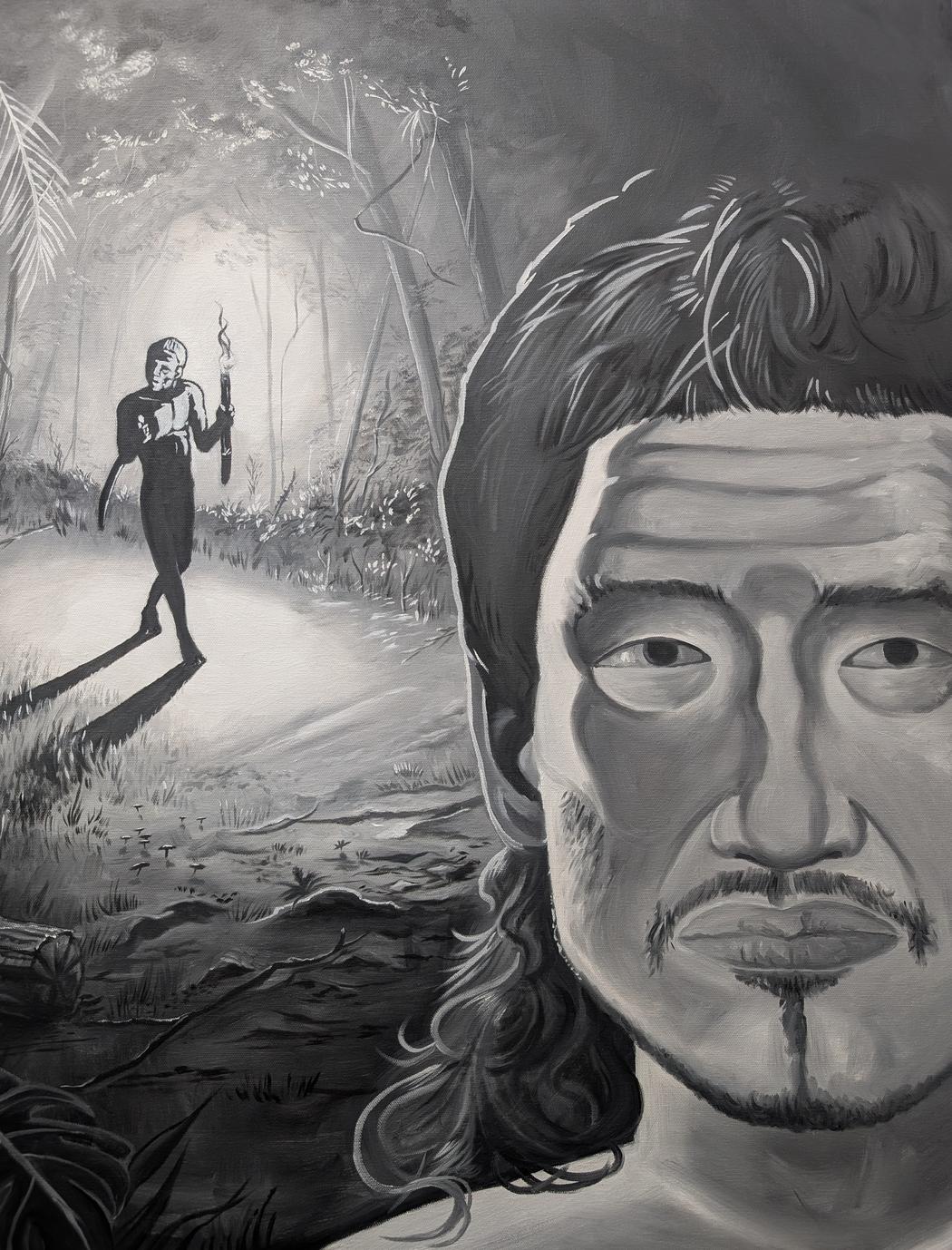 Franklin Silva | Last two
You have experience as an art instructor and community-based artist. How does teaching and engaging with others influence your own creative practice?
We have so much to learn from others. Not ignoring this allows us to learn faster and think of other ways to do artistic work. I am very happy to have an active community that practices art challenges. The fact that I can have a glimpse of other people who often don’t work with art is fascinating. Practicing in a group allows me to rethink ways to bring something to them more efficiently.
Leave a Reply
You must be logged in to post a comment.