
Marina Bojanic
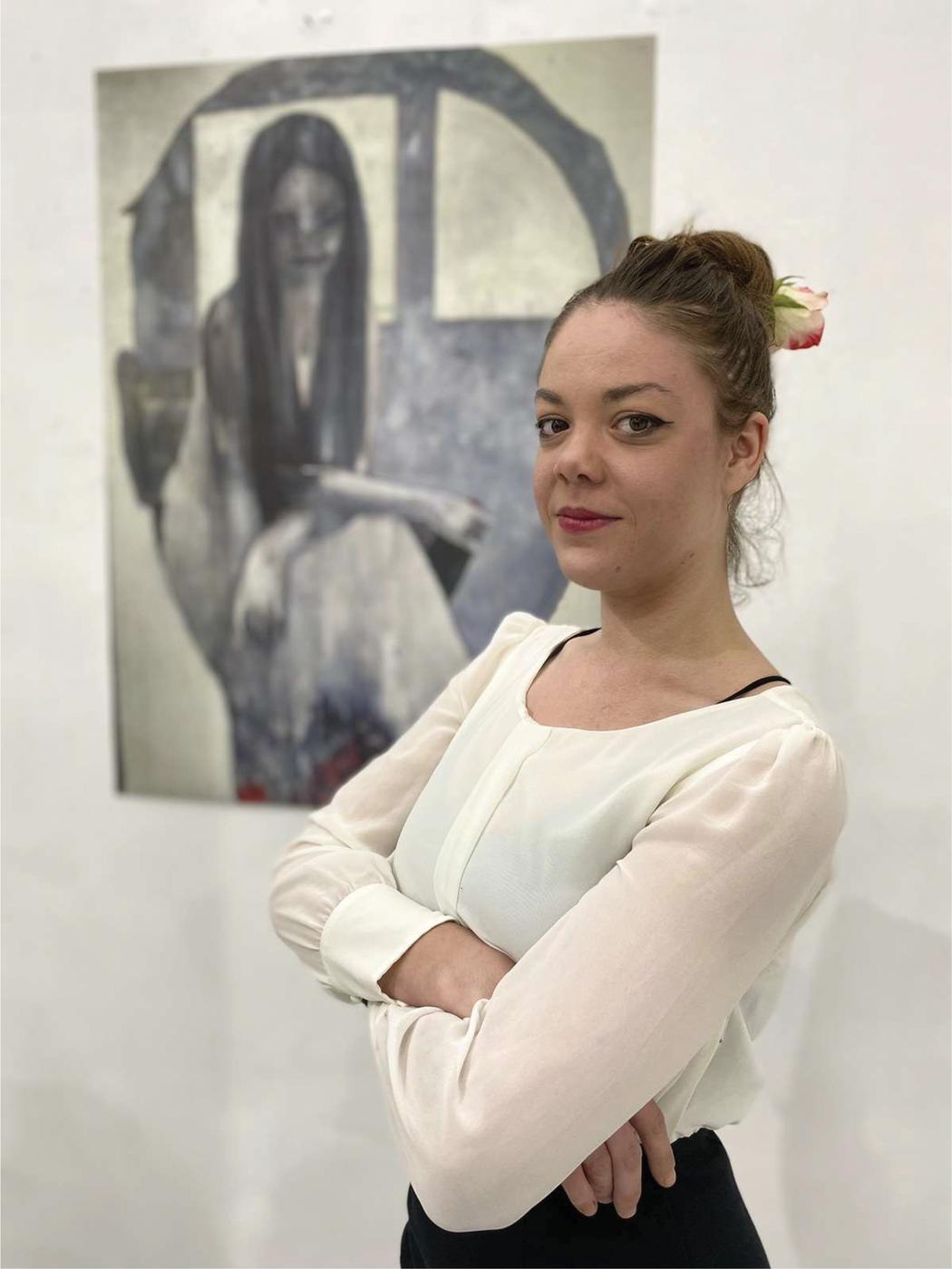
Your paintings often depict the human figure in states of tension, silence, or inner conflict. What draws you to these psychological and emotional states?
I am drawn to moments that exist just before an emotion becomes visible — states of inner pressure, silence, and unresolved tension. These psychological spaces feel more honest to me than explicit narrative or action. I am interested in what the body carries when words fail: suppressed fear, vulnerability, endurance, and quiet resistance. Painting becomes a way to give form to what is usually hidden or unspoken.
Many of your works seem to balance between visibility and erasure — faces blurred, bodies fragmented, gestures interrupted. What role does disappearance or obscuring play in your artistic language?
Obscuring is essential to my visual language because it mirrors how identity and memory function — incomplete, fragile, and constantly shifting. By erasing or fragmenting the figure, I create space for ambiguity and projection. The absence becomes as important as the presence. I am not interested in describing a specific individual, but in evoking a psychological state that could belong to anyone.
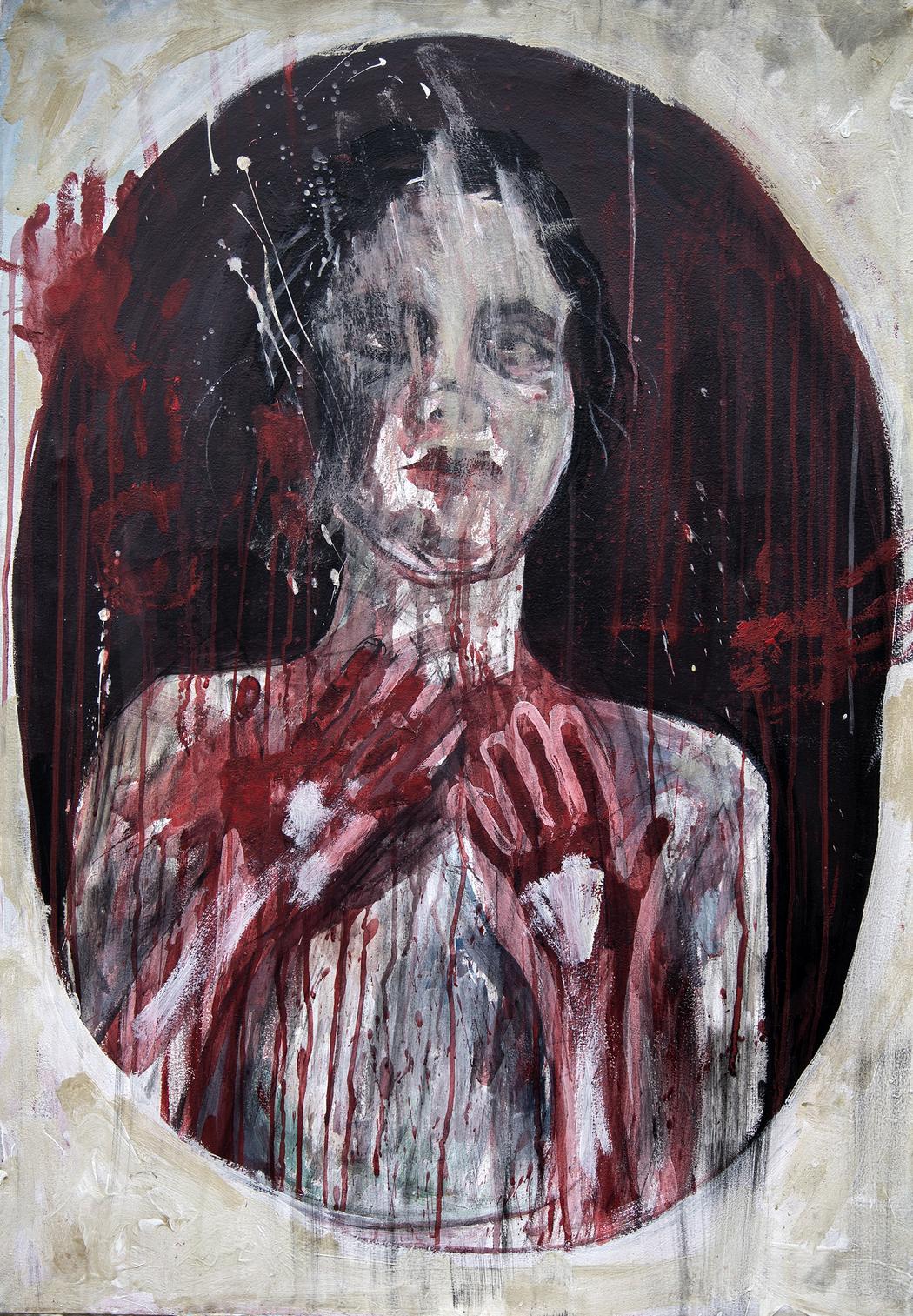 Marina Bojanic | Mirror | 2023
Red appears as a recurring and powerful element in your paintings. How do you personally interpret this color — emotionally and symbolically?
For me, red exists between contradiction and intensity. It carries associations of life, flesh, violence, passion, and sacrifice. Emotionally, it represents exposure — something raw and impossible to ignore. Symbolically, red often marks a wound, a threshold, or a point of no return. It is not decorative in my work; it appears when something essential must surface.
How does your academic background in painting influence your current practice, and at what point do you consciously step away from academic rules?
My academic training provided discipline, structure, and a deep respect for material and technique. However, I consciously step away from academic rules when they begin to limit emotional truth. Once technical control is internalized, breaking it becomes necessary. My current practice balances precision with intuition — allowing accidents, distortions, and raw gestures to remain visible when they carry meaning.
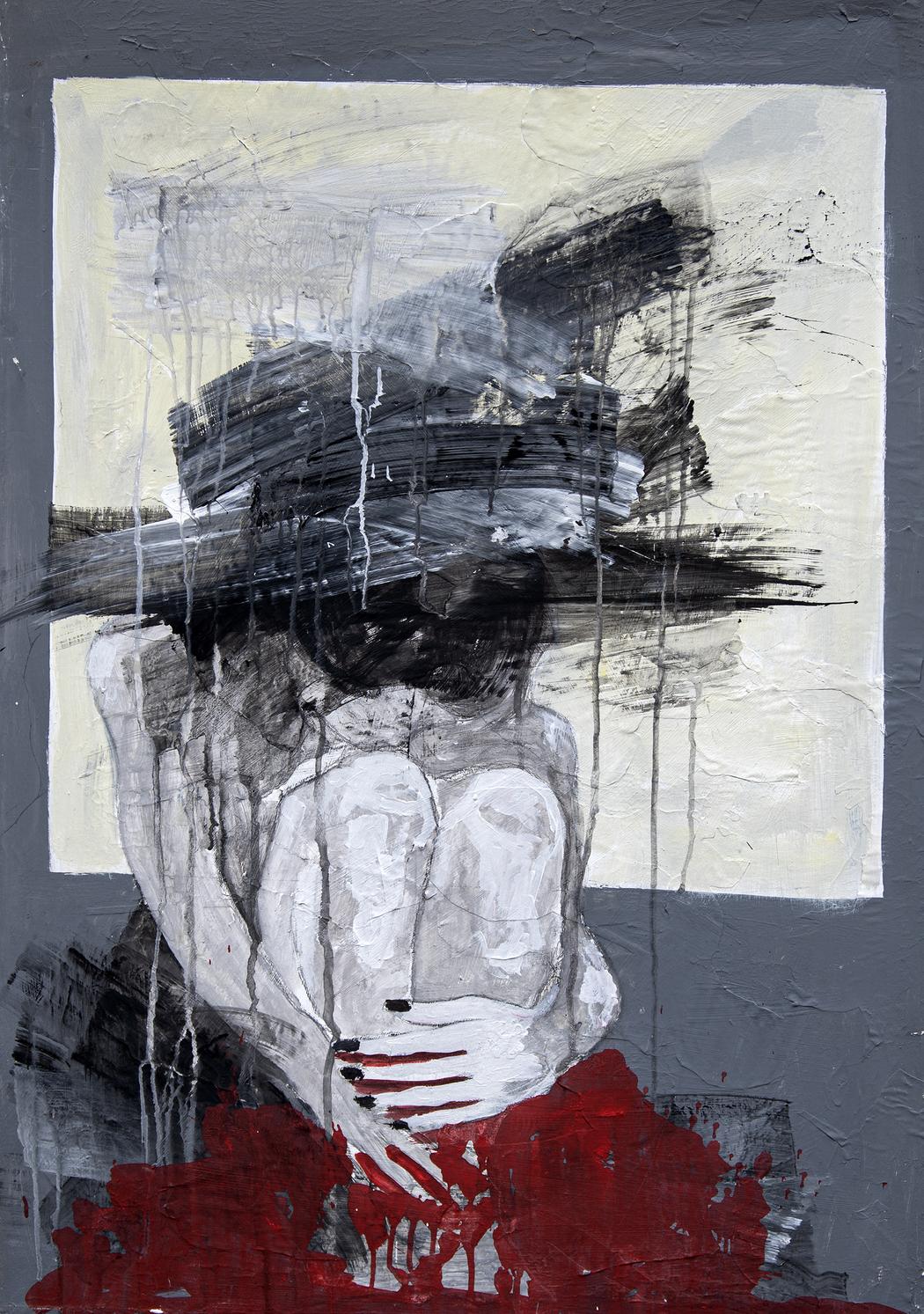 Marina Bojanic | Pain | 2024
As someone trained in restoration and conservation, how does working with historical artworks affect the way you approach creating new paintings of your own?
Working with historical artworks has given me a heightened awareness of time, fragility, and responsibility toward material. Restoration teaches patience and humility — you are never the owner of the artwork, only its temporary guardian. This perspective influences my own painting process: I work slowly, deliberately, and with respect for the material, while also accepting decay, imperfection, and vulnerability as part of the work’s life.
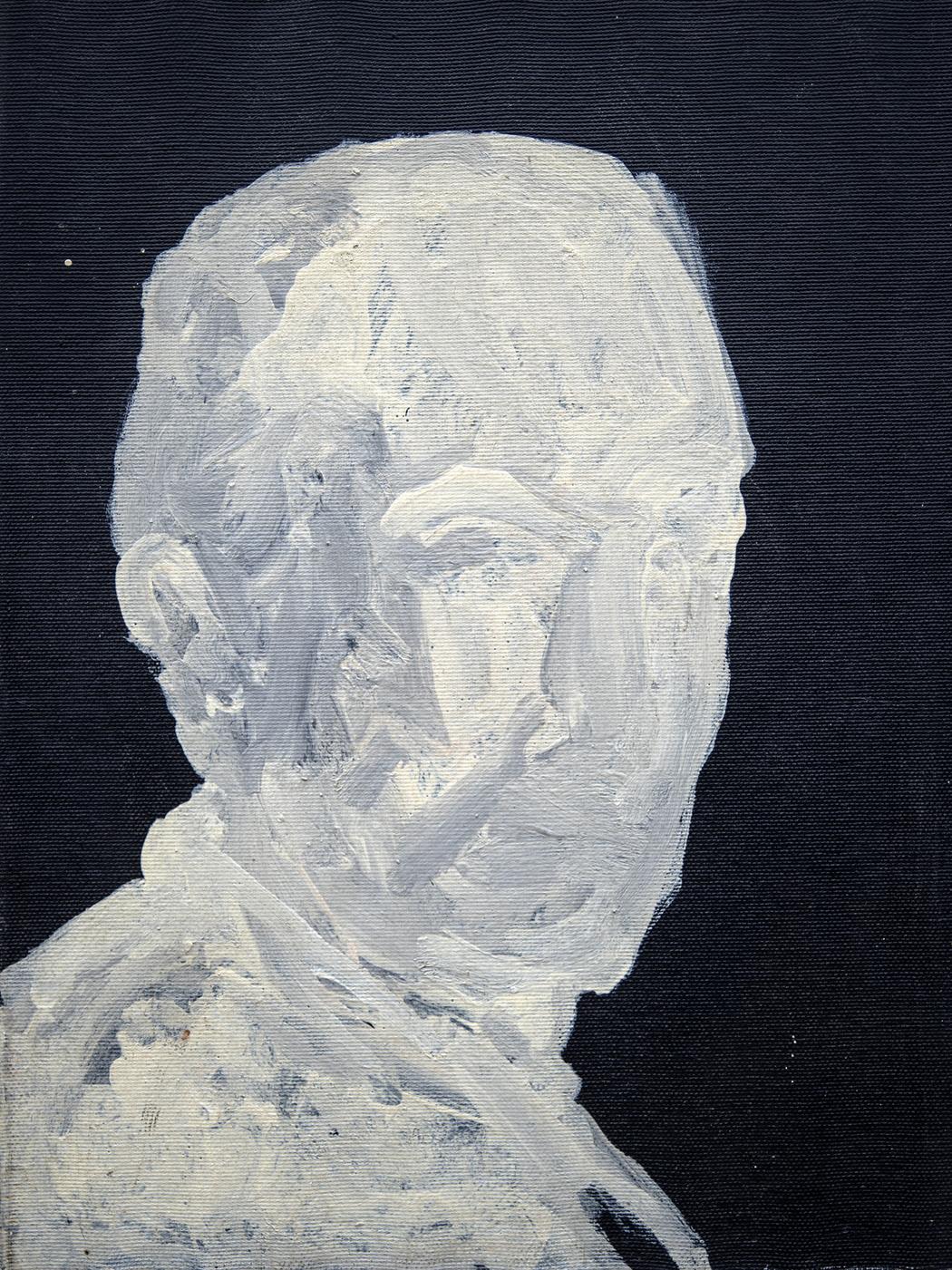 Marina Bojanic | Peace | 2023
How has your transition from student to professional artist influenced your sense of responsibility, freedom, or pressure in making art?
Becoming a professional artist has intensified both freedom and responsibility. The freedom comes from trusting my own voice, while the pressure comes from sustaining it honestly. There is no longer an external structure to hide behind. Every decision feels more exposed, but also more necessary. This tension has pushed my work toward greater clarity and sincerity.
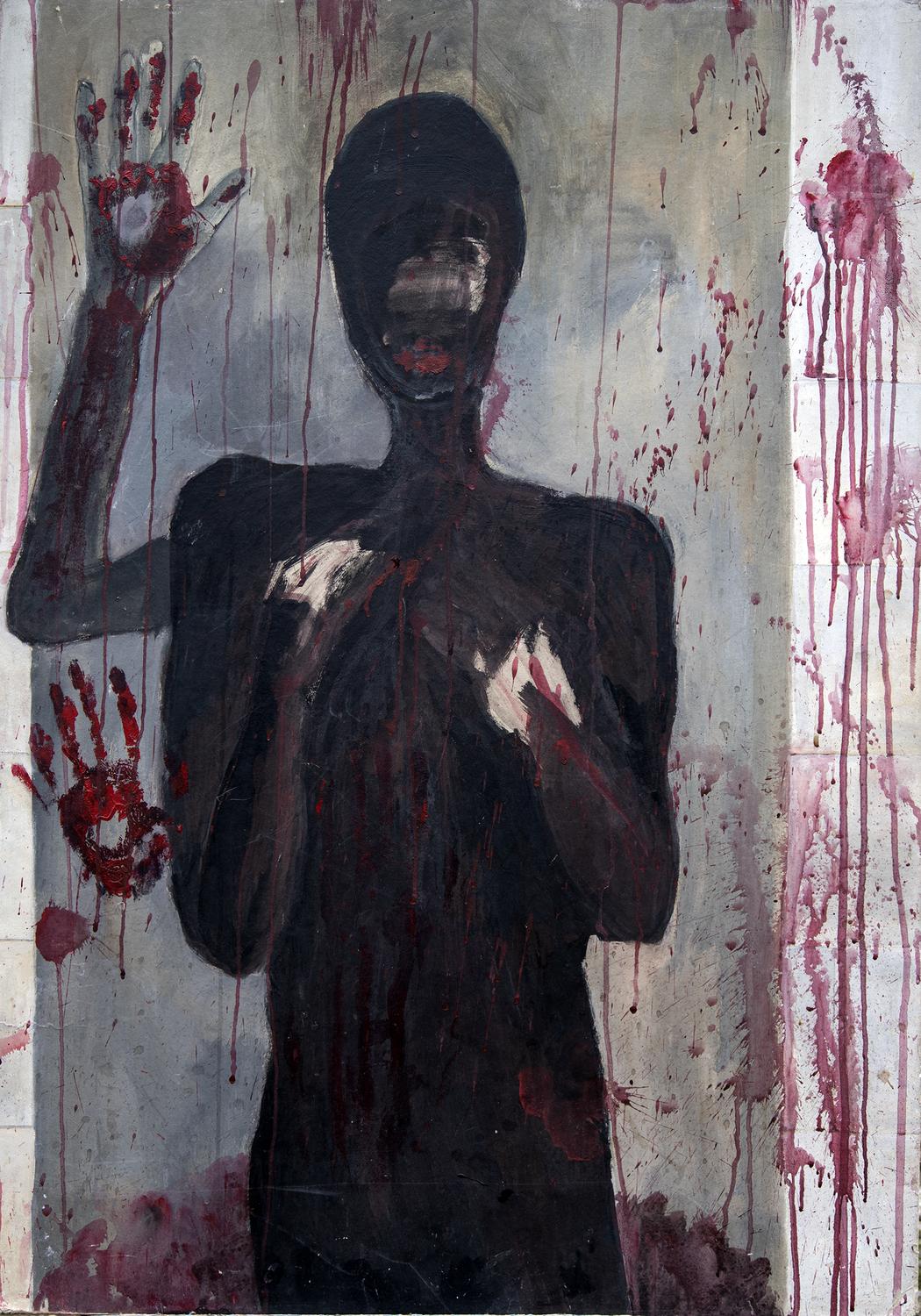 Marina Bojanic | Reflection | 2023
What questions or emotions do you hope remain with the viewer after encountering your work?
I hope the viewer leaves with a sense of unease mixed with recognition — a feeling that something personal has been touched but not fully explained. I want the work to linger as a quiet question rather than a clear answer, inviting reflection on vulnerability, silence, and the complexity of being human.
Leave a Reply
You must be logged in to post a comment.