
Mad Riande
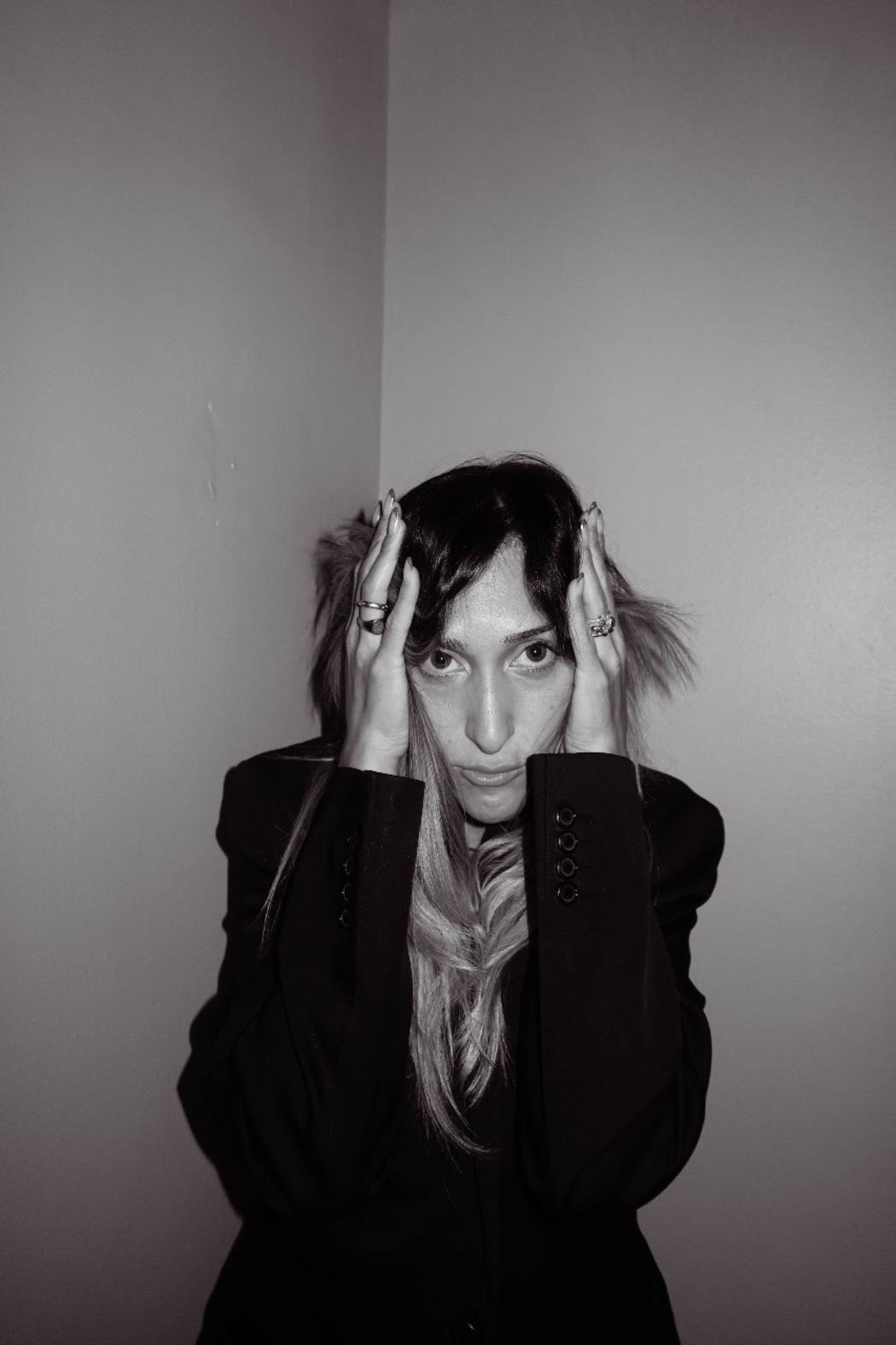
Your work often presents the human body in a state of transformation. What initially drew you to this intersection between biology and technology?
I am drawn to the body as a site where multiple systems—biological, psychological, and technological intersect. Rather than viewing technology as external, I see it as already embedded in our perception, cognition, and embodiment. My work explores transitional states in which the human body becomes a laboratory of co-evolution, reflecting both our internal psychological landscapes and the external technological forces that reshape them.
Many of your pieces suggest a hybrid future between organic and artificial systems. Do you see this future as inevitable, or as something we still have agency over?
I view this hybrid future as both emergent and contingent. Technological evolution progresses rapidly, but the forms it takes are shaped by cultural, ethical, and psychological choices. My practice explores this tension highlighting how we can engage, intervene, or reflect on these convergences before they become normalized, while acknowledging that some degree of transformation may be unavoidable.
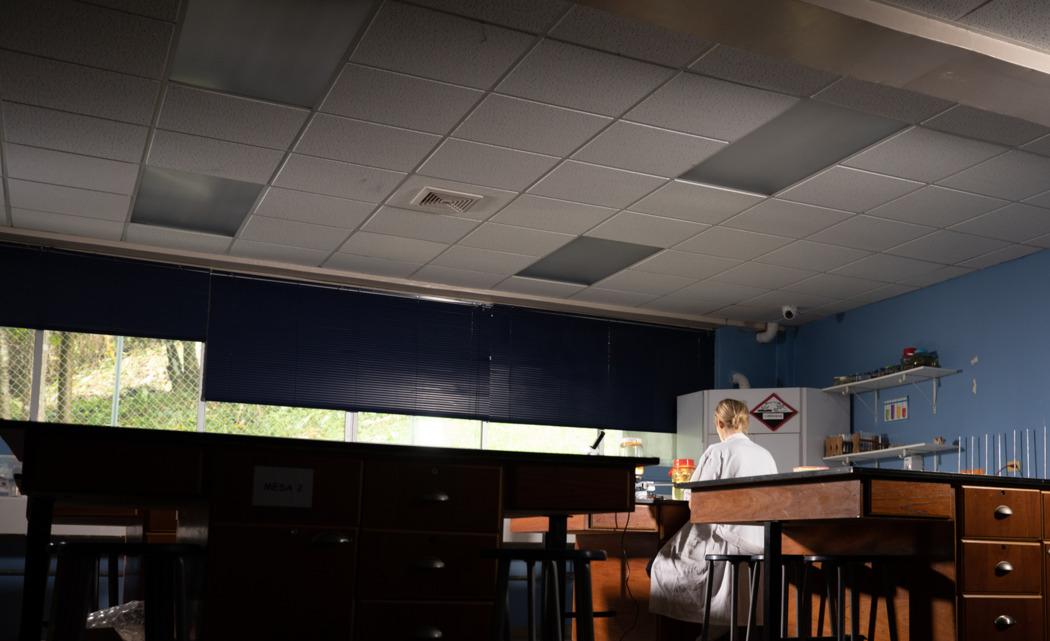 Mad Riande | Cyborgism | 2023
How does your background in industrial design influence your artistic approach and material choices?
Industrial design trained me to think critically about materiality, structure, and systems, which I now bring into my artistic practice. I experiment with diverse materials not only for their aesthetic or tactile qualities, but as part of hypotheses about perception, interaction, and transformation. This approach allows me to construct works that are simultaneously rigorous, playful, and exploratory, integrating form and function into the conceptual inquiry.
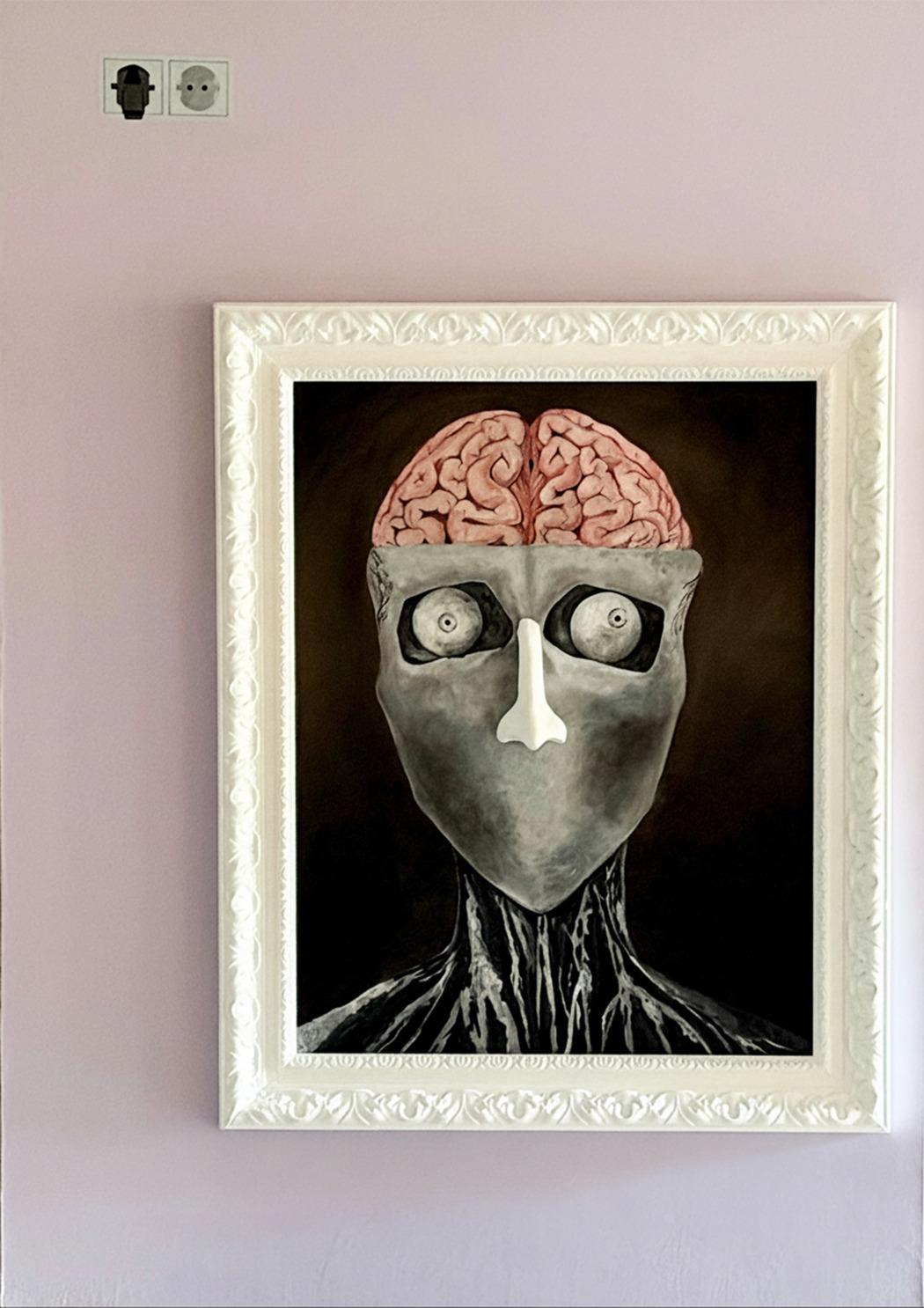 Mad Riande | KE= 1 | 2025
You work across multiple mediums, including interactive systems and Arduino-based works. How important is interactivity in shaping the meaning of your work?
Interactivity is central because I treat objects as living hypotheses rather than fixed expressions. Materials, forms, and interfaces are in dialogue with the viewer, responding, breathing, and evolving through engagement. Arduino and other responsive systems allow the work to extend beyond static materiality, creating feedback loops in which the viewer becomes part of the work’s behavior. Interactivity transforms the piece from an object into a dynamic system, existing at the threshold between control and unpredictability.
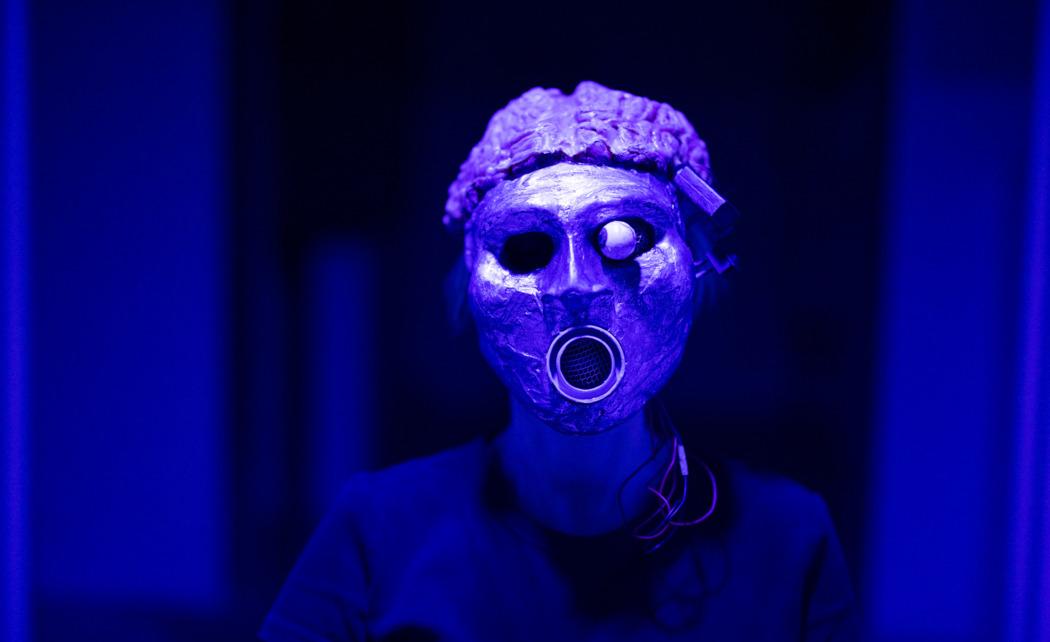 Mad Riande | Cyborgism | 2023
In your practice, exposed anatomical elements appear frequently. What role does vulnerability play in your artistic narrative?
Vulnerability operates on multiple levels: physical, psychological, and technological. Exposed anatomy makes visible what is usually hidden, inviting reflection on fragility, transformation, and adaptation. It also positions the viewer to confront uncertainty and contingency, emphasizing that vulnerability is not weakness but a site where emergence and new forms of embodiment become possible.
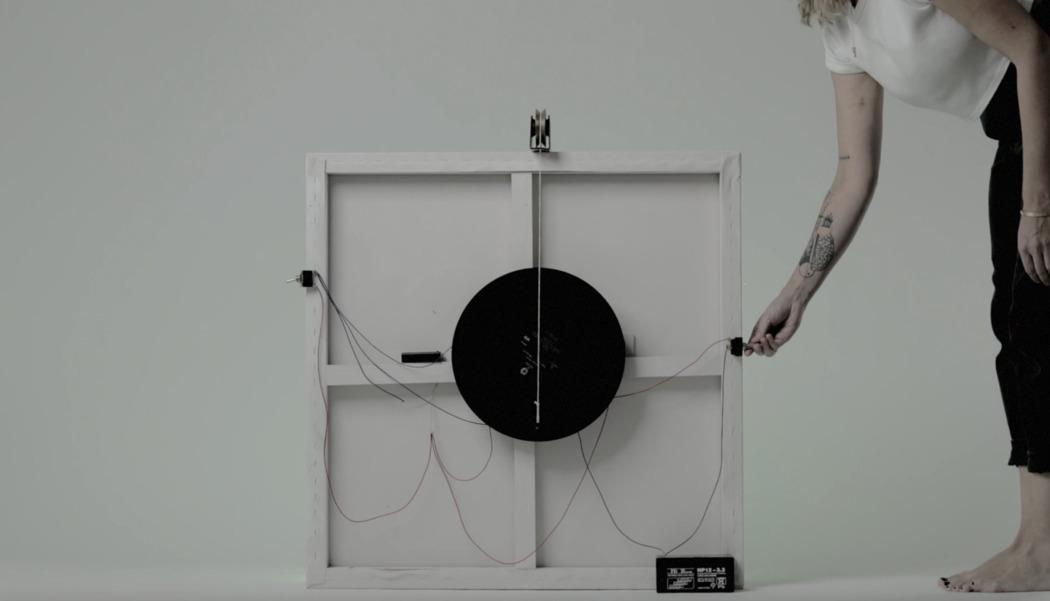 Mad Riande | Strabi=vismuz | 2023
Many of your works evoke discomfort or unease. Is this reaction something you intentionally seek from the viewer?
Yes, but indirectly. Discomfort functions as a tool for perception, opening a space for contemplation and engagement. By unsettling familiar notions of the body, cognition, and identity, the work encourages viewers to critically reflect on how technological, biological, and psychological systems co-evolve without prescribing a single moral or emotional response.
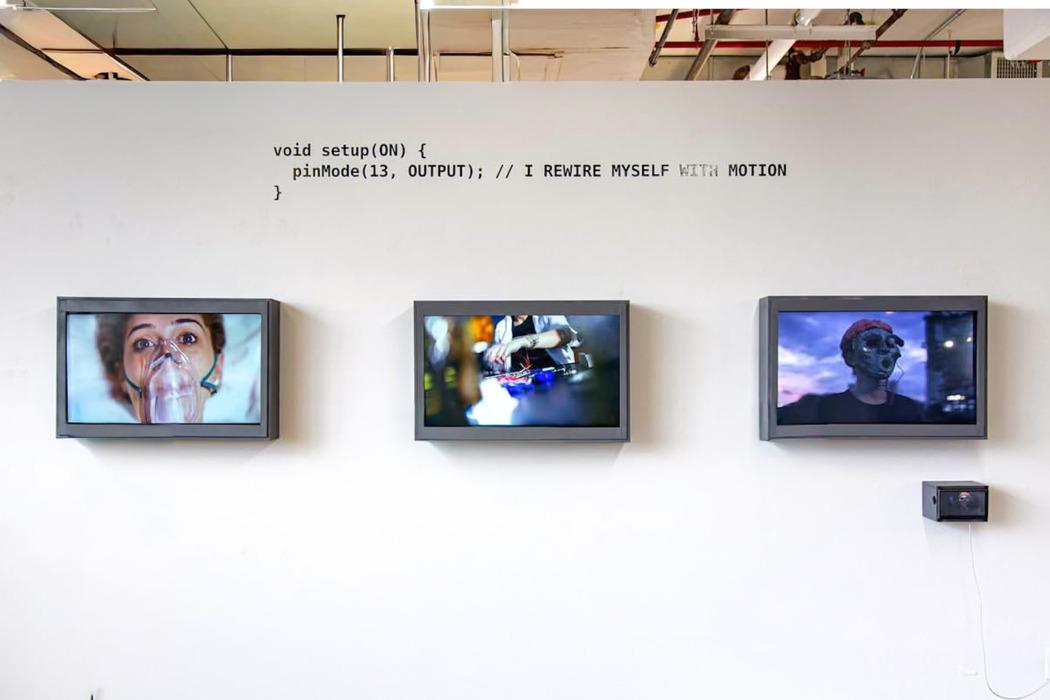 Mad Riande | Cyborgism | 2023
Do you see your work as speculative fiction, a warning, or a reflection of present realities?
My work occupies all three registers. It speculates on futures shaped by the convergence of mind, body, and technology, reflects present realities of embodied cognition and digital mediation, and invites consideration of ethical, existential, and ontological implications. In this way, the work functions as both inquiry and proposition, situating artistic practice as a mode of research into evolving forms of human subjectivity.
Leave a Reply
You must be logged in to post a comment.