
Lucrezia Nebbia
 Lucrezia Nebbia | Fosfeni | 2026
Your project Flashes of Light – Phosphenes explores the edge of vision. What first drew you to this fragile and unstable visual experience?
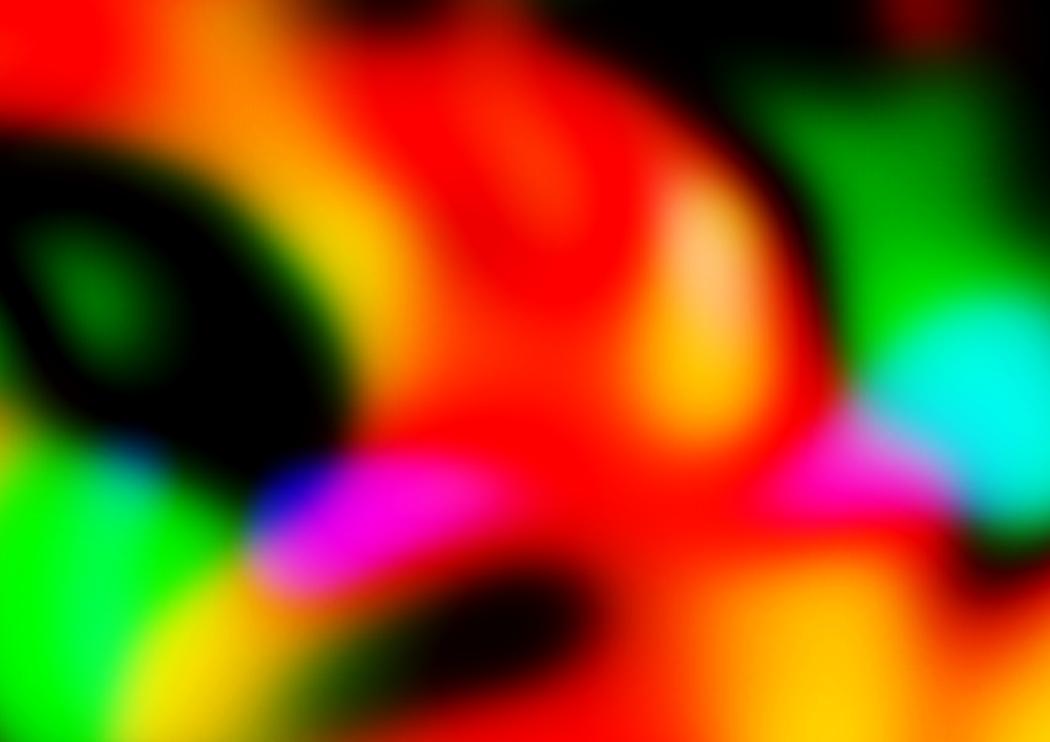
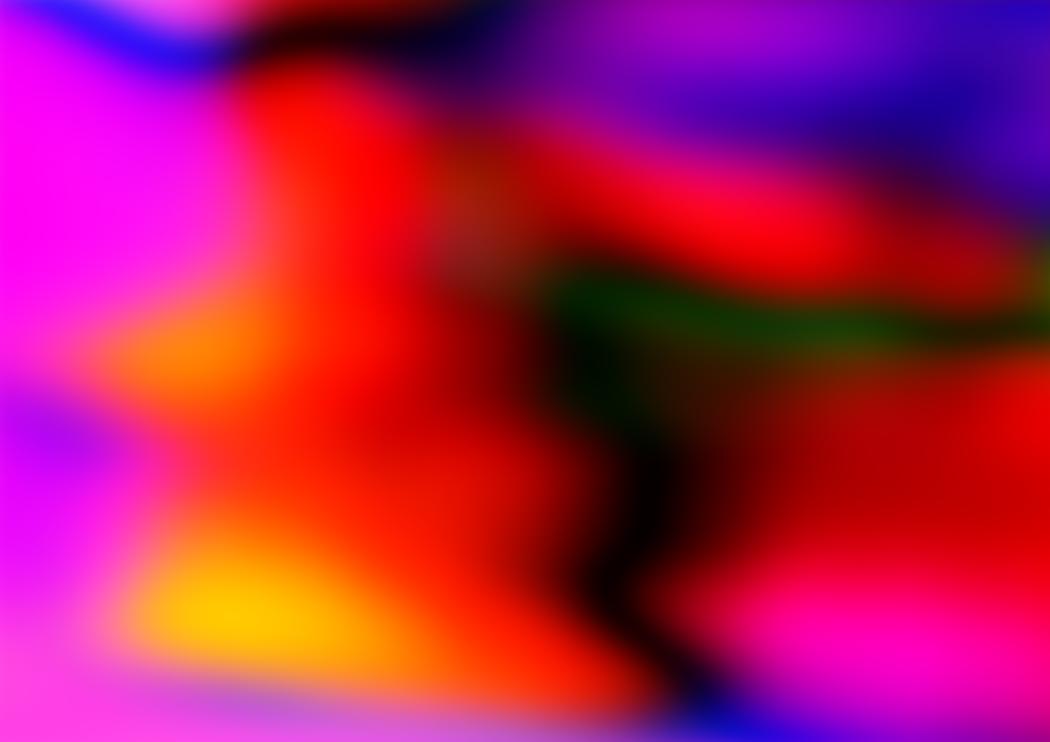
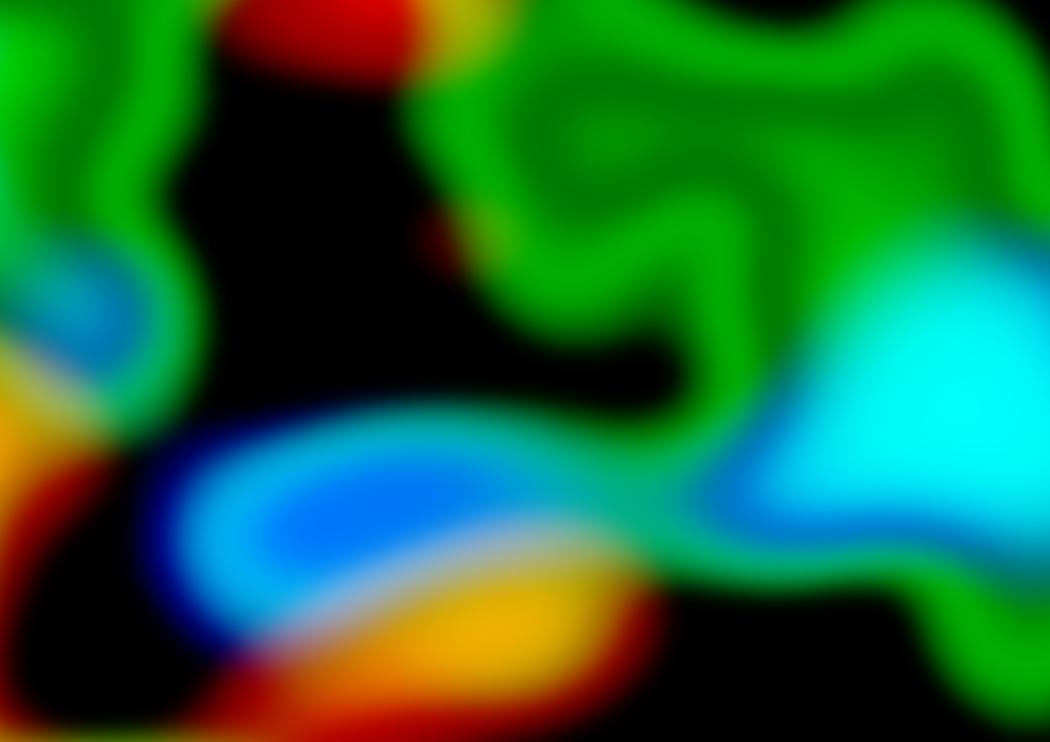
I was drawn to phosphenes because they represent an extremely elusive form of vision, which deeply resonates with how I experience images. I am interested in everything that exists on the threshold between what we actually see and what we perceive internally, through emotion and imagination.
In phosphenes, I found something incredibly powerful: a light that doesn’t describe the external world, but instead seems to emerge from within, like an intimate and unstable trace. It is precisely this ambiguity that struck me from the beginning; it opens up a space where vision ceases to be a merely optical event and becomes a personal, emotional, and almost mental experience.
How do you translate something as intangible as inner perception or fleeting light into a photographic image?
For me, it’s not about a literal translation of the intangible, but rather an attempt to evoke it. Internal perception and fleeting light are unstable experiences, difficult to grasp, so I wanted the image itself to retain this fragility.
My process involved avoiding excessive definition, instead leaving room for ambiguity, vibration, and something that could be felt rather than explained. In this journey, photography became a means to give form to a sensation, while digital intervention allowed me to push the image beyond the visible, toward a more interior and mental dimension.
 Lucrezia Nebbia | Fosfeni | 2026
In your works, light seems less like illumination and more like a presence. How do you approach light conceptually in your practice?
I approach light as something that goes beyond its descriptive function. I am not merely interested in it as a means of revealing form, but as a presence capable of altering perception and creating an emotional state.
In my work, light does not necessarily clarify the image: at times, it interrupts it, alters it, and renders it more fragile and unstable.
 Lucrezia Nebbia | Fosfeni | 2026
Can you tell us more about the role of memory and imagination in shaping the images in this series?
In this series, memory and imagination are fundamental because I was interested in moving beyond the idea of the image as a simple recording of reality. What we see never remains identical within us; it is filtered, transformed, and absorbed in a personal way. Memory preserves certain traces, yet often returns them in a partial, fragile form, while imagination intervenes almost naturally—completing, shifting, and reinventing.
In my work on phosphenes, this dynamic was particularly important because I wanted the images to have the quality of something that surfaces rather than something that imposes itself. For this reason, I sought to create a series where the visible is constantly crossed by a mental and emotional dimension, and where memory and imagination become tools to give form to what is unstable, fleeting, and difficult to grasp.
 Lucrezia Nebbia | Fosfeni | 2026
Your journey includes a period of self-doubt and pause. How did returning to photography influence your artistic voice?
Returning to photography has had a profound impact on my artistic expression; it wasn’t simply about taking photos again, but about reclaiming a part of myself that I had set aside. After a period of insecurity, where I felt I wasn’t ‘enough’ or that there was no real space for me in this field, coming back to photography forced me to look more sincerely at both my work and myself.
I believe this hiatus changed my creative process. It made me more aware, perhaps more vulnerable, but also freer. I stopped thinking solely in terms of judgment or external approval and began to see photography as a necessary language—a medium through which I can authentically express emotions, questions, and perceptions.
In this sense, the return to photography has made my gaze more intimate and personal. It made me realize that fragility is not a limit to be hidden, but can instead become a vital part of the creative process. Perhaps that is why, today, my work is closer to who I truly am.
 Lucrezia Nebbia | Fosfeni | 2026
How did your academic background in graphic design and photography at IED Turin shape your current visual language?
My background in graphic design and photography has deeply influenced my visual language, as it taught me to merge structure with sensitivity. Graphic design provided me with a keen eye for composition, balance, and the construction of an image. At the same time, studying photography at IED in Turin helped me develop a more personal and conscious gaze, both on a technical and conceptual level.
 Lucrezia Nebbia | Fosfeni | 2026
How important is ambiguity in your images? Do you want the viewer to interpret them freely?
Yes and no—ambiguity is fundamental to me because it reflects how we truly perceive things: not in a fixed or totally clear way, but often through impressions, intuitions, and sensations that remain open-ended. In my images, I don’t seek a single or completely controlled reading; I am interested in maintaining a space of uncertainty, because that is where, in my view, the image becomes more alive and engaging.
I want the viewer to be free to interpret the work. I like to think that everyone can enter it in a different way, bringing their own gaze, memory, and emotions into the image. For me, this margin of freedom is essential, as it allows the work to not be exhausted by a single meaning, but to continue generating possibilities, questions, and personal resonances.
Leave a Reply
You must be logged in to post a comment.