
Oswaldo Dumont
 Oswaldo Dumont | Car
Your illustrations often combine strong graphic structure with expressive line work. How would you describe the evolution of your visual style over the past 25 years?
I would describe it as a constant creative process of traditional drawing, practice, discipline, and adaptation to new times, taking advantage of technological benefits, combining forms, and experimenting with blends of both worlds.
You spent 19 years as Lead Illustrator at Diario El Universal. How did working in a daily editorial environment shape your artistic discipline and creative thinking?
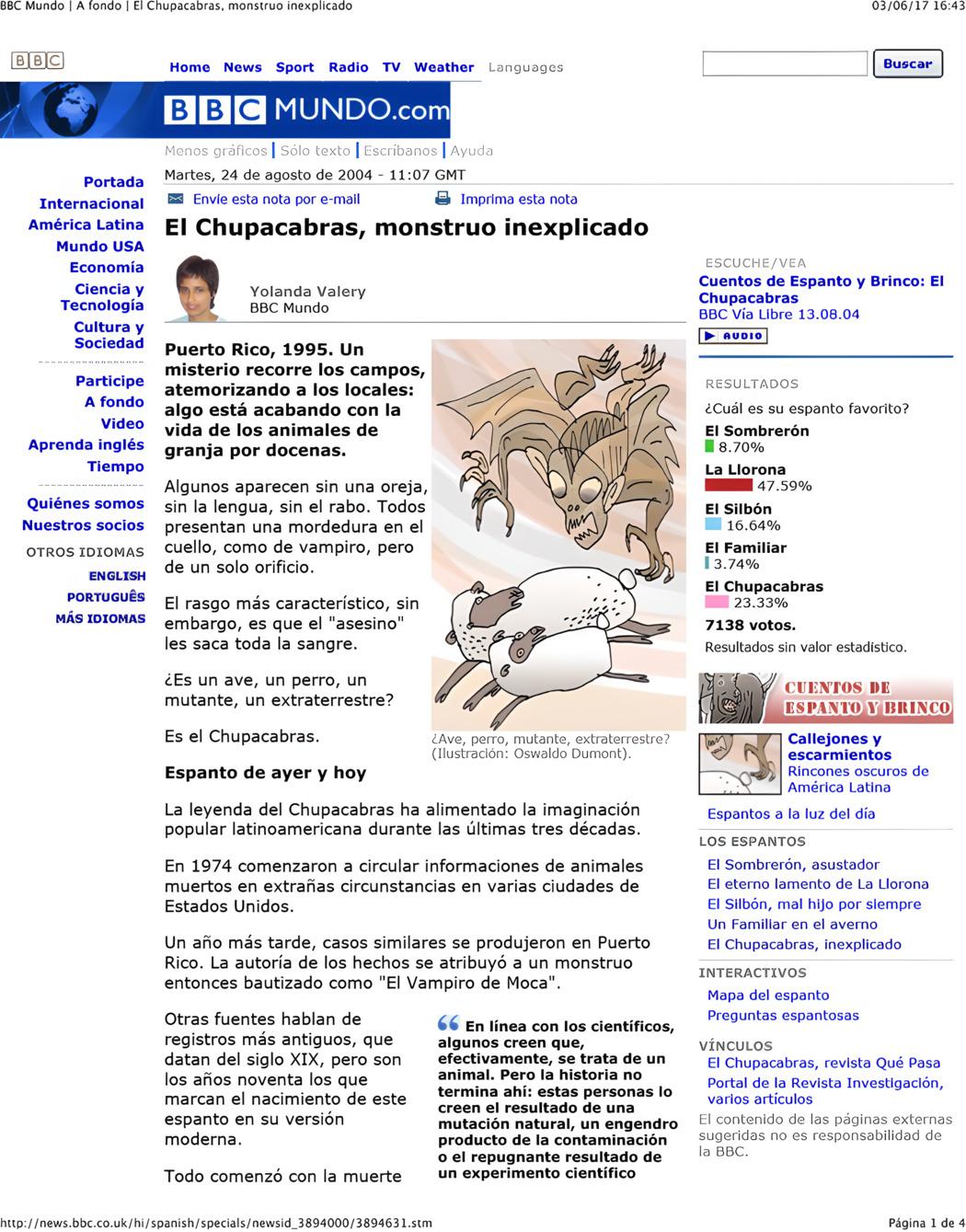
Working for the newspaper for so many years taught me to think and generate ideas quickly and precisely, adapting to the ever-changing nature of national politics in my country, Venezuela, where a new chapter in the country’s events was written every day. But it wasn’t all smooth sailing; the censorship imposed by the government’s dictatorial regime and the laws created at that time made defining the illustration I had to create an uphill battle. I often faced creative blocks that forced me to pause, breathe, and go for a walk, before once again confronting the news event as captured in the newspaper’s articles.
 Oswaldo Dumont | El Chupacabras, monstruo inexplicado
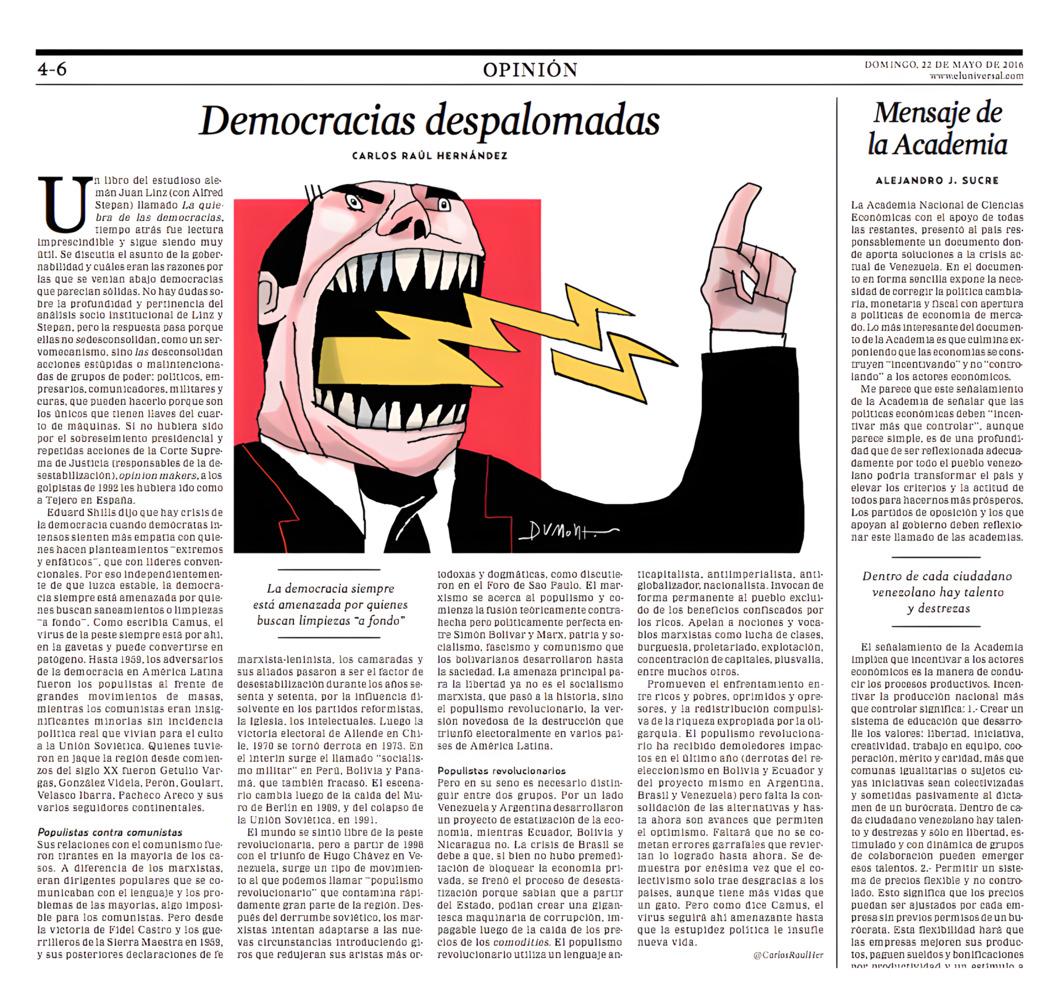
Editorial illustration requires reacting quickly to complex political and social issues. What was the most challenging topic you ever had to visually interpret?
I think the most difficult subject I ever had to interpret visually were undoubtedly the opinion and politics articles, as I had to be very careful with direct criticism. I had to find a creative alternative to soften it without making too much noise. Over time, that graphic language developed, as it was a situation that could somehow become dangerous for me and for my career.
 Oswaldo Dumont | IESA INSTAGRAM
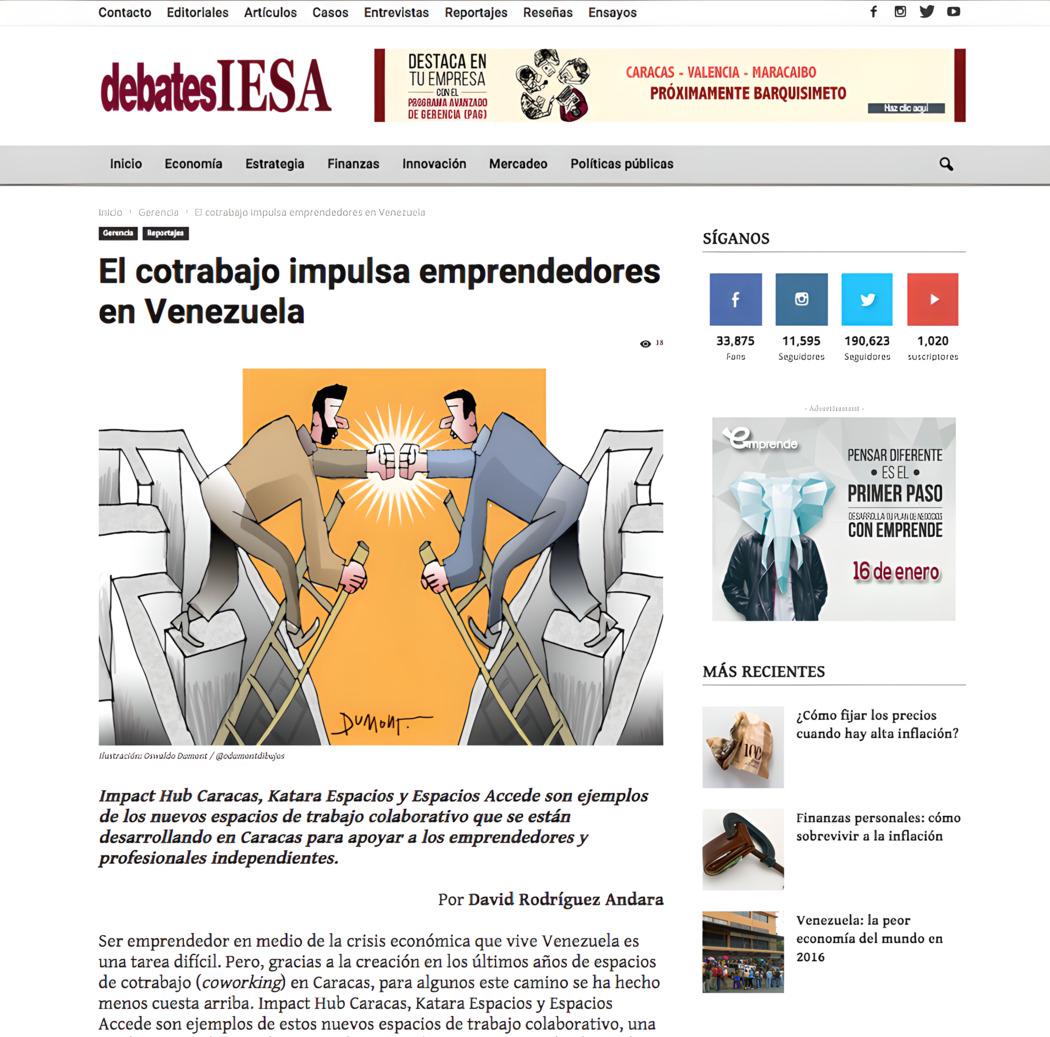
Many of your works blend satire, symbolism, and bold visual metaphors. How do you approach translating abstract ideas into striking images?
Symbolism is a very important part of daily life when creating an illustration. Trying to play with different options until reaching a solution is part of that work. Hours of sketching, good and bad ideas, trial and error gradually shape the final design. Suddenly it moves from abstract to figurative; you observe and evaluate, you set it aside for a while, you pick it up again, and you receive ideas in motion, adding positive values to the final piece.
 Oswaldo Dumont | Opinion demo
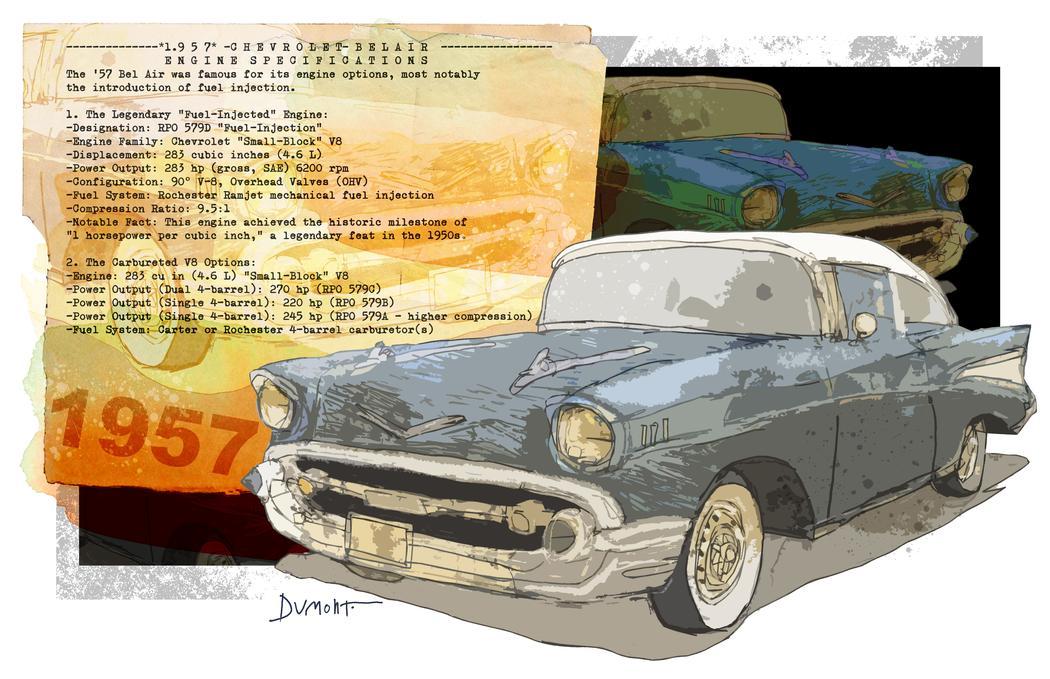
Your automotive and historical illustrations show a different narrative tone compared to your political work. How do you shift between these visual languages?
I have loved muscle cars since I was a teenager, with their robust shapes and powerful engines filling my soul with excitement. When I turned 20, I was fortunate enough to buy a 1974 Dodge Dart Sport GT. Over time, I was able to restore it completely—a task that required patience and a great deal of time invested. This illustrative work on classic and vintage cars is fresher and more fun; it’s my time to relax. The car’s linework and the use of watercolor backgrounds that I personally created and scanned, then brought to life through layers and filters in Photoshop—all for these beauties on wheels. Moving between these two visual languages is easy for me; although they operate on different levels, I enjoy both, and they are both part of my life as an artist.
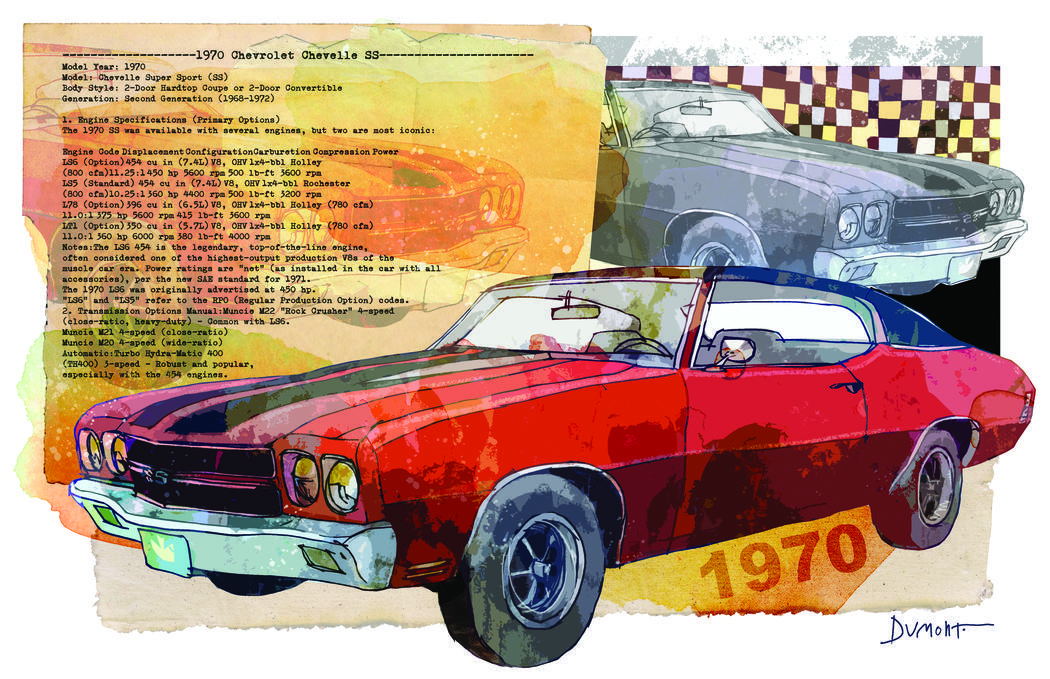 Oswaldo Dumont | Car
After decades in editorial illustration, what inspired you to transition into wearable art with DumontArtDesignsUS?
DumontArtDesignsUS was born because a designer friend sent me information about two platforms (Canva and KITTL). He told me that both could be connected to suppliers and it was very easy to create an online store, plus they worked with the print-on-demand model. Back in 1995, I worked for two years at a textile company Textiles GAMS in my country, where I was responsible for creating designs for children’s clothing prints. Without wasting time, I started researching a bit, watched several tutorials, and took some master classes. I thought, this resource is very interesting, and I decided to create my own store. I combine both without any problem.
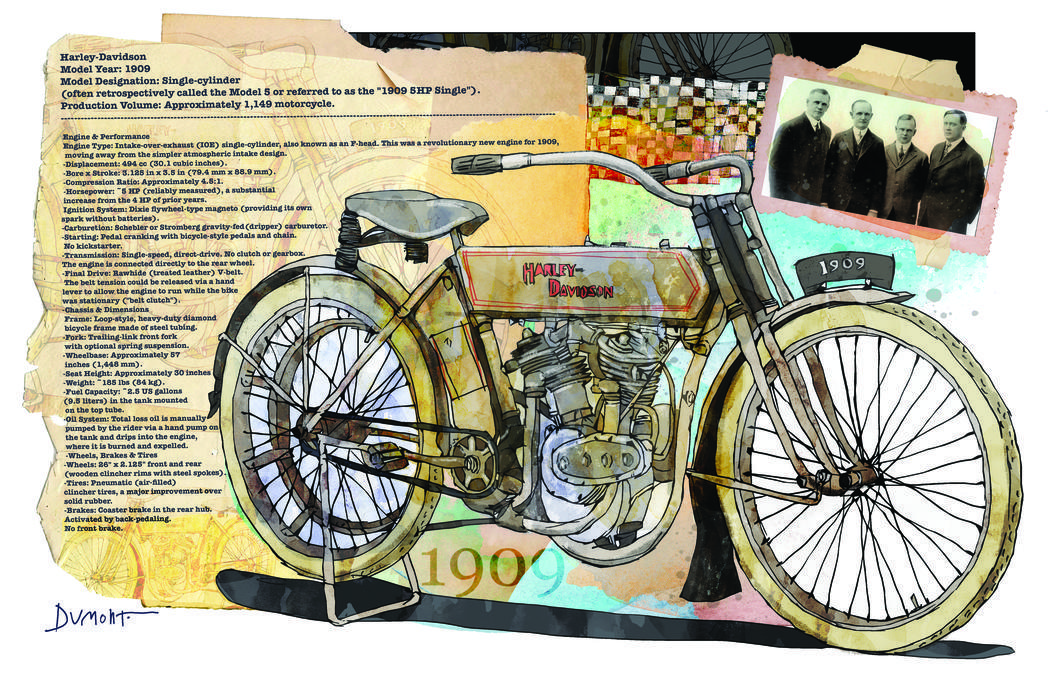 Oswaldo Dumont | HARLEY 1909
How has relocating to the United States influenced your creative direction and future ambitions?
I arrived in the United States in 2017. My work as an illustrator for the newspaper came to an end for many reasons, and my family and I had to make the decision to move to Utah. I have family who are members of the Mormon religion, and they received us and helped us greatly. This country, thank God, opened its doors to us, and I have realized that there are infinite possibilities in the field of illustration and design. As for my future ambitions, I have been working hard on them, learning new ways of creating, transitioning from analog to digital, combining both, maintaining a balanced artistic essence, and experimenting with new art forms for myself.
Leave a Reply
You must be logged in to post a comment.