
Wei Chen Lou
 Wei Chen Lou | To Feel
Your work focuses on the minuscule rather than the monumental. What first drew you to macro photography as a way of seeing the world?
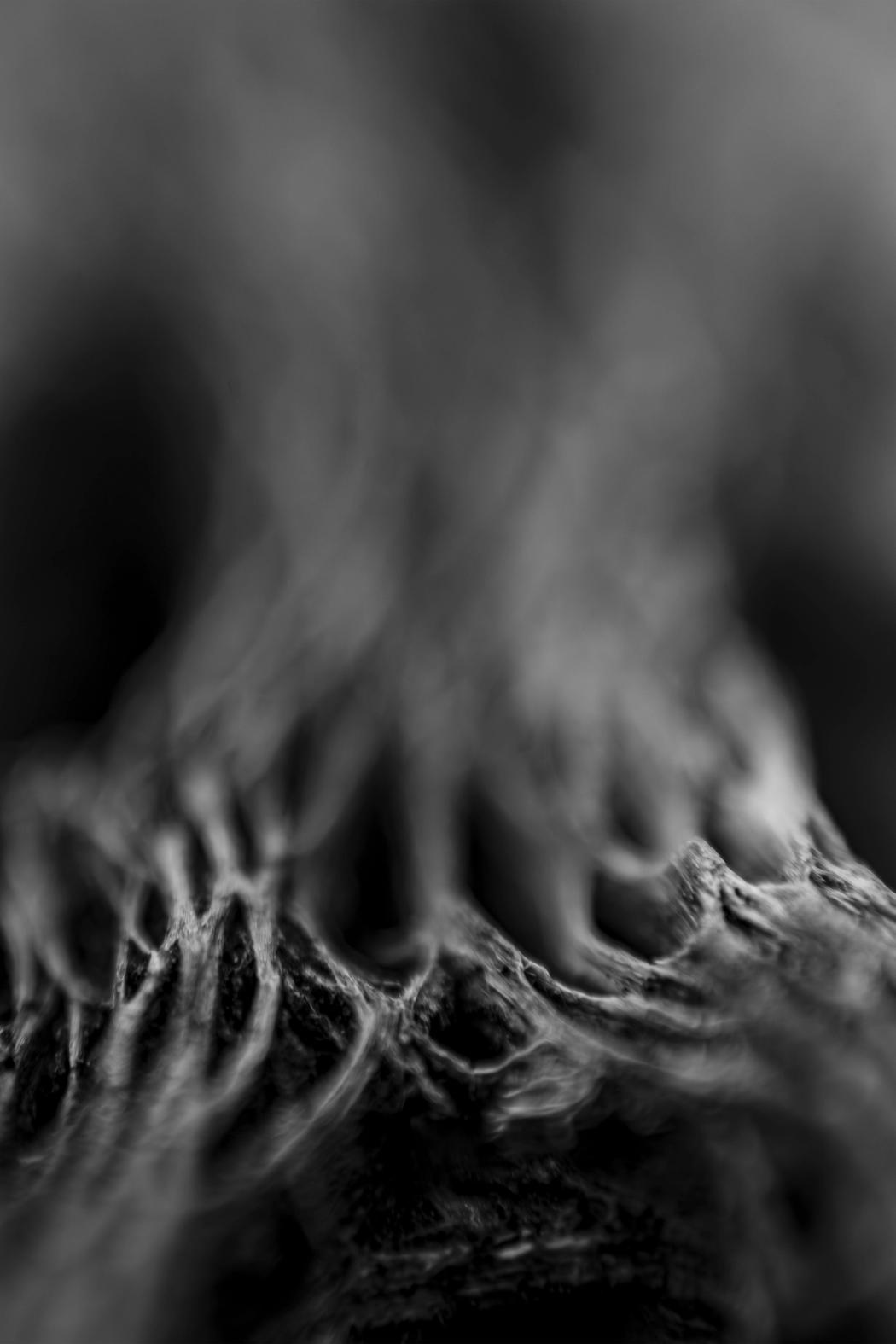
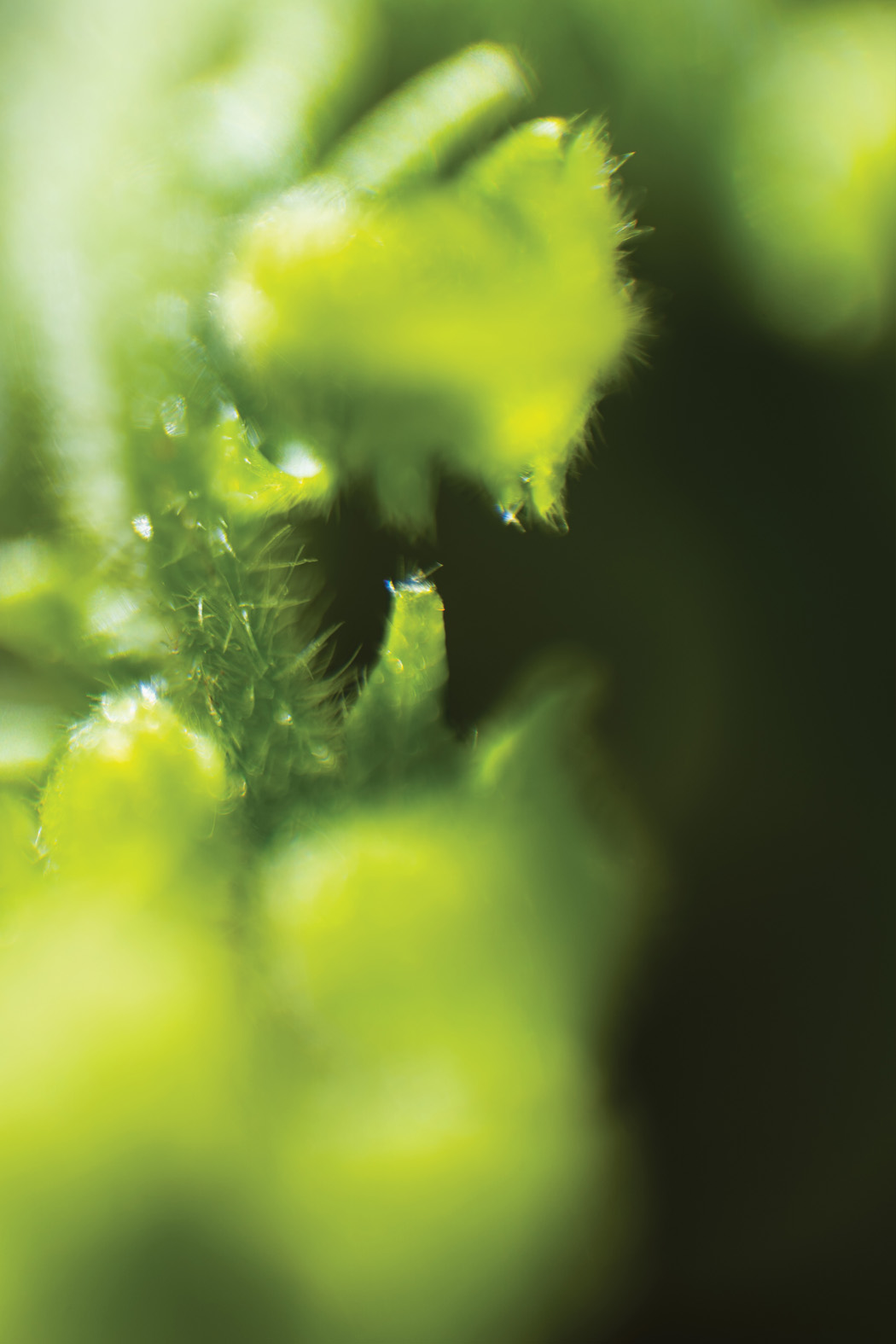
It began with a kind of quiet burnout: I’d spent years chasing life’s “grand narratives”, the milestones, the “purpose” we’re taught to prioritize, only to feel like I was grasping at smoke. The world felt loud, and my place in it felt smaller by the day. Then, on a hiking trail I was so familiar with, I picked up a macro lens and pointed it at the frayed edges of flowers and plants around me: the tiny, barbed fibers, the way they caught the diffused light like a constellation of minuscule stars. That’s when it clicked: macro photography isn’t just about magnifying the small—it’s about reorienting how we value it.
Those overlooked fragments (a thread, a crack in pavement, the fuzz on a leaf) aren’t footnotes to the “bigger picture”. They are the text itself. When I frame these details, I’m not just capturing a moment; I’m reclaiming a way of being: one where the tangled, unpolished, easily dismissed parts of life are the ones that hold our truest selves. For me, macro photography is an act of slowing down; it is a reminder that when the world feels overwhelming, the answers we’re chasing aren’t always in the monumental—they can also be found in the things we brush off our sleeves.
Growing up in Zimbabwe, how did your early environment shape your sensitivity to nature, texture, and quiet forms of beauty?
Growing up in Zimbabwe, nature wasn’t just a backdrop. It was my first language. Without the overwhelming amount of screens and noises, I learned to read the world through texture and colors: the rough, sun-baked grain of baobab bark, the vibrant fuzz on the back of a cheetah, the way dust and light tangled through the foliage on the safari. I wasn’t just watching; I was leaning in, letting those quiet, unscripted details seep into how I see beauty, less as something to admire and more as something to meet. When I first picked up my camera, that instinct shifted. I stopped just observing and started translating, turning the soft, unspoken weight of those moments into images that hold the feeling of being rooted in something bigger than noise. My work isn’t just a documentation; it’s my way of immortalizing the quiet, living language I learned before words.
 Wei Chen Lou | Study
In “Sublimity in Focus”, you describe the filaments as a metaphor for life itself. At what moment did these abstract forms begin to feel symbolic rather than purely visual?
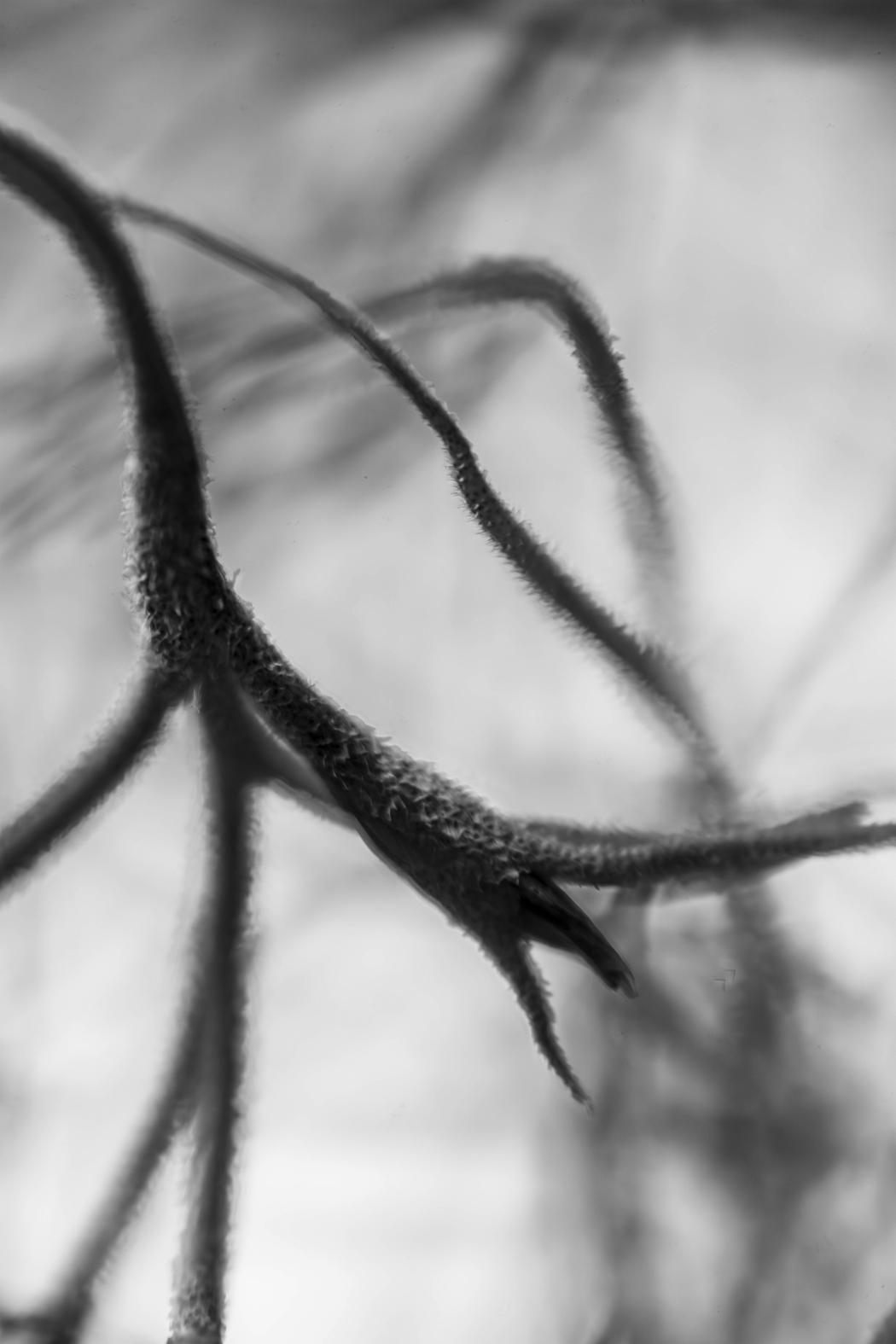
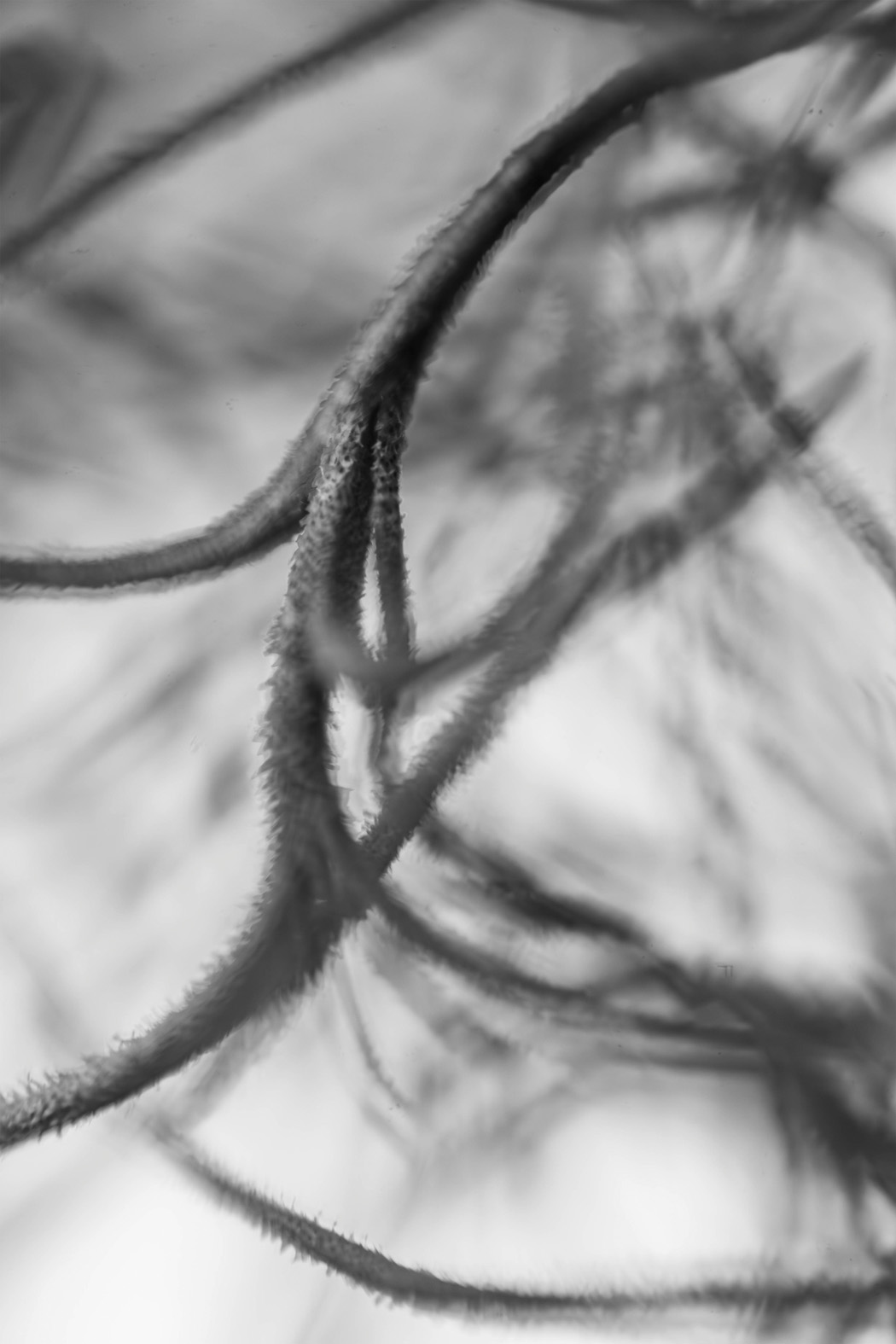
It happened on a day I had almost written off as “uninspired.” I was kneeling in the field, adjusting my lens to shoot a clump of dried, tangled plant fibers, something I’d initially seen as just a jumble of texture, a play of light and shadow. But as I inched closer, the lens sharpened: one filament curved, another frayed, a third looped gently around the first, like a quiet collaboration.
In that moment, they stopped being “fibers.” They looked like us—messy, connected, fragile in the best way. The ones that bent instead of breaking? A reminder of resilience. The way they wove together, even when some stood apart? It was the beauty of community. It wasn’t just a visual; it was a story—one I’d been trying to tell without words.
That’s when I realized photography doesn’t just show me the small. It lets the small speak—about life, about us, about the quiet truths we miss when we’re too busy chasing the “big.” That frame became less about what I saw, and more about what it taught me.
 Wei Chen Lou | Study
Your images feel suspended between abstraction and realism. How important is it for you that the viewer recognizes the subject—or is ambiguity essential?
Ambiguity is the bridge, not the barrier. I don’t want viewers to fixate on “what” it is, whether a thread, a petal, a sliver of bark, because that’s where the magic fades. Letting the subject hover between recognition and mystery mirrors how we experience life: we rarely see ourselves, or each other, in sharp, unblurred focus. We’re all a little abstract, a little unnameable, and that’s where connection lives.
If someone looks at these filaments and sees a memory, a feeling, or a piece of themselves they can’t quite put into words? That’s the point. Recognition would box it in. Ambiguity sets it free, letting the image be whatever the viewer needs it to be, in that moment.
 Wei Chen Lou | Dance
You speak about urban noise and distraction. Is this series a form of resistance to that environment, or a way of surviving within it?
This series isn’t about waging war against the urban noise and its ceaseless distractions. Resistance implies a futile battle against an ever-encroaching tide. Instead, it offers a new prism through which we can view our existence. We’ve all tried to shield ourselves with gadgets and routines, only to find those distractions seeping back in, like water through a leaky dam.
The series aims to illuminate a path towards living fully in the midst of this chaos. It’s about finding beauty, purpose, and meaning in the small, overlooked corners, even as the world around us clamors for attention. It’s a way of saying that we don’t have to escape the urban environment to thrive; we can carve out our own spaces of tranquility and discovery within it. By focusing on the minuscule, we can create a counter-rhythm, a quiet pulse that keeps us centered and connected to what truly matters, allowing us to co-exist with distractions without being consumed by them.
How do you balance technical precision with emotional intuition when photographing something so fragile and fleeting?
Technical precision is the safety net. It ensures that the image I capture is sharp, well-lit, and composed in a way that does justice to the subject. But it’s the emotional intuition that breathes life into that technical framework.
It all begins with respect. When I approach a subject, whether it’s an elephant wading through the water, or a flower blooming in the red sand desert, I’m acutely aware of its transient nature. I see myself not as an outsider taking a picture, but as a participant in a moment. This emotional connection allows me to anticipate the perfect instant to click the shutter, to sense when the light will hit just right, or when the subject will reveal its most vulnerable and beautiful self.
Technical precision comes into play when I adjust the aperture to control the depth of field, ensuring that the subject stands out while maintaining a dreamy, soft background that echoes its fleeting quality. Or when I fine-tune the ISO to capture the right amount of light without introducing too much noise, because these fragile subjects deserve a clean, unblemished representation. But I never let the technical aspects overshadow the emotional core. The camera settings are tools, not the blueprint. They’re there to help me translate the feelings I have in that moment into a tangible image that can evoke the same sense of wonder and connection in the viewer. In this way, technical precision and emotional intuition work in harmony, each enhancing the other to capture the essence of these delicate, passing moments.
 Wei Chen Lou | Dance
Do you see macro photography as a political or philosophical act—an insistence on paying attention where society usually doesn’t?
Macro photography, for me, isn’t about making a political statement in the traditional sense. It’s not about rallying for a particular policy or ideology. However, it is deeply philosophical. In a world that often rushes towards the grand and the obvious, focusing on the minuscule is a conscious choice. It’s a nudge to society to slow down and look closer.
Photography is indeed a mirror of the photographer’s mind. With this macro series, I’m inviting viewers to engage in self – reflection. We’re so often caught up in the big picture of life, chasing after goals and societal expectations, that we overlook the small, individual elements that shape our identities. These details are like the building blocks of our existence. By highlighting them, I’m suggesting that true understanding and self-awareness can be found in the overlooked. It’s a stance that says our worth and uniqueness aren’t defined solely by the broad strokes of our lives, but also by the intricate, often unnoticed details that make up our daily experiences.
So, while it may not be political, it is a philosophical statement about the importance of paying attention to the overlooked aspects of ourselves and the world around us.
Leave a Reply
You must be logged in to post a comment.