
Irina Komarova
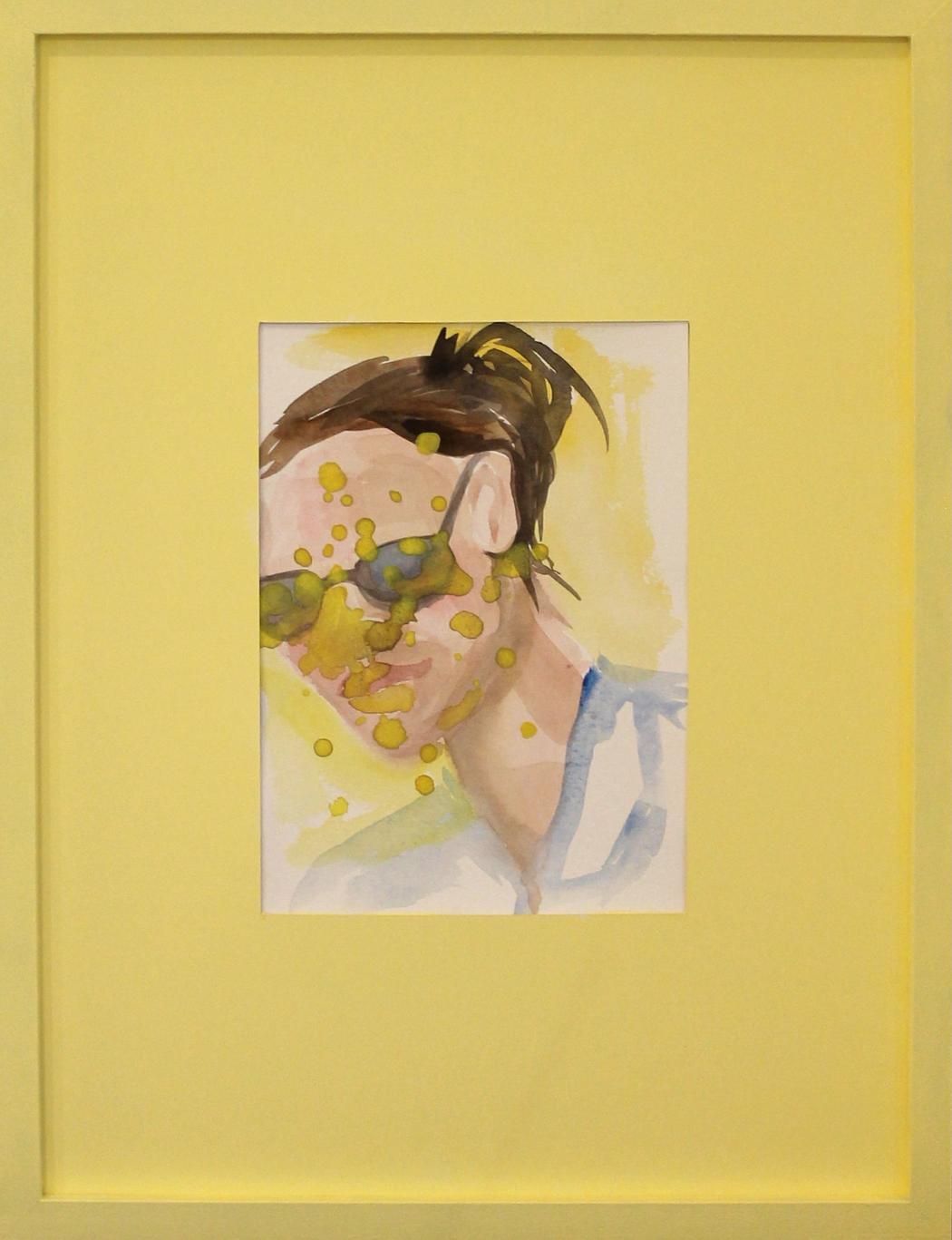
You were born in Korolyov and work in Moscow. Which moments from your early life and the environment you grew up in have most influenced your formation and visual language?
My first teacher and true friend was the monumental artist Ulyana Marinina. She undoubtedly influenced my development as an artist and shaped my visual language. I sincerely consider that period to be one of the happiest in my life.
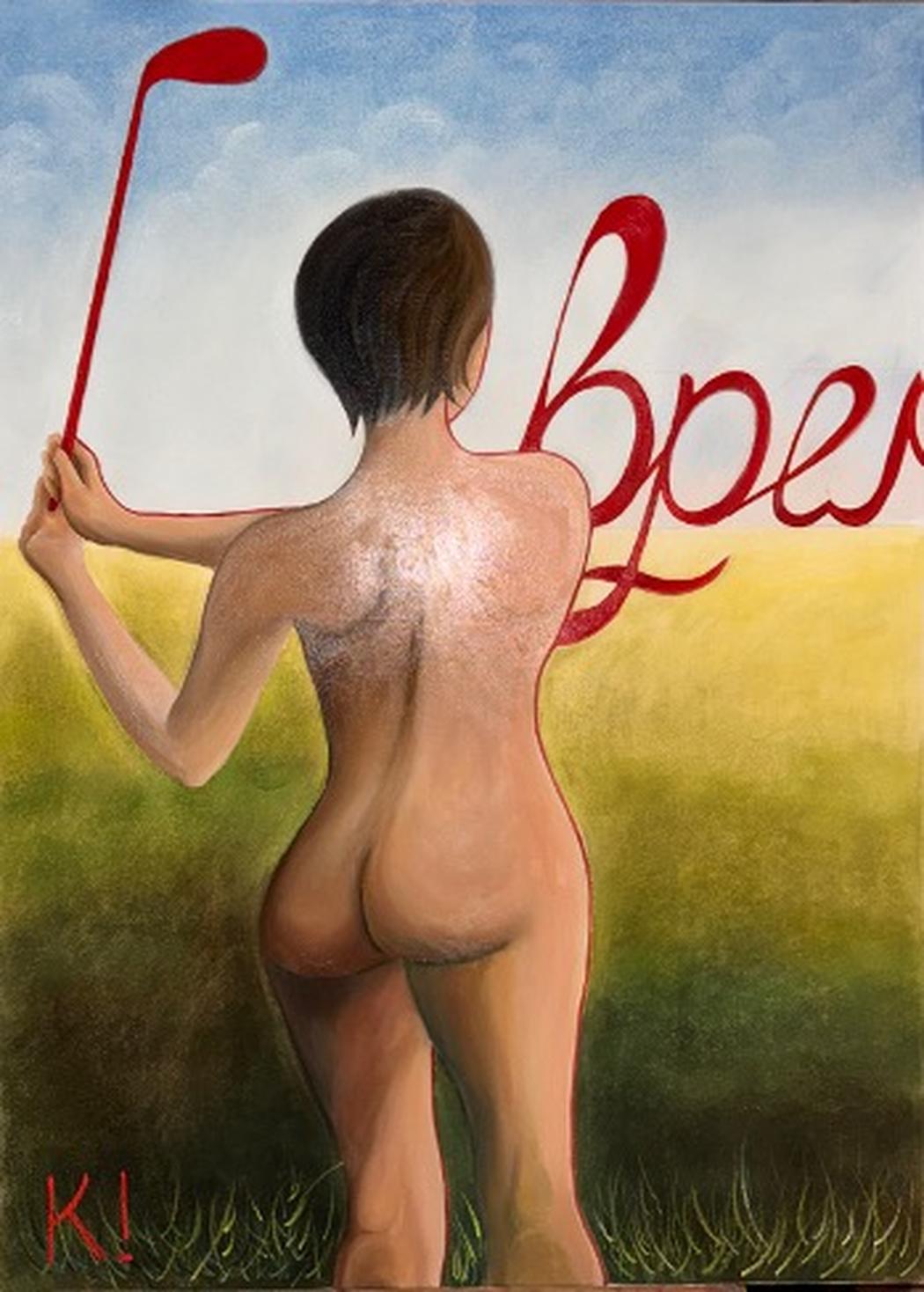
Your work is rooted in the aesthetics of post-Soviet realism. What aspects of this cultural code are important for you to preserve, and which ones do you aim to reinterpret?
It is important for me to preserve the color, the light, and the person — to convey their inner story. For me, this period has always been about a “small life” within great changes. I don’t romanticize this code, which is why I inevitably shift the focus from the collective story to the individual one.
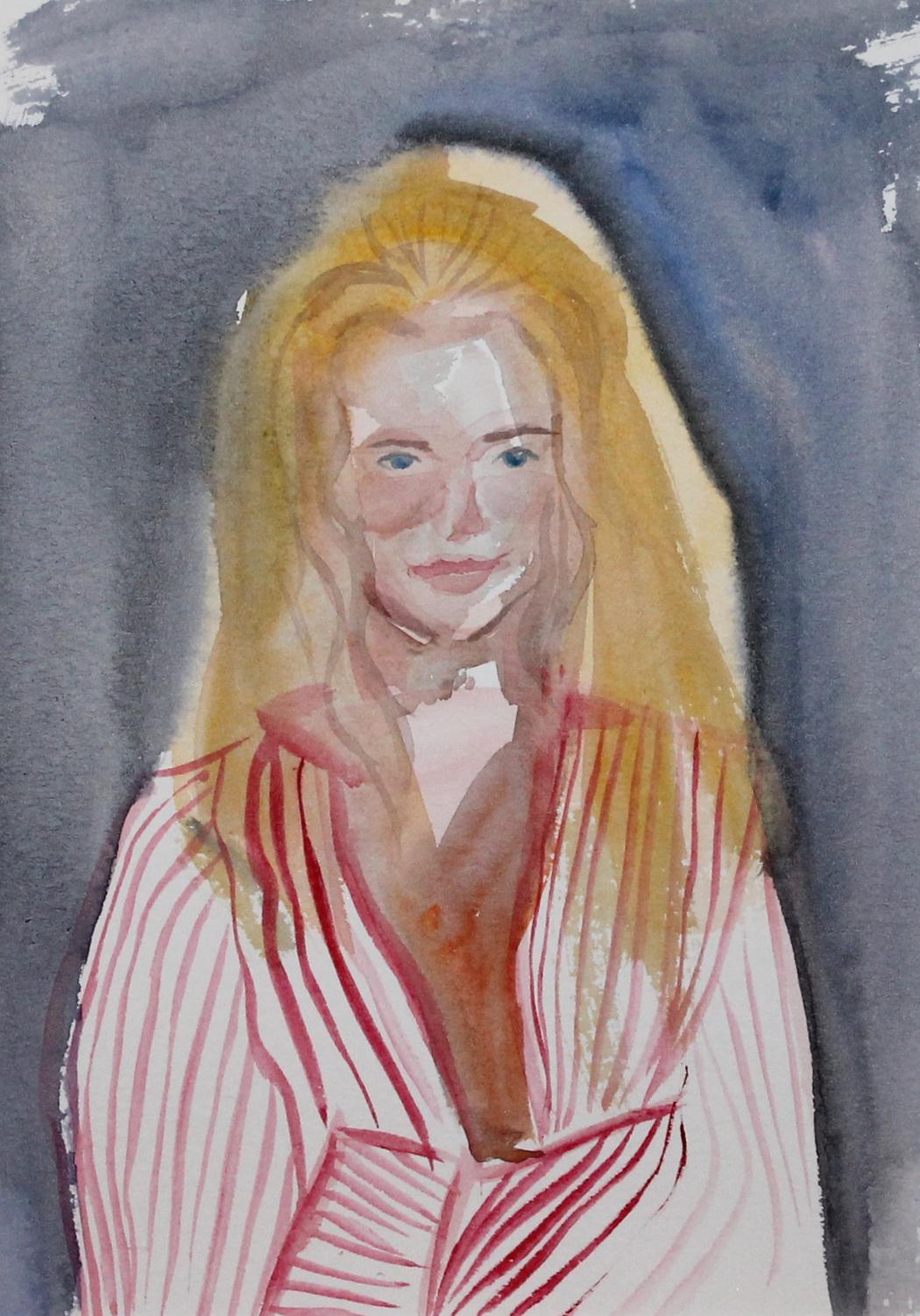
The Home series is very personal and intimate, connected to the feeling of belonging and having a “place of one’s own.” How do you find a visual language for such quiet yet significant memories?
There comes a moment when I clearly understand that I must. I must express my gratitude to the Home. And this thought will not let me go until the series is completed. I simply do what I cannot not do.
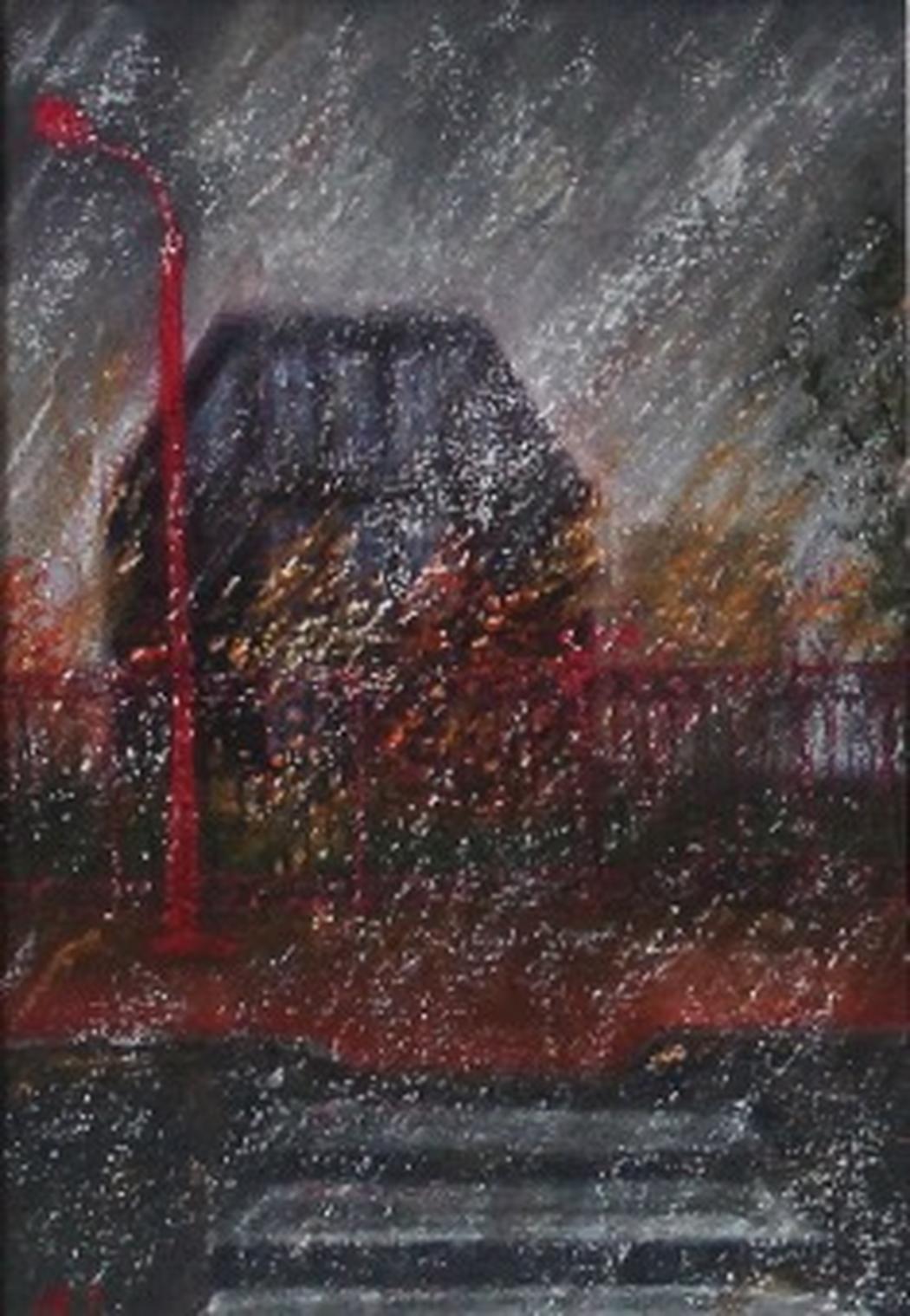
The portraits from the yacht trip observe people in a confined space and in unusual conditions. What was the most unexpected thing you discovered about human character during those seven days?
Overall, the journey turned out to be candid and transformative. I found myself more in the role of an observer, and perhaps that’s why I noticed something interesting — many people are very “wrapped up” in themselves and look at the world from that state. But what’s even more surprising is that, despite this, people still come together, form couples and families. It seems paradoxical — something that should be incompatible with shared life somehow becomes a kind of glue.
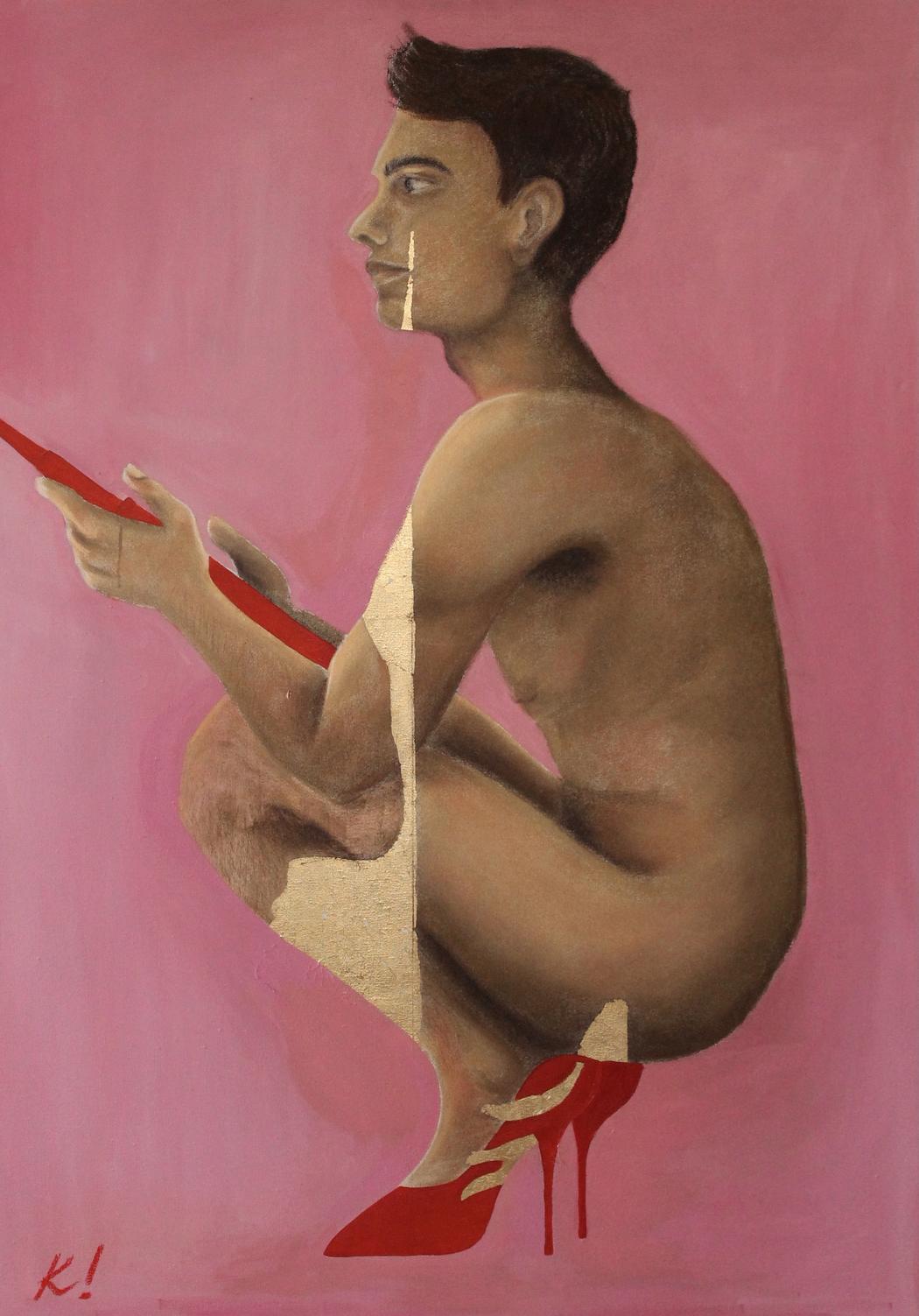
Your major projects, such as Time Stopped and The Suffering of a Russian Woman, address difficult social and existential themes. How do you find the balance between personal emotion and a universal visual statement?
It so happens that I prepare for large projects very thoroughly, first and foremost on an emotional level. I understand that I act as a transmitter, and I deliberately avoid overly literal imagery (for example, a nuclear mushroom cloud in the “Time Stopped” project). The longest stage is thinking through the theme as a whole — placing myself in the position of my characters; I need to feel their lives and see through their eyes. When that happens, I immediately see the finished image of the artwork, and all that remains is to bring it to life.
In 2020, your works became the foundation for a MAD DAISY capsule collection and were presented at Mercedes-Benz Fashion Week. How do you perceive the interaction between art and fashion? What did this collaboration give you?
I am drawn to moments where art becomes a source of inspiration for design and fashion — especially when this influence can be traced in the silhouettes and visual language of an entire collection. It was certainly very gratifying to see my painting transformed into prints on clothing, to meet women wearing these pieces on the street, and to talk with them about why they chose that particular item for their wardrobe. However, at this stage, even my own tastes have shifted, and this stylistic approach has moved slightly into the background for me. Still, in the MAD DAISY collection it felt appropriate — it served as a kind of manifesto. Above all, this collaboration gave me immense confidence and became the first vivid acknowledgment of me as an artist.
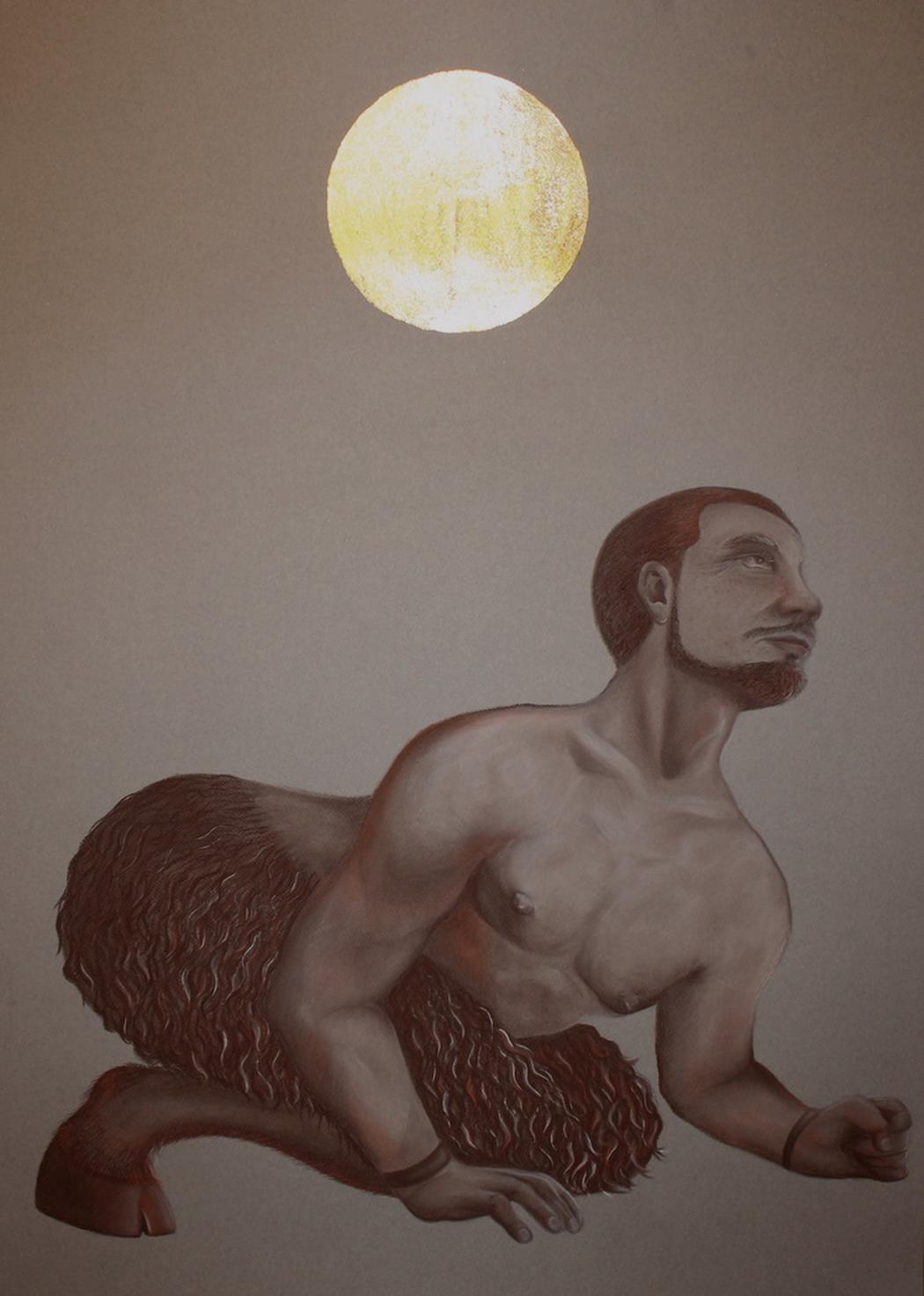
How do you envision your development in the coming years? Are there themes or formats you would like to explore more deeply or try for the first time?
I would like to move toward a deeper exploration of European culture and transform my visual language in line with this search. At the moment, I am drawn to themes of true love and the changes taking place in society. In this context, I am planning to start a project called “From 30 to 20” — in simple terms, it is what I, at thirty, would like to say to my twenty-year-old self. And this raises many questions: what exactly should be conveyed, and how can it be done in a way that preserves meaning and experience in a rapidly changing world?
Leave a Reply
You must be logged in to post a comment.